Welcome to Cherry Times





The Chilean cherry industry has left behind its phase of “naive” expansion, with all due respect, and has entered a phase of forced maturity. For more than a decade, the sector grew thanks to the expansion of planted areas, improved productivity, a privileged market window, and a Chinese market willing to pay high prices for a rare, sought-after, and seasonal product. This scenario was real, profitable, and transformed the Chilean cherry industry.
Today, we consider volume with particular attention to quality, driven by technology and professionalization, navigating a sector that boasts global leadership. However, beneath this melody, a different note can be heard: it is no longer about harvesting more and more, but about growing precisely the fruit that the market wants to value. This subtle difference, although it may seem like a mere nuance, profoundly transforms the rhythm and meaning of this new era. Because when the market stops forgiving, the orchard can no longer be managed through simplifications, but with a necessary and mandatory approach.
The current importance of Chilean cherries is mainly due to their export-oriented focus. Chile has been able to take advantage of its season to supply the Northern Hemisphere during the off-season, especially in periods of high demand such as Chinese New Year. This coincidence transformed Chilean cherries into a strategic crop beyond their natural conditions.
Subsequently, new rootstocks, improved varieties, more efficient training systems, optimized irrigation infrastructure, and the development of cover crops were introduced. In addition, advanced technologies were integrated, accompanied by rapid learning in technical management and considerably more sophisticated logistics. Significant progress was made in packing facilities, together with increasing professionalization throughout the entire value chain.
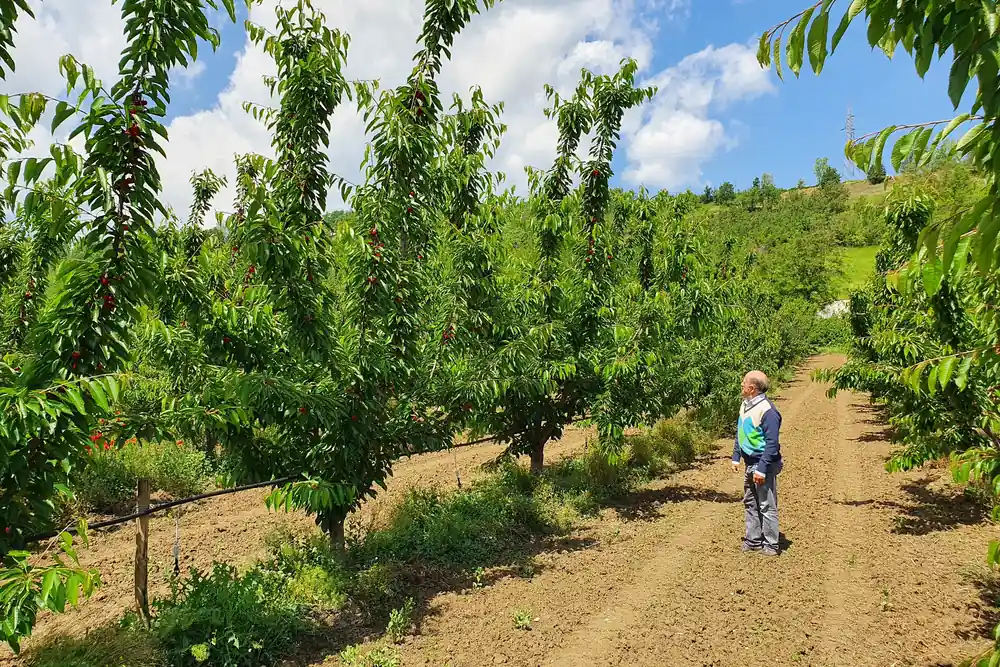 IMAGE 1 – Low multiaxis vase training system
As a result, the sector has recorded not only an increase in planted area, but also greater complexity, operational speed, and economic relevance. However, every mature sector reaches a point where growth alone ceases to be a valid justification. That point appears to have been reached. Is this surprising? Absolutely not. The Chilean cherry sector is not in decline; it is entering a phase of maturity and transparency. In high-value agriculture, this means that the mistakes that the market previously accepted or ignored are no longer tolerated.
In the initial phase of the business, the main focus was on planting, starting production, and capturing a valuable commercial opportunity. At that time, having fruit suitable for export was enough to achieve good results. Now, however, the situation has changed.
The new phase requires precision throughout the entire cycle, from dormancy to postharvest. It is no longer enough to set fruit, fill boxes, or harvest on time: it is now essential to achieve the right condition, quality, firmness, sweetness, color, stem freshness, size, and commercial uniformity.
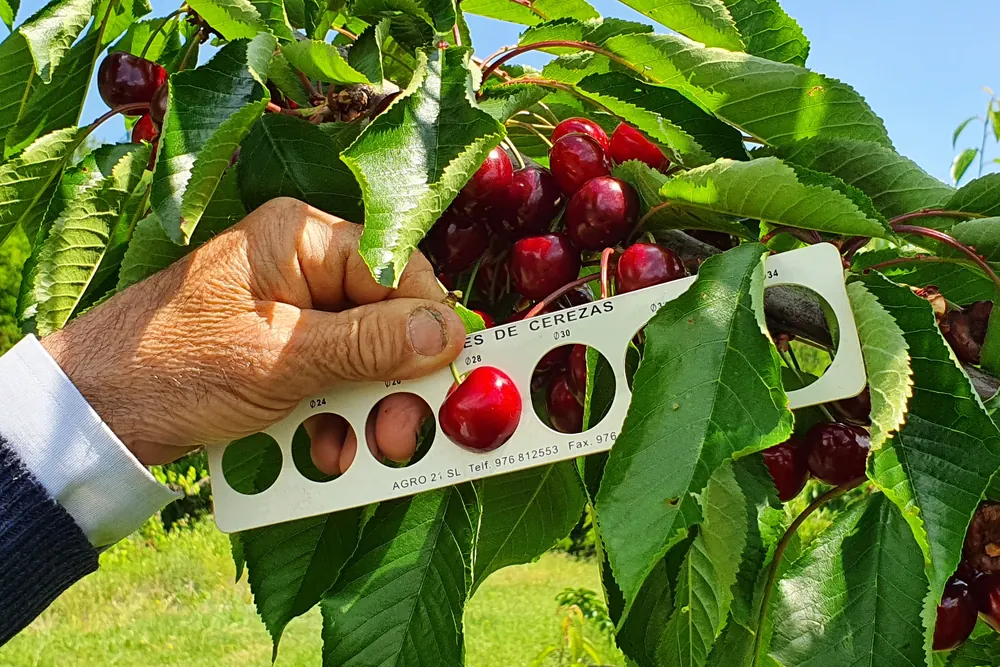 IMAGE 2 – Sweet Aryana, a new early-ripening cherry variety
This change is much deeper than is usually acknowledged. It requires a shift from generalist management to an approach focused on physiological, phenological, and varietal aspects, aligned with market objectives. In other words, the sector has moved away from the model of the “orchard that produces” and adopted the model of the “orchard that responds” to market demands.
China has been the main driver of the Chilean cherry business and continues to be so. Denying this would be both a technical and strategic mistake. However, the key point is to recognize that China is no longer a market that accepts any product without distinction; this change marks the beginning of a new phase.
Although the size of the Chinese market remains unmatched in the short term, it now requires quality and differentiated strategies. The increase in supply, domestic competition, the diversity of quality standards, and more demanding consumers have changed the rules.
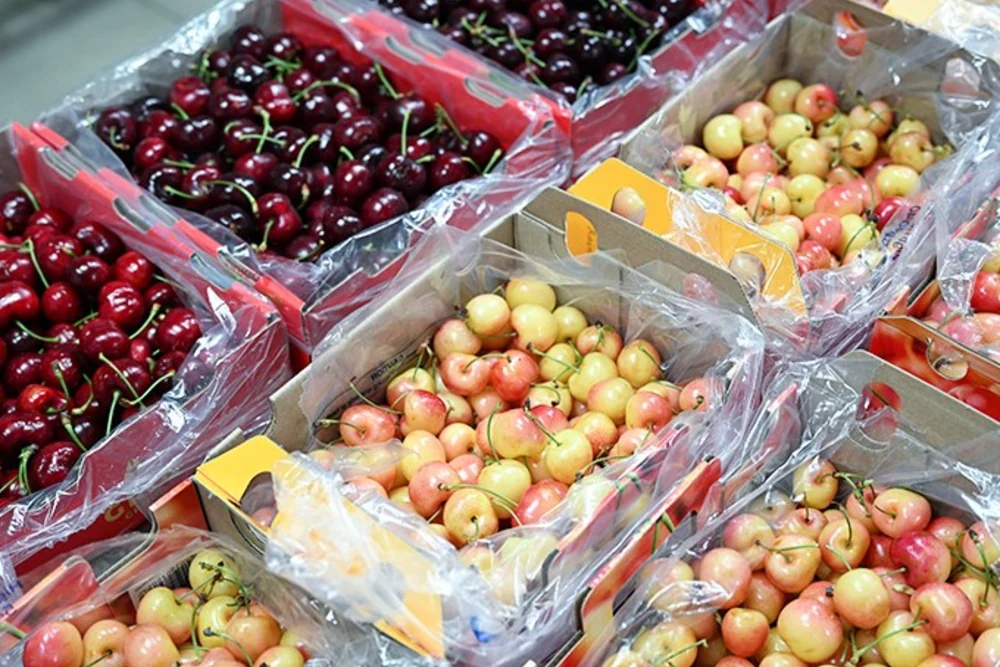 IMAGE 3 – Cherries in Chinese markets
If previously the objective was simply to access the market, today the challenge is to do so with excellence. When quality becomes the primary requirement for participation, the technical management of orchards must be completely transformed. An orchard focused exclusively on increasing production, at the expense of quality, risks compromising the final economic return. Conversely, an orchard that controls fruit load, correctly organizes the phenological cycle, ensures fruit firmness, effectively manages the harvest period, and understands how quality influences product performance at destination can achieve better economic results per kilogram exported, even while reaching high production volumes.
From a technical point of view, this is the core of the issue and, at the same time, the source of opportunity. The changes the sector is facing depend not only on the final destination, but are also defined within the orchard itself.
The new era of cherry growing is characterized by its physiological and technical approach. Decisions no longer depend so heavily on the calendar and require detailed observation of the orchard. Factors such as temperature accumulation, chilling hours, growing degree days, evapotranspiration (ET0), flowering stage, fruit set quality, pollinator activity, the behavior of each variety, stress index, and current plant conditions are much more closely linked to economic outcomes than many traditional management programs take into account.
The debate over fruit size remains relevant in the sector. The market consistently favors larger fruit with optimal presentation. However, considering size solely as a variable dependent on fruit quantity is insufficient and misleading. The sector has evolved, moving beyond the model of the “orchard that produces” and adopting that of the “orchard that responds” to market demands.
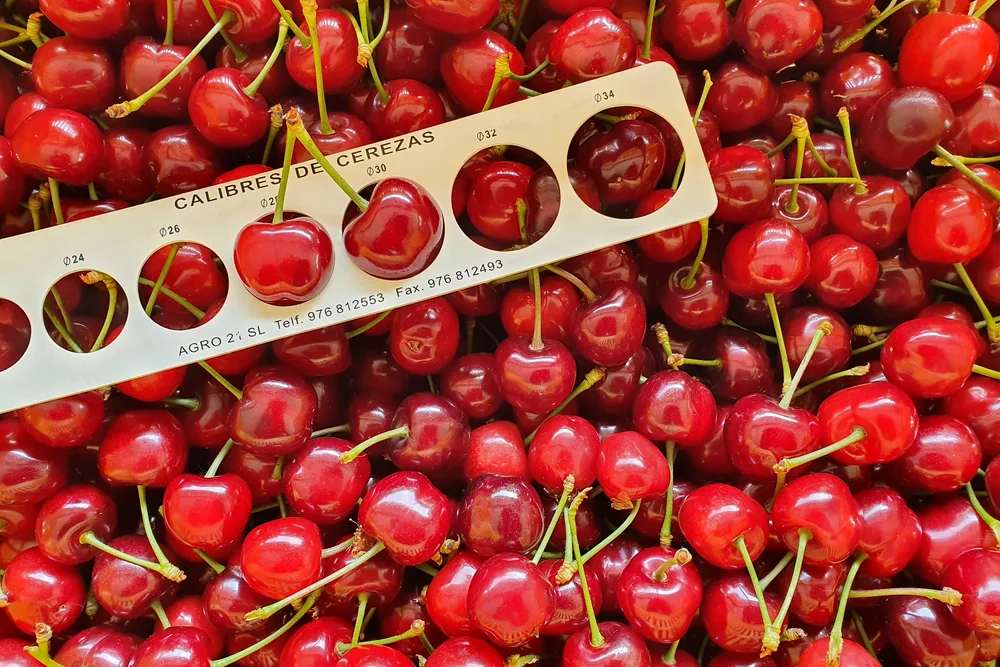 IMAGE 4 – The market favors large-caliber cherries
Final fruit size is a complex physiological construct that depends on factors such as the quality of fruiting wood and its fruiting centers, competition among them, water availability, photosynthetic activity, variety, the duration of fruit growth, and the tree’s ability to sustain the process during critical periods.
It is therefore essential to understand the precise moment when fruit size is defined. If stages I and III of the double sigmoid curve in cherry development concentrate the greatest potential for intervention, then irrigation management, fruit load regulation, adequate and timely nutrition, biostimulation, and hormonal strategies must be applied in a targeted way according to crop physiology, avoiding indiscriminate interventions.
Precise technical information goes beyond simply modifying a specific practice: it implies a change in the overall approach to orchard management. This approach concerns not only fruit size, but also other quality characteristics that must be considered simultaneously.
A significant change in this phase consists in understanding that the season does not end with harvest. In fact, although it has historically been managed in this way, the production process continues afterward.
The postharvest phase is a strategic component for reserves, fruiting centers, and preparation for the following season. Factors such as leaf persistence, nutritional status, reserve accumulation, late root activity, and tree recovery after harvest are integrated into the production system.
When the objective is to consistently maintain performance from one season to the next, postharvest management becomes a crucial agronomic investment rather than a secondary phase. Planning for the next crop begins immediately after the current one ends. In more mature sectors, this approach ceases to be a simple technical recommendation and becomes a fundamental requirement for competitiveness. Climate can no longer be considered a secondary variable. One aspect that is becoming increasingly important and will likely influence the future of cherry production is the interaction between climate, plant physiology, and productivity.
 IMAGE 5 – Cherry orchards must be managed properly even after harvest
In June 2025, the 10th International Cherry Symposium was held in Richland, Washington, USA. This quadrennial event brings together experts from different countries to analyze the cultivation of this species. The various studies presented agreed on one fundamental point: cherry trees are being grown under conditions of milder winters, less temperate springs, and much hotter and drier summers than usual. Clearly, this fruit tree is no longer in an optimal environment.
Recent weather reports show several recurring patterns: phenological advances due to rising temperatures, lack of uniformity in flowering and fruit set in some regions, rainfall during the most delicate development stages, signs of frost, an increase in phytosanitary problems, and variations in root activity compared with previous years. All this is not merely anecdotal, but represents structural evidence of change.
The sector is evolving from an approach based on historical averages toward a paradigm dominated by variability. Consequently, as variability increases, diagnosis becomes more relevant and strategically valuable.
At present, the Chilean cherry industry is undergoing at least eight fundamental transformations.
Chilean cherries maintain a prominent position thanks to their experience, market window, accumulated technical know-how, solid infrastructure, strong varietal base, and a sector that continues to set standards globally. Their technical expertise is remarkable.
However, current trends indicate that leadership will no longer depend solely on the quantity exported, but on the ability to guarantee quality and optimal condition in increasingly sophisticated and demanding markets. Opportunities do not disappear; they become more refined. Success will continue for those who produce uniform fruit, with competitive size, good flavor, firmness, efficient logistics, and an accurate assessment of the optimal harvest timing. But orchards without a clear vision, agronomic programs lacking a physiological foundation, and improvised decisions will have less room in this new scenario.
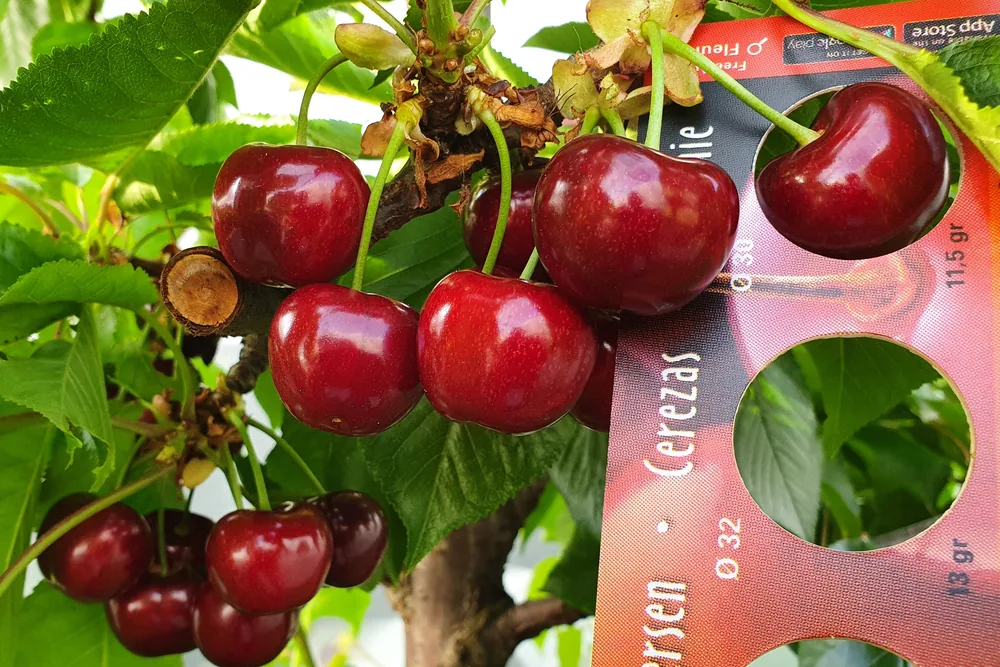 IMAGE 6 – Modern cherry growing must rely on agronomic programs aimed at quality
Therefore, I argue that the future of Chilean cherries will be defined by precision rather than expansion. Precision in interpreting phenological stages. Precision in understanding climate conditions. Precision in achieving size and quality where it is actually possible, before it is too late. Precision in carrying out technical operations. Accuracy in accepting that the sector is not the same anymore.
Perhaps this is the most authentic description of this new phase: Chilean cherries no longer seek only to be the first to arrive, but to stand out for their excellence once they reach the market.
Carlos Josè Tapia
Agronomist, MSc. Cherry production specialist
Founder and Technical Director of Avium SpA / Co-founder of SmartCherry.cl
Source: Vision Magazine
Image source: Stefano Lugli
Image 3 source: Emmi Laine, Yicai Global