Welcome to Cherry Times




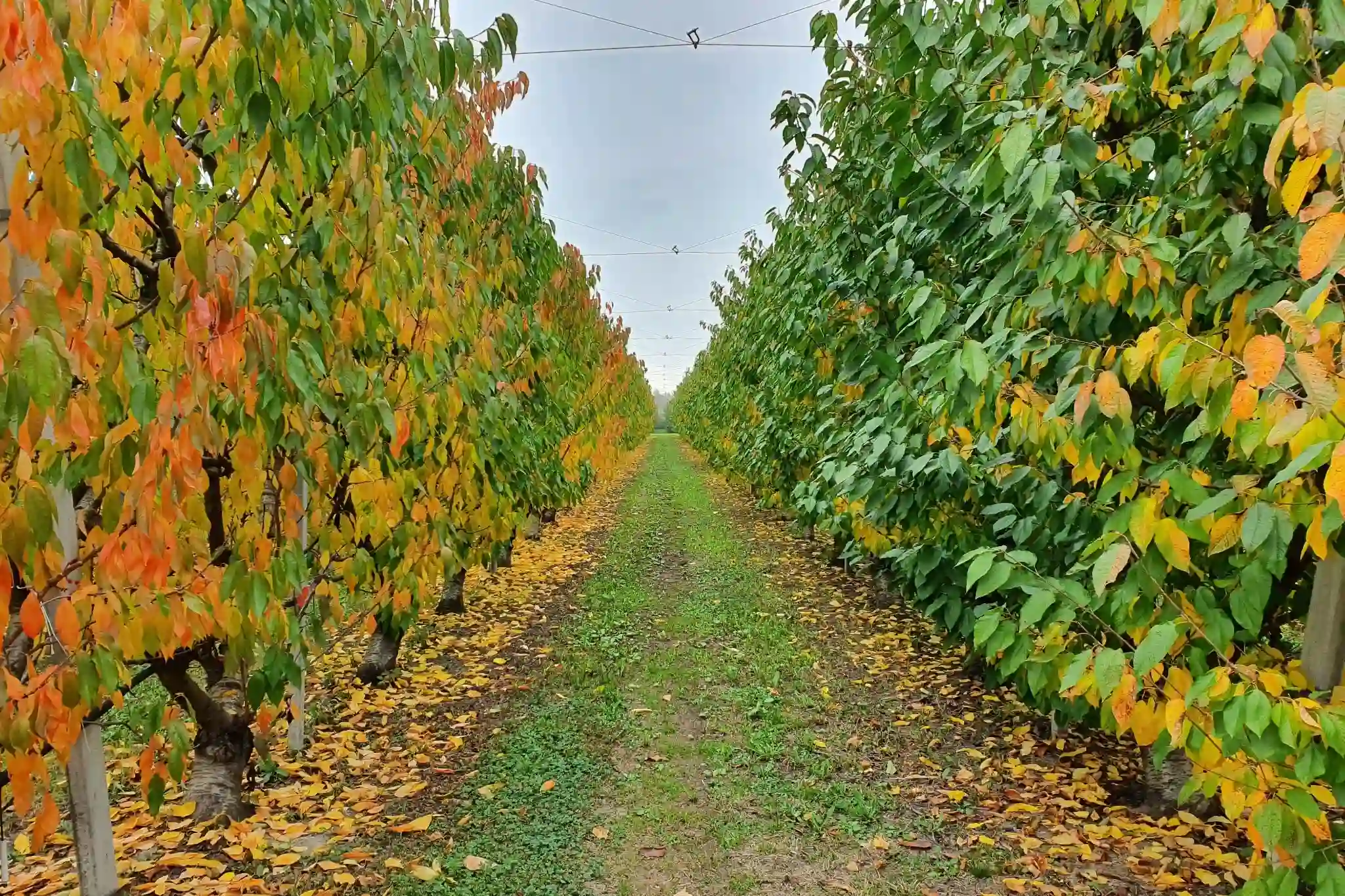 Image source: SL Fruit Service
Considering the ongoing climate changes and the experience of recent seasons, it is essential to prepare the plants for correct entry into dormancy in order to avoid problems in the following season.
This preparation begins with post-harvest management, which starts immediately after harvest has been completed.
Post-harvest management is the main strategy to ensure good flower bud return for the following season and therefore maintain stable production.
This is because orchards and their trees must maintain balanced vigor in order to achieve consistent yields.
In cherry production, this is the most critical period, since many physiological events take place that directly affect production in the following season.
The main objective of post-harvest management is to accumulate sufficient reserves for the next season.
These reserves should last until leaf fall (35 days after budbreak).
In addition, numerous physiological and phenological processes occur, such as bud induction and differentiation.
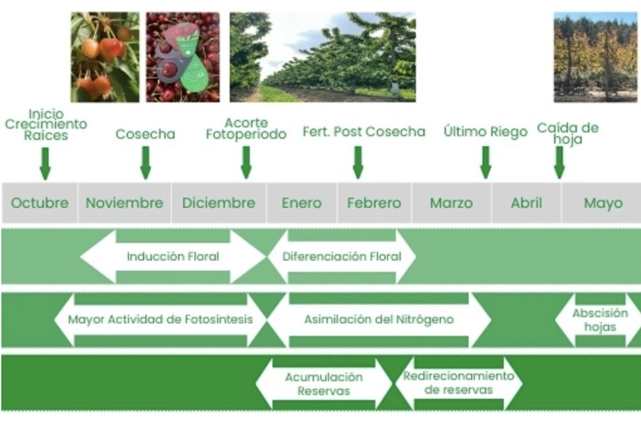 Image 1. Phenological stages and cherry tree physiology after harvest
Post-harvest period and photoperiod
It is important to remember that the post-harvest period begins when the last crate of cherries is picked from each orchard. It does not mark the end of the season, but rather the beginning of the next one.
It is without doubt the most important moment in cherry production.
The post-harvest period is when the fruiting centres (spurs) are formed and the return bloom for the following season is determined.
From 20 December onwards, the photoperiod shortens, interrupting vegetative growth, coinciding with the summer solstice.
The plants begin to lignify at the base of the current-season shoots. This is the first sign that they are preparing for winter dormancy.
This process is essential, as it allows the tissues to harden and resist low winter temperatures.
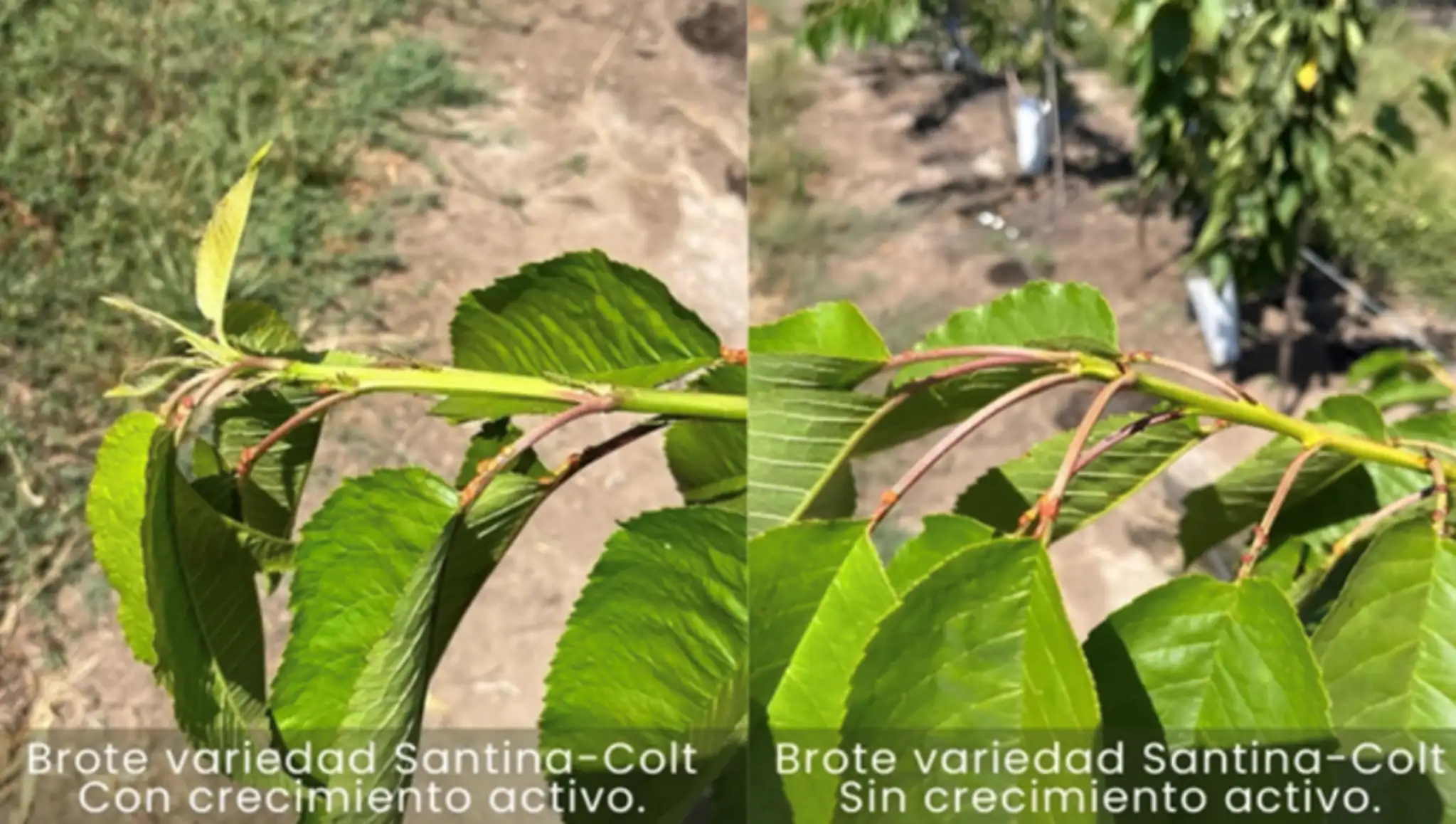 Image 2. Cherry shoots in active growth, left, and cherry shoots with vegetative growth completed, right.
Furthermore, if this process is delayed or does not occur in the plants, the accumulation of reserves is lower because the plants continue to consume carbohydrates assimilated through photosynthesis in order to sustain vegetative growth rather than store reserves for the following season.
Water generously to ensure good root oxygenation, which is essential for cooling and respiration.
Only the frequency of irrigation should be adjusted, not the duration.
During the post-harvest stage, irrigation is essential until leaf fall.
Never irrigate after 30 March and do not water again after that date.
Post-harvest fertilisation should begin immediately after harvest and continue until 25 February at the latest.
Adequate fertilisation adjusted to the seasonal yield is crucial, since this is the most important period for reserve formation.
To calculate post-harvest fertilisation needs, the actual orchard yield, variety and rootstock must be considered in order to correct the nutritional status of the soil according to real production and adjust nutrient inputs accordingly.
Correct post-harvest fertilisation is essential, since this is when the plant begins to accumulate reserves for the following season.
Heat stress occurs when plants are exposed to high levels of radiation, sunlight and heat over a prolonged period of time, which can permanently alter their ability to function and grow normally.
The ideal temperature range for cherry trees is between 20 °C and 26 °C.
Temperatures outside this range, both in the air and in the soil, by day or by night, are harmful to the plants.
Temperatures above 26 °C can cause several negative effects, such as stomatal closure, trichome loss, reduced photosynthetic activity and an increase in respiration rate that leads to tissue dehydration.
Exposing a plant to severe heat stress causes irreversible damage, therefore all preventive measures must be implemented in order to avoid symptoms caused by high temperatures.
In cherry trees, failure to mitigate heat stress can negatively affect post-harvest reserve accumulation due to reduced photosynthetic activity, hinder cooling and increase leaf and wood damage due to high UV exposure.
It can also disrupt physiological processes such as differentiation, resulting in the formation of double carpellate flowers which will produce double fruits in the following season.
Although the application of sunblock products and seaweed extracts is important to manage abiotic stress, correct irrigation management is fundamental, since these are the months with the highest water demand.
Irrigation timing and frequency must be adjusted according to reference evapotranspiration (Et0) and the crop coefficient (Kc), to supply the necessary amount of water and oxygen to meet crop demand and avoid water deficit periods that could trigger heat stress.
It is important to apply sunblock products before and after harvest to provide the plant with a physical barrier against UV radiation.
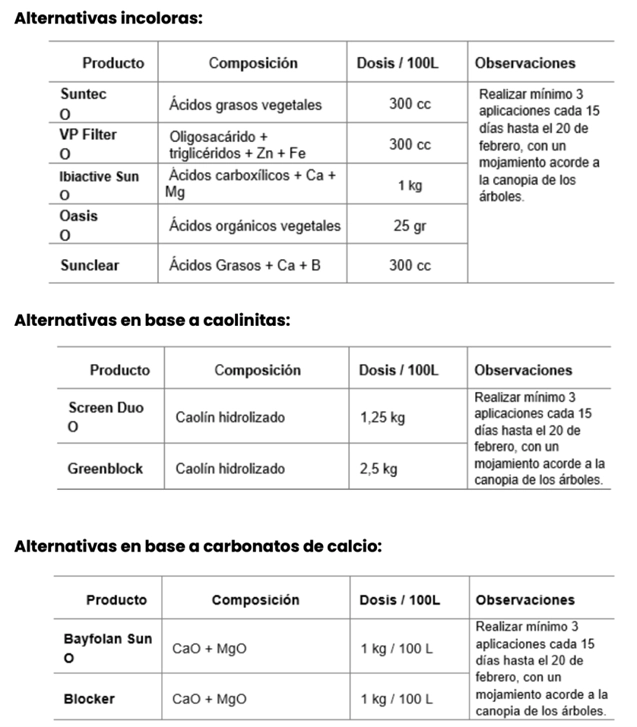
Sunblock applications should protect bud differentiation for at least 30–40 days after harvest.
Apply at least three times every 15 days to cover and protect tissue elongation, which reaches its highest growth rate during the hottest months of the year (January–February).
It is preferable to use colourless sunblock products, since kaolinite-based products hinder the movement of biological control agents of mites, increasing the risk of phytophagous mite infestations.
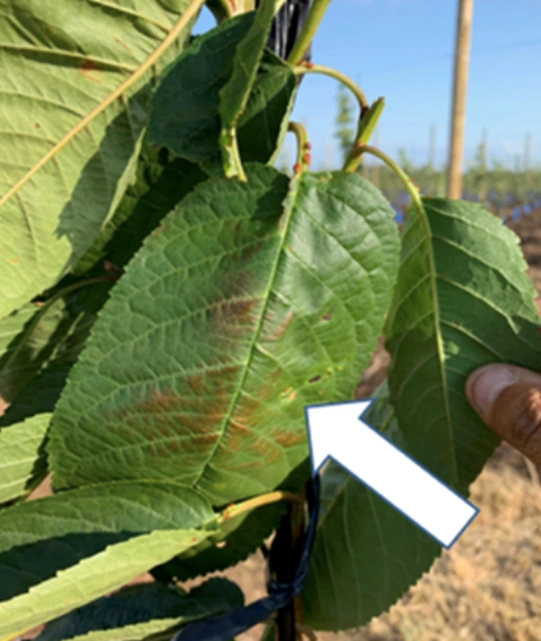 Image 3. Leaf tissue damage caused by heat stress
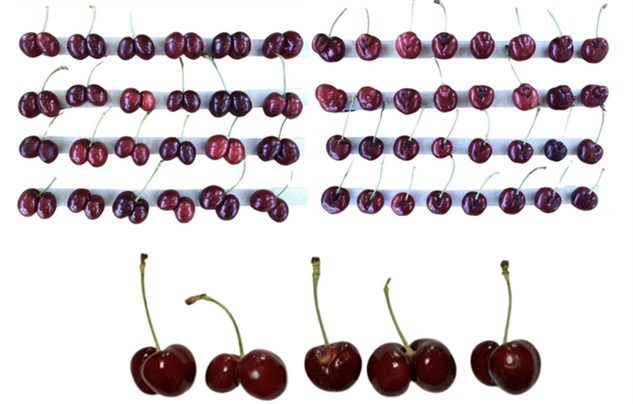 Image 4. Double or multiple fruits generated by heat stress during the floral differentiation period. Malformation and/or fruit formation from a double floral carpel during the bud induction period (January), caused by high temperatures and summer radiation combined with insufficient plant cooling capacity.
3. Control of bacterial and fungal diseases
Application of resistance inducers during the post-harvest period
In orchards exposed to high pressure from both bacterial and fungal diseases, apply products that activate the plant’s natural defence mechanisms.
Use any of the following alternatives.
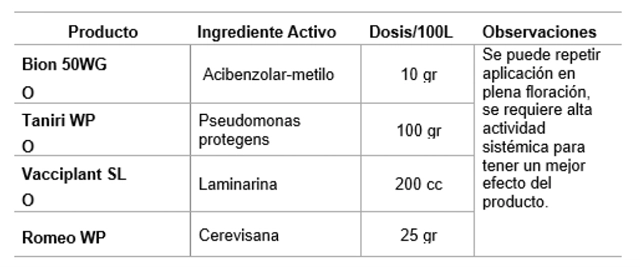
To keep the plant’s defence mechanisms active post-harvest, potassium phosphites may be used.
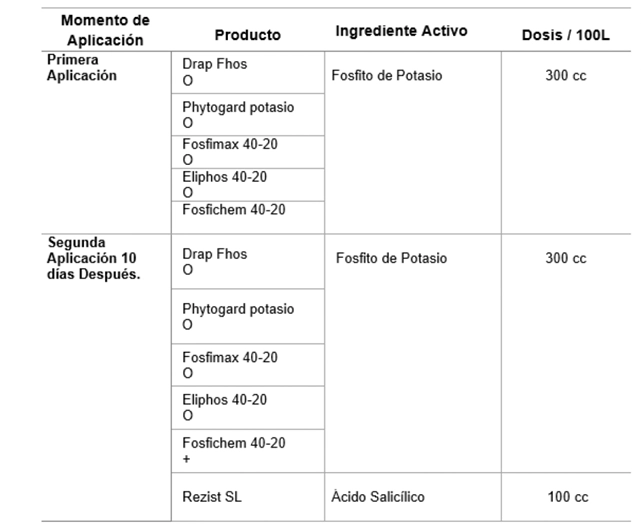
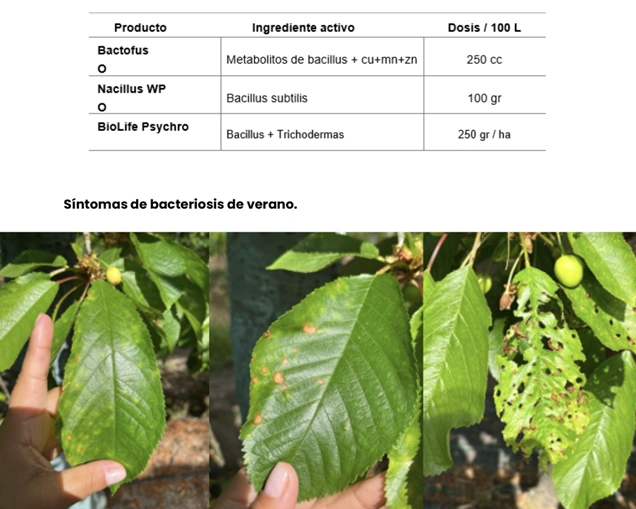
Bacterial canker control in spring and after harvest
This disease, caused by Pseudomonas syringae and S. syringae pv., is very common during cold springs and causes bud and leaf spotting.
To control bacterial canker, apply the following treatment immediately after harvest.
To control fungi that cause leaf and wood decay, apply a broad-spectrum fungicide in the early post-harvest phase. Use one of the following products.
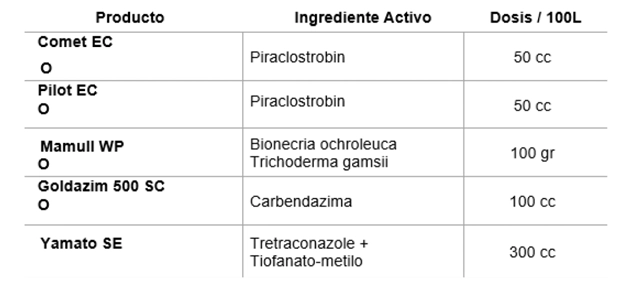
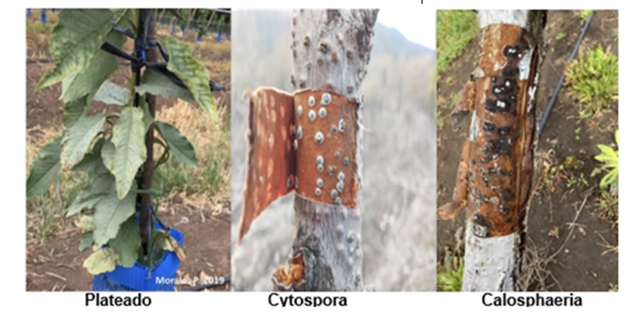 Image 5. Symptoms of the main fungal pathogens affecting wood
It is always necessary to evaluate the application of treatments against both bacteria and wood fungi, since plant pathology analyses generally show the simultaneous presence of both diseases.
Preventive and curative control of spider mites is essential to keep their populations low within orchards, enabling us to stay below the economic damage threshold.
The reproduction of these mites depends on temperature; at temperatures above 25 °C, a new generation of spider mites can develop in just 7 days.
Therefore, it is important to constantly monitor orchards to determine the pressure of this pest and decide whether acaricide applications must be repeated, if necessary.
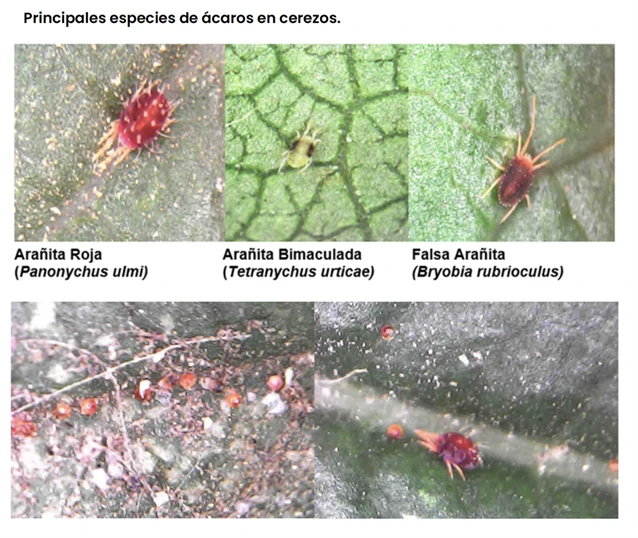 Image 6. Main mite species affecting cherry trees
Apply the first treatment after harvest to reduce pest pressure.
It is important to apply this treatment before using sunblock products, especially those based on kaolinite.
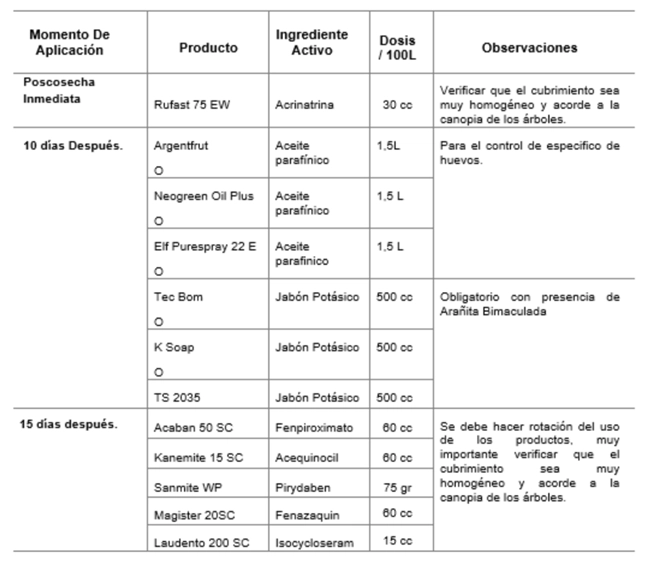
It is important to consider that products classified within IRAC Group 6 (Abamectin or Milbemectin) have a translaminar mode of action, so their control is more effective in the pre-harvest phase; otherwise, their efficacy decreases as the plant’s metabolic activity slows down.
Applications should be repeated every 15 days or according to monitoring results, especially during hot summers, since the reproduction rate of these mites increases with high temperatures.
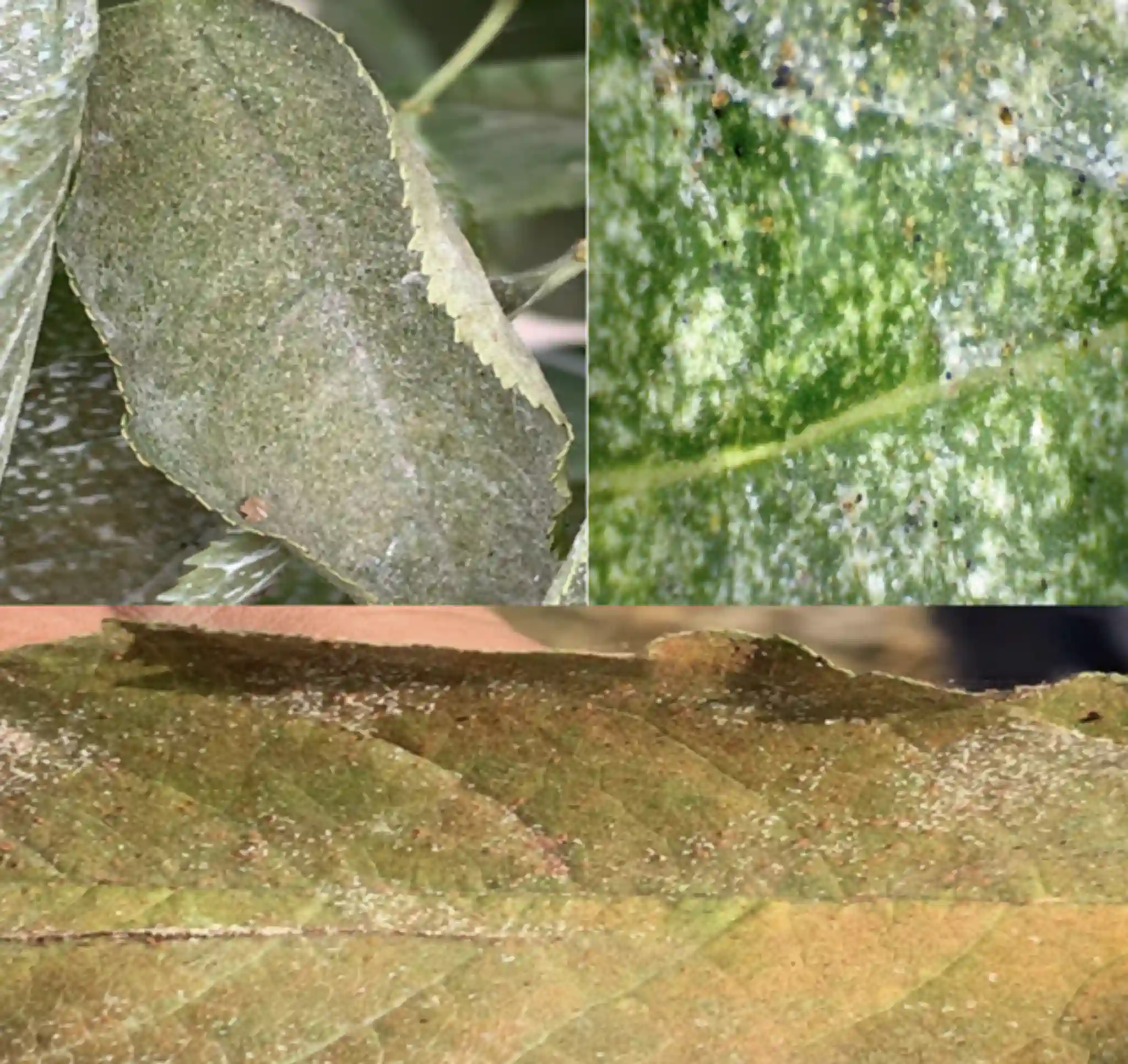 Image 7. Leaf damage caused by phytophagous mites
In dry years with high temperatures, their reproduction is very rapid and aggressive, leading to severe spider mite infestations that may cause significant plant stress, including defoliation and regrowth.
This reduces the photosynthetic capacity of the plants. If infestation occurs before harvest, it affects fruit quality, while if it occurs after harvest, it has a severe impact on reserve accumulation for the following season.
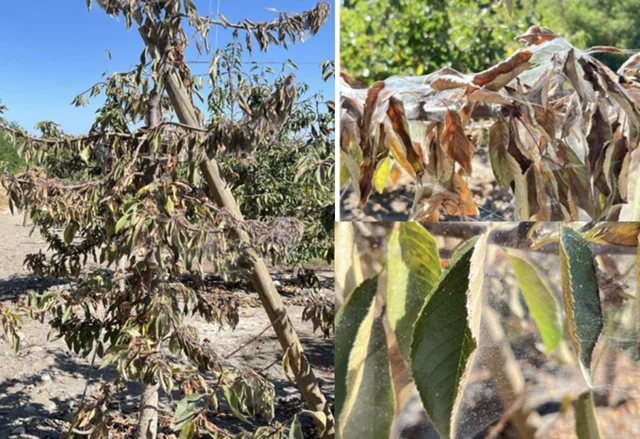 Image 8. Severe infestation caused by spider mites
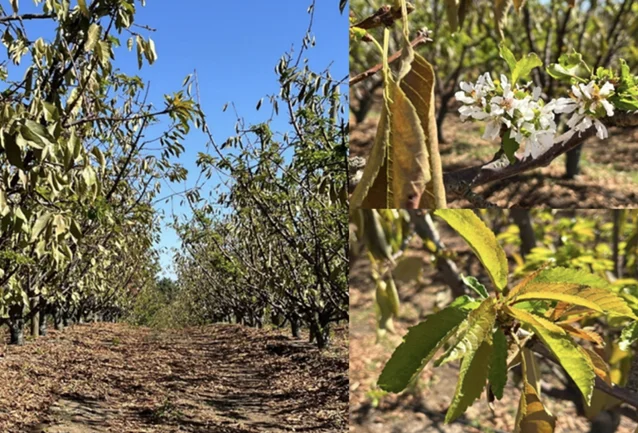 Image 9. Orchard with severe spider mite infestation and water stress, showing budbreak and flowering in March
5. Weed and sucker control
Before applying systemic herbicides, it is important to carefully control weeds to prevent plant poisoning.
Weed control is also essential because weeds can host pests and diseases.
We must be particularly vigilant when weeds are prevalent in the orchard, as this indicates plant health problems, especially at root level.
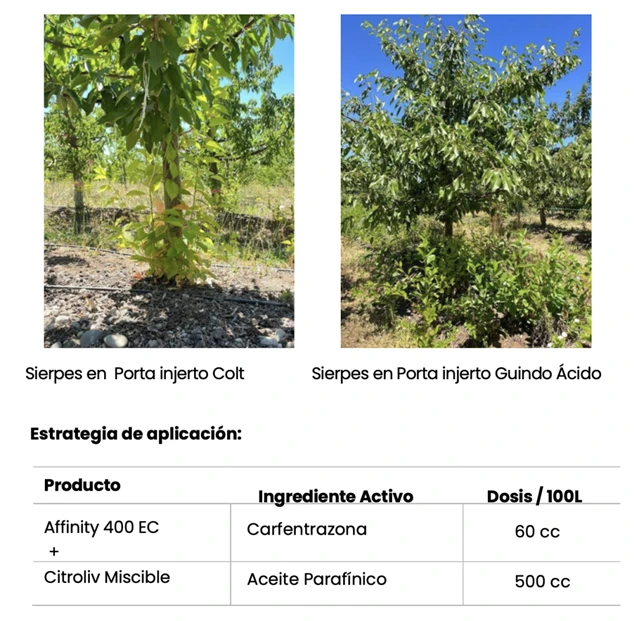
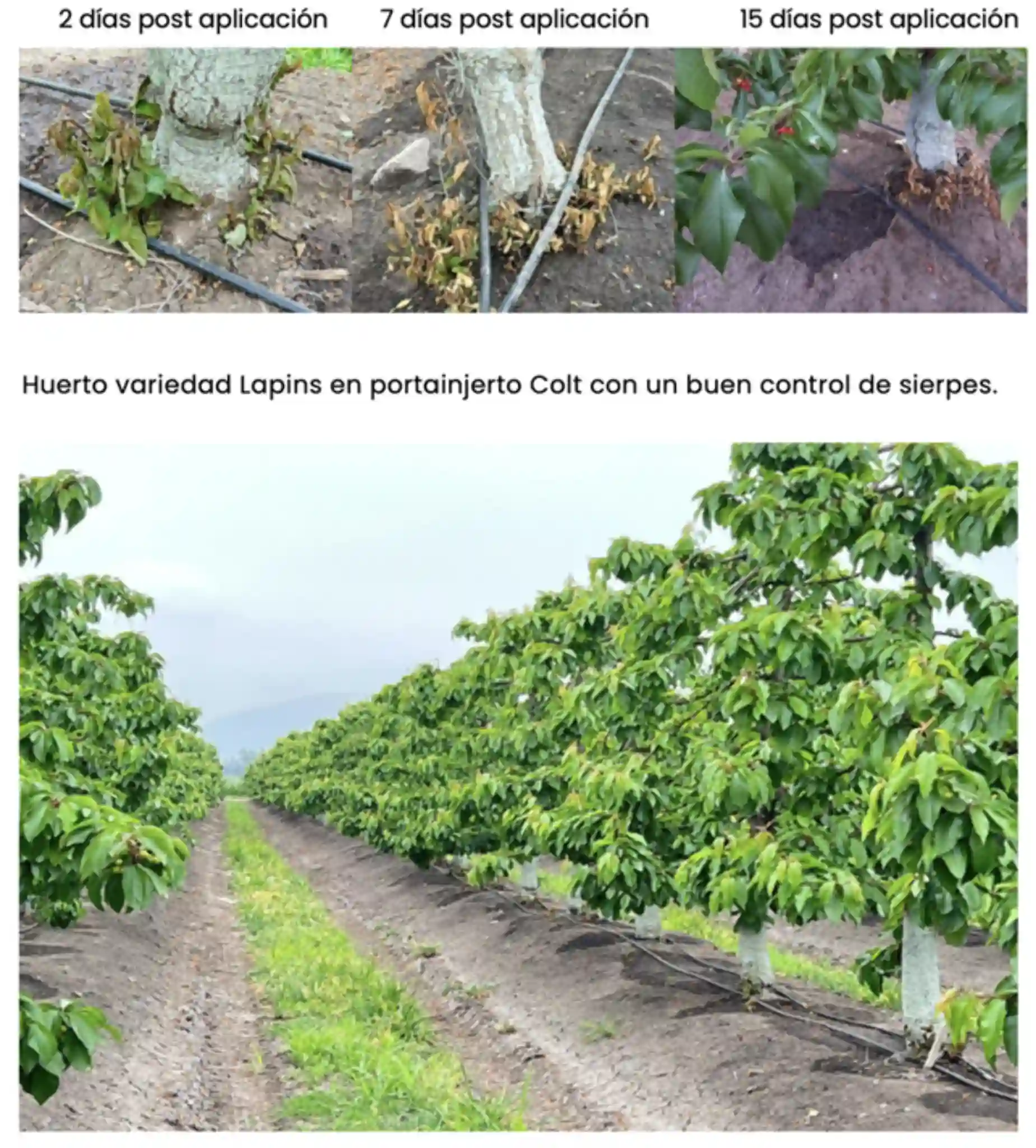 Image 10. Results of applying sucker-control products
Weed control in the post-harvest period
If weeds have emerged after harvest, I recommend applying the following:
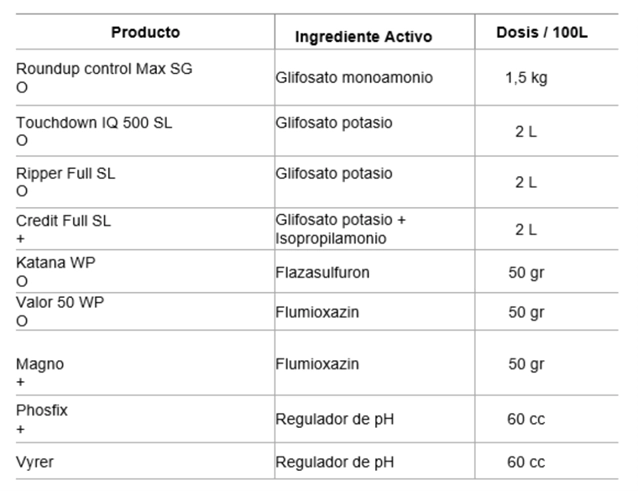
Weed control with contact herbicides.
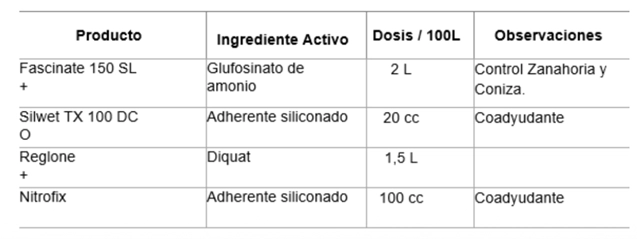
Application for the control of weeds resistant to glyphosate, such as yellow nutsedge, carrot or horseweed (Conyza spp.).
Between 20 January and 20 February, adapt the application date according to the geographical area and monitoring of pest migrations.
Chemical control should target the second generation of migratory scale nymphs; therefore, it is very important to apply the treatment in a timely manner for effective control, using one of the following products:
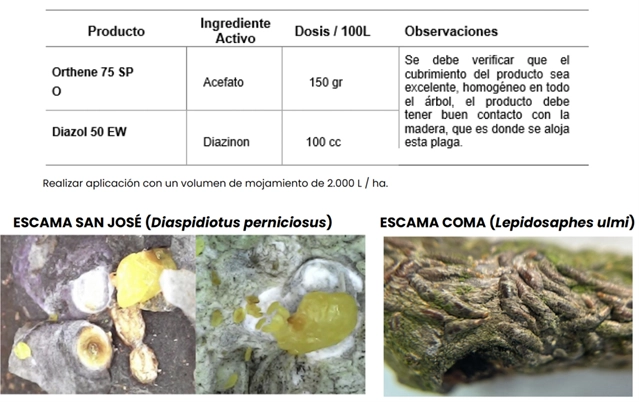
Effective control of this insect is essential, as it can cause significant economic losses and its eradication from the orchard may take several seasons.
Its reproduction rate is highly aggressive, since it produces hundreds of live young (nymphs), which makes effective control more difficult due to the exponential growth of the population within the orchard during the season.
Effective and preventive control measures must be implemented for all generations, as this insect may have two or three generations.
To improve and enhance post-harvest reserve accumulation, reduce vigor and stop vegetative growth, it is recommended to apply a molybdenum-based product.
This signals the plant to start accumulating and redirecting photoassimilates from the leaves to the roots and to other structures such as shoots and spurs, where reserves for the following season are stored.
This application, combined with cytokinin, improves cell division during differentiation, enhancing and increasing the number of cells that form buds and spurs.
This results in higher-quality reproductive structures that will develop into flowers and fruits in the following season.
As we are facing increasingly warm autumns, applications in this period should start on 15 February, with 3 applications every 7 days.
Patricio Morales
Agro Asesoria, Chile
Editor’s note: The recommendations in this technical note refer to the current environmental, agronomic and management conditions in Chile.