Welcome to Cherry Times




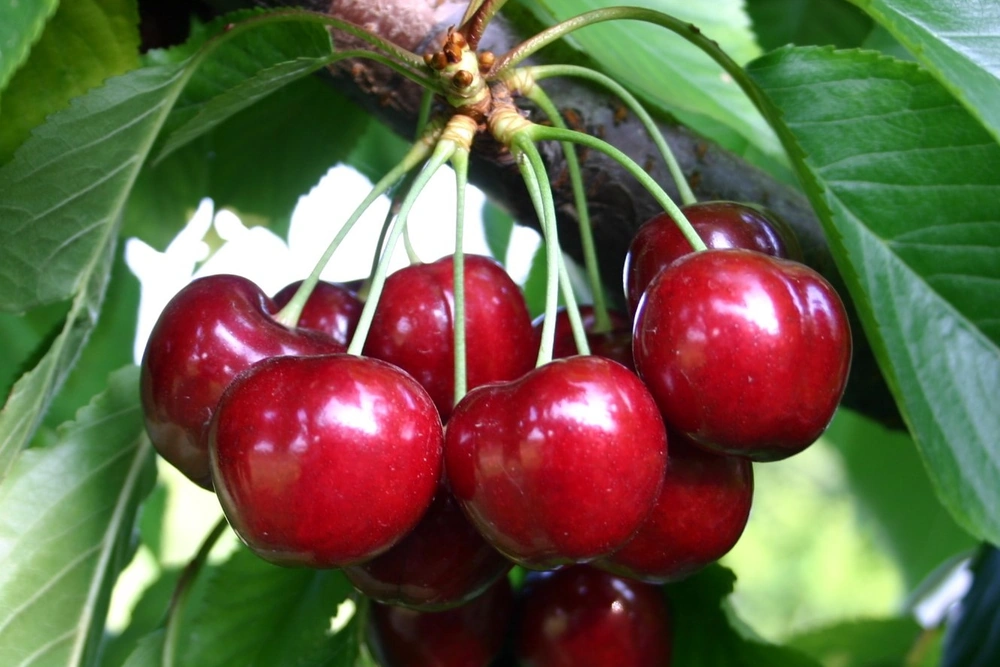
This article, written exclusively for Cherry Times readers by Jesús Alonso, a Spanish researcher and member of the scientific committee of this magazine, examines the physiological and agronomic factors that determine orchard establishment, fruit quality and production stability in sweet cherry (Prunus avium L.) cultivation models intended for cherry production for the fresh market.
The central thesis is that marketable production does not depend on a single cultivation practice, but rather on an integrated sequence that begins in the previous production cycle with floral induction and the formation of flower buds; continues through the fulfilment of the winter chilling requirement, spring heat accumulation, flowering, pollination and fruit set; and culminates in the stages of fruit growth, ripening and harvesting.
The article, divided into two parts, integrates several aspects:
The approach adopted connects physiological mechanisms with agronomic evidence to support context-specific technical decisions, avoiding the transformation of thermal models, critical thresholds or cultivation interventions into universal prescriptions.
Sweet cherry (Prunus avium L.) is a high-value temperate fruit crop whose profitability in fresh-market systems depends on tight coordination among climate, phenology, and orchard management. Commercial production requires trees to enter bloom with well-formed flower buds, to have satisfied their winter chilling requirement, to accumulate spring heat sufficiently and uniformly, to maintain favorable conditions for pollination and fruit set, and to complete fruit development under a balanced integration of water supply, nutrition, crop load, canopy architecture, and climate-risk mitigation (Fadón et al., 2021; Fadón et al., 2023; Hedhly et al., 2004; Wani et al., 2014).
Commercial sweet cherry production is driven by the interaction of physiological, agroclimatic, and management factors across the entire preharvest period. Final yield and fruit quality arise from a sequence of interdependent processes that begins during the summer of the preceding cycle with floral induction and flower-bud differentiation, continues through fall and winter with dormancy induction and release, is determined during budbreak, bloom, pollination, and fruit set, and culminates in fruit growth, ripening, and harvest (Fadón et al., 2015; Fadón et al., 2018a; Fadón et al., 2018b; Wani et al., 2014).
This chapter focuses on commercial sweet cherry production for the fresh market. Although many of the processes discussed are broadly applicable to sweet cherry, the framework is particularly relevant to temperate, Mediterranean, and mountain production systems, where irregular winter chill, spring frost, water stress, rainfall at ripening, hail, and other extreme events can compromise yield stability. Interpretations must therefore be adjusted to cultivar, rootstock, elevation, soil, microclimate, training system, available infrastructure, local regulations, and commercial target (Rojas et al., 2021; Nieto-Serrano et al., 2026).
The BBCH scale provides a standardized description of sweet cherry development from dormancy and bud development through bloom, fruit set, fruit growth, and ripening (Fadón et al., 2015). From this perspective, preharvest factors can be viewed as successive windows of vulnerability and opportunity.
Some decisions, including site, cultivar, and rootstock selection, are made at orchard establishment and determine exposure to chill, frost, vigor, tree water status, and maturity date for many years. Others, including irrigation, nutrition, pruning, crop-load regulation, and protection against rain or frost, operate during specific phenological stages and must be adjusted to actual phenology, orchard microclimate, and available evidence. Table 1 synthesizes the main domains, and Figure 1 summarizes the conceptual model of the chapter.
Table 1. Main preharvest factors governing commercial sweet cherry production
| Domain | Main window | Productive mechanism | Risk if it fails | Key sources |
|---|---|---|---|---|
| Site-cultivar-rootstock adaptation | Orchard establishment and productive lifespan | Aligns thermal requirements, vigor, soil, bloom date, and maturity date. | Uneven bloom, poor fruit set, root stress, or excessive climatic risk. | Alburquerque et al. (2008); Schuster (2012); Nieto-Serrano et al. (2026) |
| Floral induction and reserves | Summer-postharvest of the previous cycle | Defines bud quality, reserves, floral differentiation, and reproductive potential. | Low bud viability, weaker bloom, malformations, or poorer uniformity. | Fadón et al. (2018a); Villar et al. (2020) |
| Winter chill and spring heat | Dormancy, ecodormancy, and budbreak | Regulates dormancy release, budbreak, bloom, and phenological synchrony. | Erratic budbreak, delayed or advanced bloom, and reproductive mismatch. | Alburquerque et al. (2008); Fadón et al. (2021); Fadón et al. (2023) |
| Bloom, pollination, and fruit set | BBCH 60-72 | Converts floral potential into fruit through compatibility, pollen, EPP, and pollinators. | Fertilization failure, abscission, low crop load, and lower commercial quality. | Hedhly et al. (2004); Holzschuh et al. (2012); Mateos-Fierro et al. (2025) |
| Water, nutrition, crop load, and canopy | Fruit set, fruit enlargement, and ripening | Controls source-sink balance, fruit size, firmness, sugars, color, and canopy microclimate. | Small, soft, poorly colored fruit or increased cracking sensitivity. | Wani et al. (2014); Blanco et al. (2019); Nieto-Serrano et al. (2026) |
| Final ripening risks | BBCH 80-89 | Integrates losses from rain, hail, cracking, and rots, modulated by canopy or cover microclimate. | Loss of commercial value despite high prior physiological potential. | Measham et al. (2009); Rojas et al. (2021); Knoche et al. (2025) |
Note: The table summarizes domains developed throughout the chapter and should not be interpreted as a closed or hierarchical list.
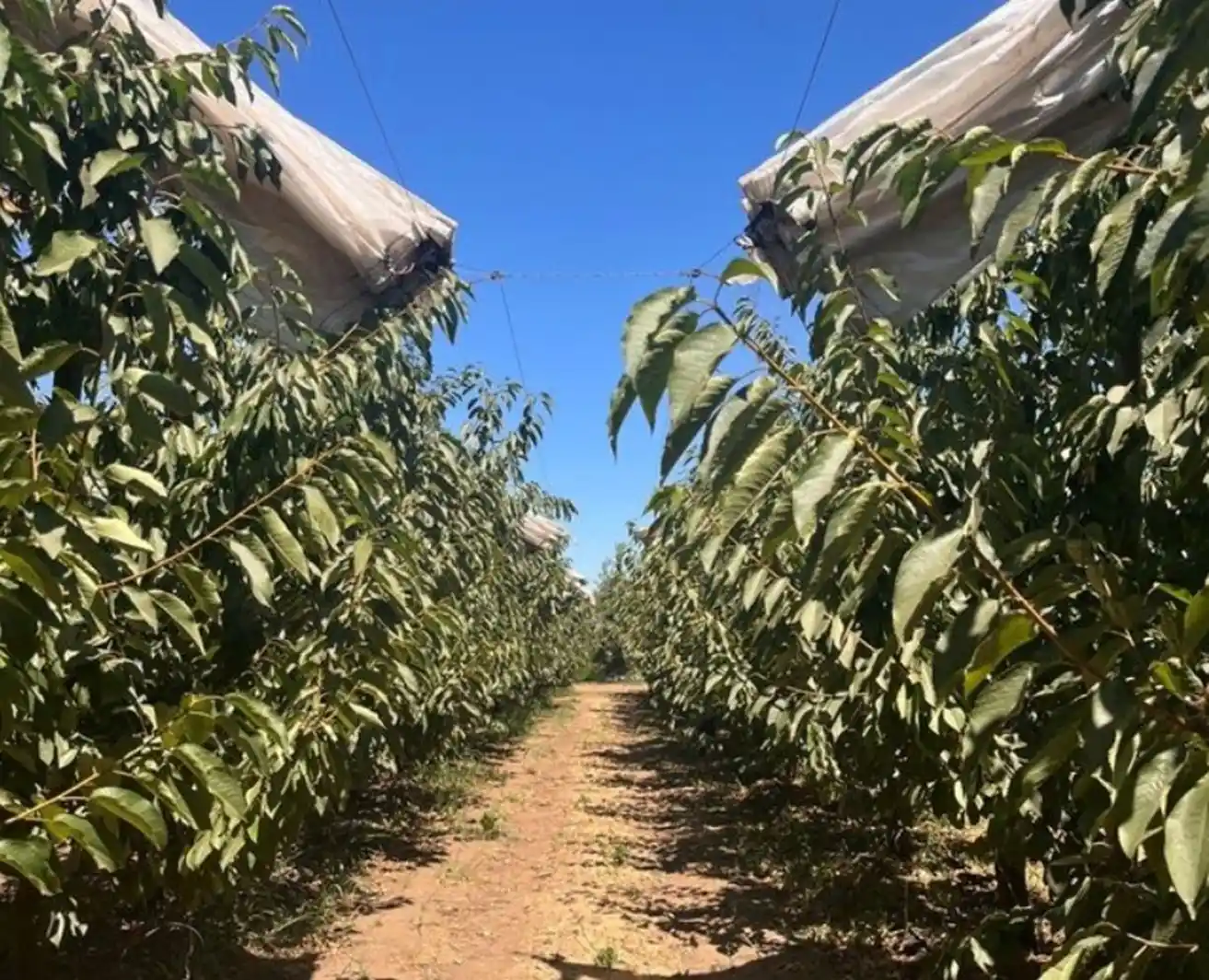
Productive foundation: site, cultivar, rootstock, and soil
An orchard can reach optimal production only when the production system is properly established from the outset. Compatibility among local climate, cultivar, rootstock, soil, topography, and management system defines the physiological operating margin of the orchard throughout its productive lifespan.
This structural foundation does not replace annual agronomic management, but it largely determines whether subsequent interventions can be effective, especially in systems where winter chill, frost risk, water availability, and maturity date vary at fine spatial scales (Alburquerque et al., 2008; Fadón et al., 2023; Nieto-Serrano et al., 2026).
Orchard location determines chill accumulation, frost exposure, ventilation, radiation, drainage, and water availability. In mountain or valley environments, small differences in elevation, slope, or aspect can shift phenology and alter the probability that a cultivar will satisfy its thermal requirements.
The relationship between elevation and chill fulfillment has been documented in sweet cherry, and in the Jerte Valley, elevation and irrigation strategy have been associated with clear differences in evaporative demand, tree water status, phenology, fruit growth, and production. The orchard should therefore be interpreted as a specific microclimatic unit rather than simply as a regional location (Alburquerque et al., 2008; Nieto-Serrano et al., 2026).
Cultivar selection should be based on chilling and heat requirements, bloom date, maturity date, cracking susceptibility, firmness, fruit size, market suitability, and reproductive compatibility. Genetic variation in sweet cherry is substantial; cultivar choice should therefore be framed as a genotype-by-environment matching problem rather than as a static classification of “good” or “bad” cultivars.
Low-chill cultivars may be useful under mild winters, but they may also bloom too early and become more exposed to late frost; more demanding cultivars may provide stability in cold areas, but may show erratic budbreak if planted where chill accumulation is insufficient (Alburquerque et al., 2008; Azizi Gannouni et al., 2017; Fadón et al., 2023).
Reproductive compatibility requires specific consideration. Many sweet cherry cultivars exhibit gametophytic self-incompatibility; knowledge of S-allele constitution allows cultivars to be assigned to cross-incompatibility groups and permits the design of compatible pollination combinations. This criterion does not replace the need for bloom overlap and pollinator activity, but it prevents the erroneous assumption that visual overlap in bloom, by itself, guarantees fruit set (Schuster, 2012).
Some cultivars show thermal plasticity and can partially compensate for lower chilling accumulation through higher spring heat accumulation. However, this compensation has physiological limits, varies with cultivar and environment, and should not be used to justify planting material outside its agroclimatic adaptation range.
CP, CH, CU, and GDH values should always be interpreted together with region, phenological series, thermal model, and bloom criterion (Kaufmann & Blanke, 2019; Fadón et al., 2021).
Reported cultivar requirements illustrate why these values must remain model- and region-specific. In Spanish cultivar sets, chilling requirements have ranged from approximately 26 to 60 chill portions (CP), with heat requirements of roughly 5,473-8,030 growing degree hours (GDH); in long-term commercial series from Zaragoza, reported values have been approximately 51.6-65.2 CP and 4,994-7,315 GDH.
Even widely planted cultivars such as 'Lapins' should therefore be interpreted through the specific model, climatic record, and bloom criterion used to derive the value, rather than as a universal biological constant (Fadón et al., 2021; Fadón et al., 2023).
The rootstock should not be treated as a neutral component of the production system. Available evidence indicates that it can influence floral traits, bud damage, fruit drop, maturity, and crop potential; rootstock selection should therefore be integrated with cultivar, training system, expected vigor, climate risk, and production objective.
Rootstock effects may also be relevant under frost exposure: in 'Carmen', reported flower-bud damage under winter frost differed markedly among rootstocks, with substantially lower damage on MaxMa 14 than on Oblačinska cherry under the conditions studied. Similarly, recent evidence indicates that fruit drop and final fruit density can vary with cultivar, rootstock, year, and protected growing system. Such results should not be generalized mechanically, but they emphasize that rootstock choice can modify both productivity and risk exposure (Dziedzic et al., 2019; Djordjevic et al., 2021; Feldmane et al., 2025; Nieto-Serrano et al., 2026).
Soil completes the physical foundation of the orchard and should be evaluated before planting in terms of texture, effective depth, drainage, structure, organic matter, electrical conductivity, restrictive layers, and actual water availability. Evidence from the Jerte Valley shows that tree water status, soil water content, stomatal conductance, phenology, and fruit growth vary with elevation and irrigation management, reinforcing the need to interpret soil, water, and microclimate jointly.
This planning phase is less visible than annual interventions, but it determines the orchard’s capacity to respond to pruning, irrigation, nutrition, and climate protection (Nieto-Serrano et al., 2026).
The crop of a given season is partly determined during the summer and fall of the preceding cycle. During this period, floral induction and differentiation begin, and the meristem and floral primordia establish reproductive potential before winter dormancy.
This transition has anatomical and molecular bases and involves regulatory networks that include transcription factors, floral-identity genes, including members of the MADS-box family, and hormonal signals associated with meristem-state transition (Fadón et al., 2018b; Villar et al., 2020). This is a central point: the preharvest period does not begin in spring, but in the previous cycle.
Future bud quality depends on the balance among vegetative growth, crop load, photoassimilate availability, and the functional status of the tree during the preceding cycle. Heavy crop load, unbalanced vegetative growth, or stress episodes can intensify competition for resources and restrict the reserve accumulation needed to support bud preparation during dormancy.
This relationship should be stated as a general physiological principle, not as a universal quantitative rule, because it depends on cultivar, rootstock, vigor, canopy light environment, water status, and nutrition. Because floral primordium development and the transition to spring growth rely on reserves and internal bud changes, such imbalances can compromise uniformity and reproductive potential in the following season (Kaufmann & Blanke, 2017; Fadón et al., 2018a; Wani et al., 2014).
During winter, flower buds can retain a stable external appearance while undergoing substantial internal physiological change. One of the most relevant processes is the active accumulation of starch in ovary primordium cells, following a pattern associated with chill accumulation and subsequent mobilization during the transition toward spring development.
This dynamic provides a mechanistic basis for understanding why chill fulfillment is not only an external phenological requirement, but also a process linked to reserves and internal reproductive preparation (Fadón et al., 2018a; Fadón et al., 2018b).
Summer heat adds a specific risk during floral induction and differentiation. Controlled-environment studies with young 'Lapins' and 'Van' trees on 'Gisela 6' have shown that prolonged exposure to summer temperatures around 20-21 °C can depress early floral initiation relative to cooler conditions.
This result should be interpreted as context-specific experimental evidence, not as a universal thermal threshold for all cultivars, tree ages, or regions. Even so, it emphasizes that canopy, irrigation, and vigor management during the summer-postharvest period should be viewed as an investment in the next crop, not merely as a postharvest practice (Sønsteby & Heide, 2019; Villar et al., 2020).
Nutrient homeostasis and the mobilization of systemic tree reserves are essential for dormancy release and spring development. During winter rest and the transition to budbreak, annual shoots and vegetative buds undergo metabolic reprogramming, with fluctuations in sugars, amino acids such as asparagine and proline, nitrogenous reserves, and mineral elements associated with growth reactivation.
Carbon-tracing studies also support the central role of stored reserves in early spring, when flowers, immature fruit, and young leaves draw on carbon previously stored in roots, older wood, buds, and structural tissues. This evidence should not be directly extrapolated to floral fertility or pollen tube growth, but it supports interpreting postharvest nutrition and canopy function as restitution of systemic reserves and maintenance of tree function for the next cycle (Ayala & Lang, 2015; Michailidis et al., 2018).
This interpretation gives postharvest management a direct preharvest meaning. In sweet cherry, premature loss of leaf function, excessive shading, poorly timed nutrition, or inadequate postharvest soil-water management can reduce the physiological capital available for bud differentiation, reserve storage, root activity, and subsequent spring growth.
Evidence from related Prunus systems further shows that the timing and severity of postharvest water stress can affect following-year productivity and fruit quality, so water deficits after harvest should be managed cautiously rather than regarded as physiologically irrelevant. Postharvest sprays of nitrogen, boron, or zinc, and their interaction with soil and leaf nutritional status, should therefore be evaluated as site-specific tools within a reserve-restitution strategy rather than as routine inputs applied independently of diagnosis (Naor et al., 2005; Bonomelli et al., 2012; Wójcik & Morgaś, 2013; Ayala & Lang, 2015).
Dormancy in sweet cherry is not passive rest, but a metabolically active phase that enables the tree to survive winter and synchronize reproductive development with spring. Functionally, this period can be organized into paradormancy, endodormancy, and ecodormancy.
Paradormancy is associated with inhibitory signals from other plant organs; endodormancy corresponds to internal inhibition within the bud itself, so that the bud does not break even under otherwise favorable external conditions; and ecodormancy begins when the bud has recovered potential growth capacity but budbreak remains constrained by environmental conditions, especially spring heat accumulation (Kaufmann & Blanke, 2017; Fadón et al., 2021; Fadón et al., 2023).
During endodormancy, buds undergo extensive physiological and molecular reprogramming. At the transcriptomic level, dormancy establishment and release are associated with changes in dormancy-related genes, including members of the DORMANCY ASSOCIATED MADS-box (DAM) family, and with hormonal pathways involving abscisic acid (ABA), including biosynthetic genes such as PavNCED5 (Vimont et al., 2019; Wang et al., 2023).
In parallel, changes occur in carbohydrates, relative water content, proteins, and reserves, including active starch accumulation in floral primordia, which helps distinguish dormancy phases and prepare spring reactivation (Fadón et al., 2018a; Kaufmann & Blanke, 2017; Götz et al., 2018). Figure 2 summarizes this conceptual framework linking dormancy, chilling, and forcing.
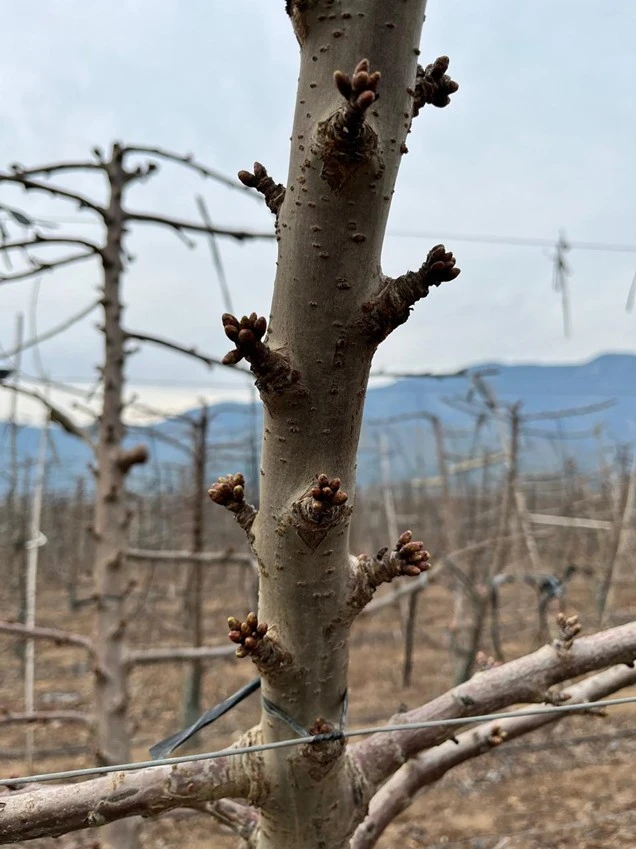
Winter chill fulfillment is one of the most important agroclimatic requirements in sweet cherry. Insufficient accumulation can cause erratic budbreak, uneven bloom, phenological delay, reduced reproductive viability, and yield losses. However, the method used to quantify chill strongly conditions the interpretation: models are not interchangeable and respond differently to warm, fluctuating, or Mediterranean winters (Alburquerque et al., 2008; Azizi Gannouni et al., 2017; Fadón et al., 2023).
Chilling models do not quantify exactly the same process. Chill hours (CH) count accumulated time within a fixed thermal interval and provide a simple metric, but they do not adequately discount the effect of warm winter temperatures. The Utah model, expressed as chill units (CU), applies positive and negative weights according to temperature range, although it can become unstable in climates with frequent warm fluctuations.
The Dynamic Model expresses chill as chill portions (CP), through a heat-sensitive precursor that is consolidated into effective chill, and generally provides a more robust interpretation in variable or Mediterranean climates. In parallel, spring heat accumulation is commonly expressed as growing degree hours (GDH), but the model, base temperature, upper threshold, and calculation period must always be stated (Alburquerque et al., 2008; Azizi Gannouni et al., 2017; Fadón et al., 2021; Fadón et al., 2023).
The relationship between winter chill and spring heat should not be interpreted as a strictly linear or fully separated sequence. Chilling and forcing interact dynamically: under controlled experimental conditions with contrasting cultivars and potted trees, chill deficits of up to 50% relative to the cultivar optimum have been partially compensated by greater exposure to warm temperatures during forcing, allowing bloom to occur.
Nevertheless, this substitution capacity has physiological limits, varies with genotype and experimental conditions, and should not be interpreted as a universal agroclimatic rule that guarantees productive success in the field (Kaufmann & Blanke, 2019; Fadón et al., 2021).
Delineating effective chill and heat periods requires the integration of biological, phenological, and statistical approaches. Forcing assays with cut shoots allow experimental evaluation of growth resumption under controlled conditions, whereas statistical approaches based on long temperature and bloom-date series, such as partial least-squares (PLS) regression, help identify the temporal windows in which chill and heat accumulation exert the strongest influence on bloom.
These approaches are complementary and must be interpreted together with cultivar, region, thermal model, phenological criterion, and hourly data quality (Fadón et al., 2021; Fadón et al., 2023; Kaufmann & Blanke, 2019).
For orchard decision-making, the practical implication is straightforward: chill and forcing models should be used as calibrated decision-support tools, not as transferable thresholds. In climates with warm winter interruptions, the Dynamic Model is generally more informative than simple chill hours, but it still requires reliable hourly temperature records and local phenological validation.
Model outputs should be updated during dormancy and ecodormancy, compared with observed bud status, and interpreted together with cultivar, orchard elevation, canopy exposure, and expected frost risk during the advancing phenological window.
Table 2 summarizes the thermal models most commonly used to interpret dormancy, budbreak, and bloom in sweet cherry.
Table 2. Thermal models used to interpret dormancy, budbreak, and bloom in sweet cherry
| Model | What it quantifies | Main use | Strength | Caution |
|---|---|---|---|---|
| Chill hours (CH) | Hours with temperature in a fixed interval, usually 0-7.2 °C. | Simple historical reference for winter chill. | Easy calculation and initial interpretation. | Does not discount winter heat; may overestimate effective chill. |
| Utah / chill units (CU) | Chill weighted by thermal efficiency, with penalties for warm temperatures. | Cold or temperate climates where thermal penalization is reasonable. | More physiological than CH. | Can generate excessively negative accumulation in mild climates. |
| Dynamic Model / CP | Chill portions consolidated from an unstable thermal precursor. | Robust interpretation in variable and Mediterranean climates. | Integrates chill-heat interaction during winter. | Requires hourly data and regional calibration. |
| Linear GDH | Heat accumulated after chill fulfillment. | Estimation of budbreak, bloom, and phenological planning. | Operational and comparable if the model is specified. | Base and upper threshold must be stated; the real response is not always linear. |
The transition from dormant bud to open flower, described by the BBCH scale, represents a profound physiological shift in sweet cherry sensitivity to spring frost. During dormancy, the flower bud maintains high cold resistance; however, the transition toward ecodormancy, bud swelling, and growth reactivation is accompanied by increases in relative water content, carbohydrate changes, and progressive loss of cold acclimation.
Frost sensitivity therefore depends not only on minimum temperature, but also on actual phenological stage, tissue hydration, cultivar, event duration, and microclimatic conditions during the frost night (Fadón et al., 2015; Kaufmann & Blanke, 2017; Salazar-Gutiérrez et al., 2014).
Table 3 summarizes a simplified phenological sequence for sweet cherry from dormancy to harvest. Its purpose is to organize the risks and decisions discussed below within a common phenological framework, without converting the BBCH scale into a fixed calendar or a universal management threshold (Fadón et al., 2015).
Table 3. Simplified phenological sequence of sweet cherry from dormancy to harvest
| Phase | BBCH | Dominant process | Productive relevance |
|---|---|---|---|
| Dormancy | 00-09 | Winter survival, chill accumulation, reserves, and hormonal regulation. | Conditions later uniformity of budbreak and bloom. |
| Bud swelling | 50-51 | Rehydration, dehardening, and visible growth reactivation. | Marks the start of intensive frost monitoring. |
| Flower cluster and balloon | 52-59 | Expansion of floral tissues and almost functional reproductive organs. | Increases sensitivity to cold, wind, rain, and heat stress. |
| Bloom | 60-69 | Flower opening, pollination, pollen tube growth, and fertilization. | Defines conversion of floral potential into fruit set. |
| Fruit set and young fruit | 70-75 | Initial cell division and crop-load establishment. | Conditions fruit number and potential size. |
| Fruit enlargement and ripening | 77-89 | Cell expansion, sugar accumulation, color, softening, and harvest. | Determines commercial quality and cracking risk. |
Note: The table summarizes an operational sequence; the duration of each phase varies with cultivar, rootstock, location, season, and observation criterion.
During winter, survival of floral primordia at subzero temperatures is supported by freezing-avoidance mechanisms. Buds can maintain liquid water at negative temperatures through supercooling and extra-organ ice formation, sequestering ice in spaces where it does not directly cause cellular damage.
This mechanism depends on anatomical barriers that limit ice propagation toward the primordia, including the absence of functional xylem continuity toward internal floral tissues. With the resumption of spring growth, vascular differentiation and increased tissue hydration reduce this isolation capacity, allowing ice to propagate more readily toward sensitive floral organs (Houghton et al., 2024).
Methodologically, frost sensitivity should not be expressed as a single universal critical temperature. Experimental studies use approaches such as differential thermal analysis (DTA), which detects low-temperature exotherms (LTEs) or cell-death midpoint values and permits the estimation of indicators such as LT50 or mCDP.
These indicators describe the physiological response of specific tissues under controlled conditions and must be interpreted cautiously when extrapolated to the field, where event duration, wind, humidity, radiation, thermal inversion, wet-bulb temperature, and tree water status all influence damage (Matzneller et al., 2016; Kaya et al., 2021; Kaya & Köse, 2022).
Sensitivity does not always increase linearly and does not affect all floral organs equally. DTA evaluations have shown that the open-cluster stage can present critical vulnerability, while some cultivars may show transient recovery of physiological tolerance at the white-flower stage.
However, these experimental results should not be interpreted as an agronomic safety margin: in the field, open flower and full bloom remain high-risk phases because reproductive organs are directly exposed and because floral injury can irreversibly affect fruit set (Kaya et al., 2021).
Damage interpretation must also be organ-specific. Available evidence indicates that intrinsic thermal susceptibility differs among floral whorls. At certain stages, sepals, receptacle, and pedicel may be more sensitive to freezing than petals, pistil, or stamens; at full bloom, the relative sensitivity of the pistil increases and may exceed that of other organs.
This distinction is important because the pistil is not always the first tissue to be physiologically damaged, but pistil integrity is an essential prerequisite for fertilization and fruit set. Frost damage should therefore be interpreted as the combined outcome of organ-level physiological vulnerability, phenological timing, and agronomic relevance for the crop (Kaya & Köse, 2022).
Operational frost management should therefore combine phenological scouting, wet-bulb temperature, expected duration of the event, canopy position, orchard topography, and the protection technology available. Minimum air temperature alone is an insufficient trigger because the same value can produce different damage depending on radiative conditions, wind, humidity, tissue hydration, and dehardening status.
Protection decisions become most defensible when they are linked to the phenological stage most at risk and to the organ whose damage would most directly limit fruit set.
Table 4. Relative frost sensitivity by sweet cherry phenological stage
| Phenophase | BBCH | Sensitive organ or process | Technical reading | Key sources |
|---|---|---|---|---|
| Dormant bud | 00-09 | Flower bud with supercooling. | High winter resistance; do not use a fixed threshold without cultivar, acclimation, and method. | Salazar-Gutiérrez et al. (2014); Houghton et al. (2024) |
| Swollen bud | 50-51 | Rehydrated primordia. | Inflection point: increased water raises the risk of damage by light frost once dehardened. | Kaufmann & Blanke (2017); Salazar-Gutiérrez et al. (2014); Houghton et al. (2024) |
| Closed/open cluster | 52-56 | Expanding floral tissues. | Early monitoring phase; the pistil can be damaged before open flower. | Matzneller et al. (2016); Kaya et al. (2021) |
| Pink/balloon stage | 57-59 | Nearly functional reproductive organs. | Very high sensitivity; values must be interpreted by organ, cultivar, and method. | Kaya et al. (2021); Kaya & Köse (2022) |
| Open flower and initial fruit set | 60-72 | Pistil, ovule, and young fruit. | Light or moderate frost can severely reduce fruit set depending on duration and wet-bulb temperature. | Matzneller et al. (2016); Xu et al. (2023) |
Note: Sensitivity is relative and must be adjusted to organ, cultivar, method, event duration, acclimation status, and wet-bulb temperature.
Bloom is the point at which reproductive potential accumulated over previous months can be converted into fruit. Success does not depend solely on flower opening, but on synchronization among anatomical viability, functional pollen, stigma receptivity, pollen tube growth, ovule longevity, genetic compatibility, pollinator activity, and environmental conditions during anthesis.
This integration determines whether floral potential becomes effective fruit set or is lost before fruit development begins (Hedhly et al., 2004; Hedhly et al., 2009; Zhang et al., 2018).
The functional window for successful fertilization is captured by the Effective Pollination Period (EPP). In sweet cherry, the EPP depends on synchrony among the duration of stigma receptivity, the rate of pollen tube growth, and the functional longevity of the ovule.
Temperature acts in a dual manner: moderately warm temperatures can accelerate pollen germination and pollen tube growth, whereas high temperatures can reduce pistil viability, shorten stigma receptivity, accelerate ovule degeneration, and reduce the time available for the pollen tube to reach the embryo sac. Abundant bloom therefore does not guarantee fruit set if the reproductive window is narrowed by unfavorable thermal conditions (Hedhly et al., 2004; Hedhly et al., 2007; Hedhly et al., 2009; Zhang et al., 2018).
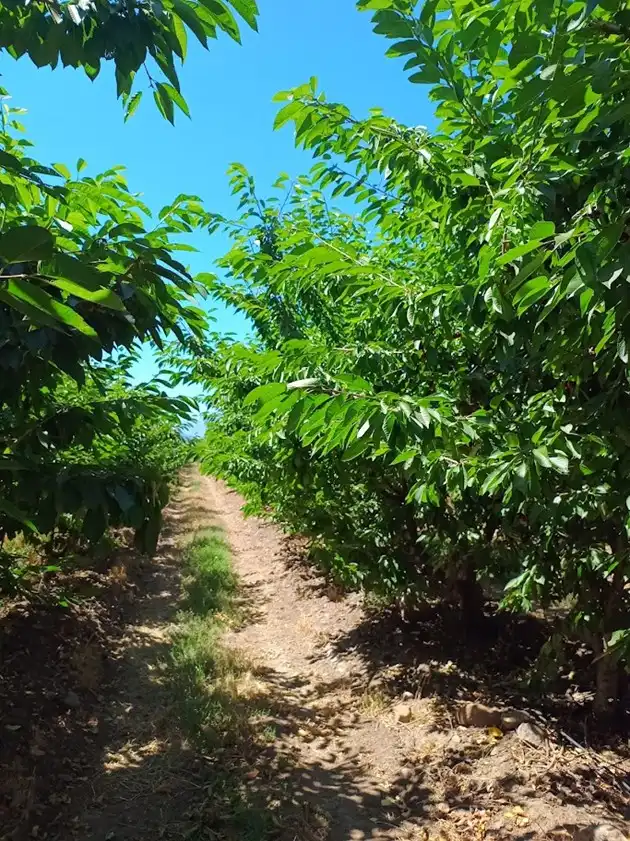
Genetic compatibility is a second necessary condition. Many sweet cherry cultivars exhibit gametophytic self-incompatibility regulated by the S-locus; pollen tube growth may therefore be arrested when the pollen haplotype is incompatible with pistil tissue.
Identification of S-alleles and incompatibility groups makes it possible to design cultivar combinations with compatible pollen, but this criterion must be integrated with actual bloom overlap, pollen viability, thermal conditions during anthesis, and availability of pollination vectors. Recent work explicitly reinforces flowering synchrony and cultivar compatibility as joint determinants of pollen-donor and recipient suitability.
Visual overlap in bloom alone does not guarantee effective fertilization, and compatibility without functional synchrony is equally insufficient (Choi et al., 2002; Schuster, 2012; Radicevic et al., 2013; Siopa et al., 2026).
Entomophilous pollination is a critical component of commercial fruit set. Honeybee hive introduction can be useful in many production systems, but it should not be presented as the sole or sufficient solution. Available evidence shows that pollination services also depend on wild pollinator diversity, landscape structure, seminatural habitats, local management intensity, and weather conditions during bloom.
Bumble bees and non-Apis bees can differ from honey bees in foraging behavior, row movement, weather sensitivity, stigma contact, and single-visit pollination efficiency, and mason bees have been shown to act synergistically with honey bees in sweet cherry orchards. Pollination should therefore be managed as a complex ecosystem service rather than simply as a question of hive density (Holzschuh et al., 2012; Eeraerts et al., 2017; Eeraerts et al., 2020a; Eeraerts et al., 2020b; Osterman et al., 2023; McCabe et al., 2024; Laterza et al., 2025; Mateos-Fierro et al., 2025; García et al., 2025).
In practical orchard design, pollination planning should include four checks: S-compatibility, flowering overlap under local chilling and forcing conditions, spatial distribution of pollen donors within bee flight paths, and pollinator activity under the expected weather window. Cold, wind, rain, or low radiation can constrain honeybee flight during early spring bloom; greater functional diversity of pollinators can increase resilience when weather is marginal (Karbassioon et al., 2023; Osterman et al., 2023; McCabe et al., 2024).
This interpretation has direct implications for orchard design. Cultivar compatibility, spatial distribution of pollinizers, bloom overlap, insect activity, and the surrounding landscape must be interpreted jointly. A genetically compatible pollinizer that blooms outside the effective window does not solve the reproductive problem, and high hive density may be insufficient if weather restricts flight, if landscape structure limits functional diversity, or if bloom is compressed into a very short period (Schuster, 2012; Holzschuh et al., 2012; Eeraerts et al., 2017; García et al., 2025).
Once the ovule is fertilized, initial fruit set depends on the sink strength of the young fruit and on complex hormonal regulation. Under normal retention conditions, the young fruit maintains hormonal signaling and the capacity to attract photoassimilates.
Conversely, when embryonic anomalies or early developmental failures occur, auxin concentrations in the pedicel decrease, the abscission zone becomes more sensitive to ethylene, and abscisic acid (ABA) accumulation increases. This hormonal interaction is associated with expression of transcription factors, including HD-ZIP family genes, and with cell-wall remodeling enzymes that trigger young-fruit abscission (Qiu et al., 2021).
Interventions intended to improve fruit set should be formulated cautiously. Applications of elicitors or regulators such as putrescine and melatonin have shown favorable effects on frost tolerance or fruit set in specific cultivars and conditions, but they are not universal recommendations.
Similarly, early-season strategies such as irrigation management or boron applications can show responses that depend on cultivar, temperature, dose, and phenological timing; under certain cold-spring conditions, boric acid did not improve fruit set and may even reduce it. Any intervention should therefore remain subordinate to local validation, regulatory authorization, prior diagnosis, precise phenological stage, and specific evidence for the cultivar and production system (Xu et al., 2023; Ruiz-Aracil et al., 2024).
Figure 3 specifically summarizes the relationship among EPP, temperature, pollen tube growth, pistil receptivity, ovule viability, and initial fruit set. It should be read as a conceptual framework: reproductive success depends on temporal coincidence among physiological and environmental processes during anthesis, without excluding other determinants such as genetic compatibility and pollinator activity.
Jesús Alonso¹,²
¹ Institute of Food Science, Technology and Nutrition (ICTAN-CSIC), Spanish National Research Council (CSIC), c/ José Antonio Novais, 6, 28040 Madrid, Spain.
² University Research Institute for Agricultural Resources (INURA), Universidad de Extremadura, Edificio de los Institutos Universitarios de Investigación, Avenida de la Investigación s/n, 06006 Badajoz, Spain.