News about Storage

1-MCP-releasing stickers: a novel technology to extend the shelf life of sweet cherries while preserving fruit quality

Post-harvest​

16 Jul 2026

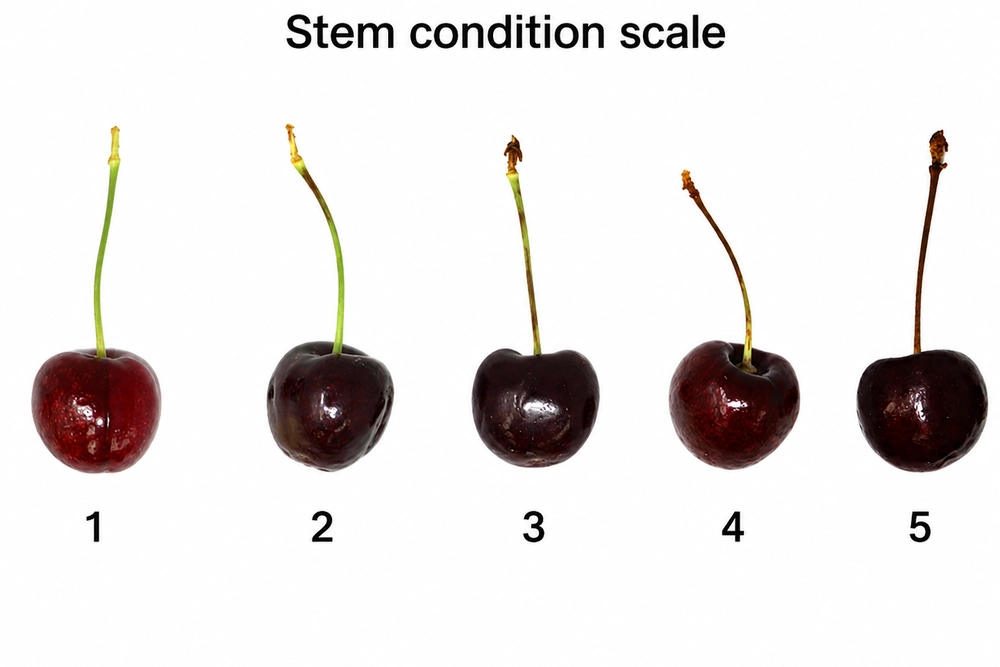
A study on Kordia and Regina sweet cherries shows that Vidre+ stickers releasing 1-MCP reduce weight loss and stem browning while preserving firmness, vitamin C, polyphenols and antioxidant capacity during 21 days of cold storage at 2-3 °C, improving storage stability.

Low temperatures induce lignin biosynthesis in sweet cherries during postharvest

Post-harvest​

10 Feb 2026

Low temperature storage extends the shelf life of sweet cherries but may induce pulp lignification. A study on the Meizao cultivar examines structural, biochemical and molecular changes affecting fruit firmness, texture, quality and consumer acceptance during post-harvest storage

Gibberellic acid: improves hardness and preservation of cherries

Quality

21 Mar 2025

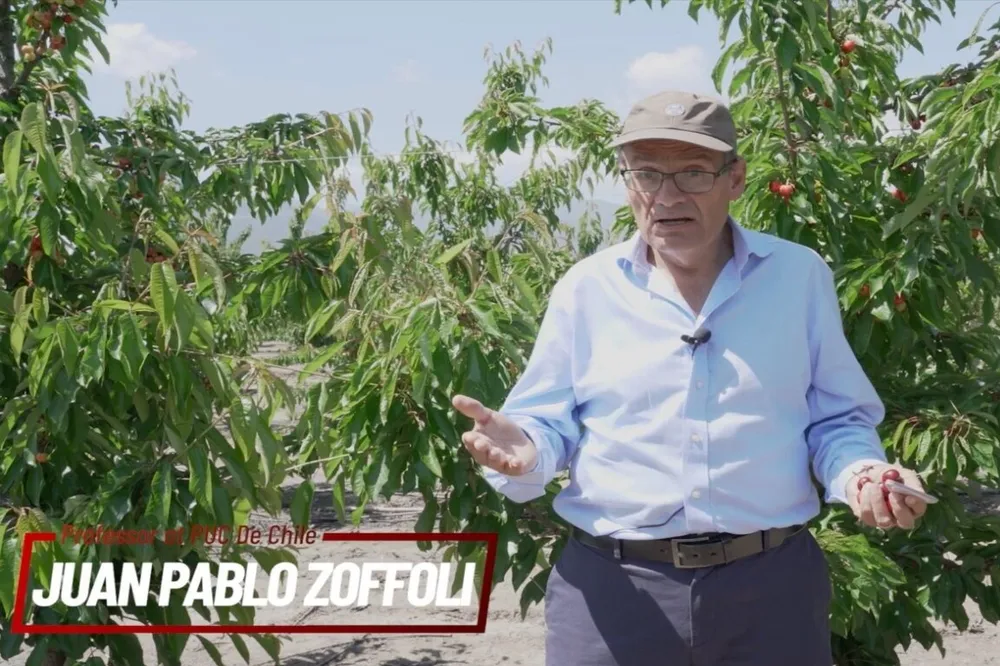
Discover how Professor Juan Pablo Zoffoli's research in Chile is revolutionizing cherry production. Innovative treatments improve size, quality, and shelf life, focusing on the Bing and Lapins varieties. Explore the science behind tastier, market-ready cherries.

Dry matter as an indicator of sweet cherry maturity and quality

Post-harvest​

29 Jan 2025

A study utilized the CTIFL color scale to classify cherries into three maturity levels analyzing the fruit both before and after a 28-day storage period. Cherries with optimal dry matter levels exhibit lower respiration rates, which helps maintain flavor during storage.

How to prevent cherry pitting on fruits?

Tech management

08 Jan 2025

The surface pitting damage is caused by mechanical damage before and after harvest. The defect only manifests itself after 7-10 days of cold storage, after packing and inspection of the fruit, and has substantial economic implications.

Phenyllactic acid (PLA) treatment to improve cherry storage

Post-harvest​

28 Nov 2024

A Chinese study proposed a more sustainable approach using phenyllactic acid to extend the storage life of cherries. The results highlighted that a concentration of phenyllactic acid is effective in reducing the cherries respiration rate and in controlling oxygen.