The 2026 season began two to three weeks earlier than usual, but weather conditions during flowering affected pollination and fruit set. Despite lower availability, the fruit stands out for its size and sugar content.
Harvest start
2–3 weeks
earlier than usual
Production in Ceres
More than 50% lower
potential decline compared with the previous season
Size of the first fruit
Up to 30 mm
with high sugar content
South Africa’s cherry season began earlier than usual, but against a complex production backdrop. According to marketer Tru-Cape Fruit Marketing, harvesting started in early October, two to three weeks ahead of the traditional schedule. In Ceres, the country’s main cherry-producing area, volumes could nevertheless fall by more than 50% compared with the previous season.
The first fruit of the season was harvested and packed on 8 October, marking an exceptionally early start. Growers in the northern areas, which usually begin ahead of other regions in the country, had already been working with the fruit for several weeks.
The early start did not translate into higher production. The industry attributes the decline mainly to adverse weather conditions during flowering, a critical stage for pollination and fruit formation.
Heat and cold affected flowering
Calla du Toit, Procurement Director at Tru-Cape Fruit Marketing, explained that many early varieties flowered during a week of exceptionally high temperatures in late August.
According to the company’s assessment, the heat may have shortened the effective pollination period, resulting in lower fruit set. Temperatures then fell, potentially causing cold damage to part of the crop.
This pattern highlights how sensitive cherry production is to weather conditions during the early stages of the growing cycle. The harvest date alone does not determine the production outcome: flowering, pollination and early fruit development can all have a decisive impact on the volumes available.
For growers, the challenge is to manage a season with a lower fruit load and adjust harvesting and marketing operations to the actual availability of fruit.
Lower volumes, but good quality
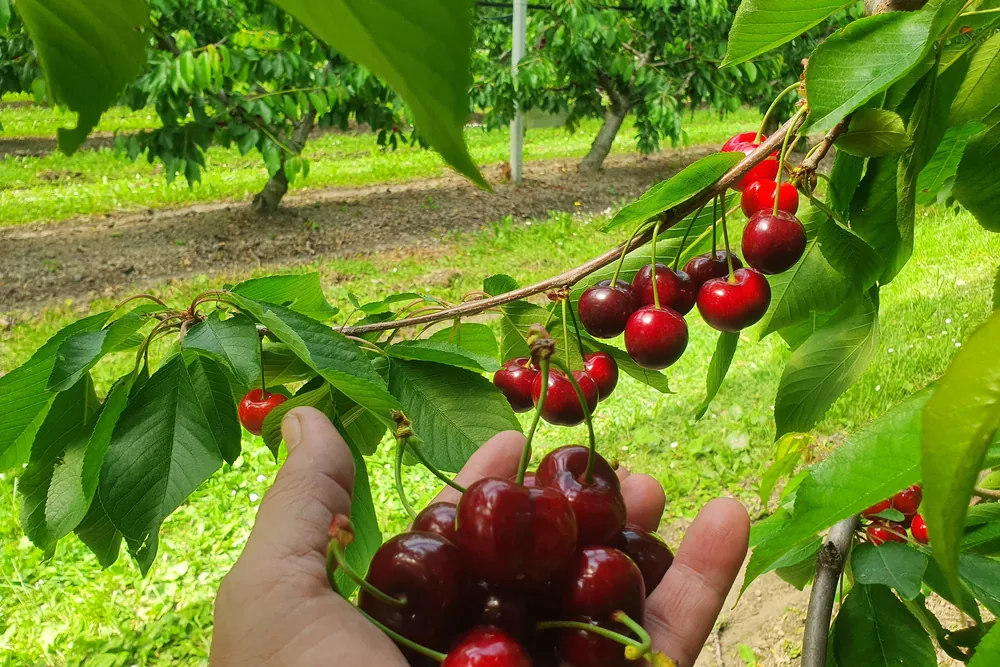
Despite the expected decline in production, Tru-Cape reported positive quality results. The first fruit reached sizes of up to 30 millimetres and has a high sugar content.
The smaller crop also allows more attention to be paid to harvesting at the right stage of maturity. The company said that labour availability makes this easier, while the decline in volumes presents an economic challenge for growers.
Meanwhile, technological improvements introduced at one of Tru-Cape’s main packing facilities, located at Witzenberg Properties, are intended to improve consistency and the quality of fruit reaching the market.
The domestic market takes priority
With a smaller crop, Tru-Cape plans to prioritise its marketing programmes in the South African market, where domestic demand remains strong. Lower availability could support prices, and the company expects prices to be slightly higher than last season.
The strategy includes supplying its regular commercial partners, including Food Lover’s Market and Freshmark, and adding Pick n Pay to this season’s marketing programme.
As for exports, the company aims to increase the share of its production shipped to international markets. It exported around 15% of its crop last season and hopes to approach 20% this season.
Share of production destined for export
Share exported last season and target for the current season
Previous season About 15%
Target for the current season About 20%
Visual scale from 0% to 25%. The target for the current season is indicative: the company aims to approach 20%.
Lower product availability and the prospect of attractive prices in the domestic market will require each transaction to be carefully assessed. Logistics costs, transport risks and expected profitability will be key factors in deciding export destinations.
A season shaped by weather and commercial decisions
The early start to the South African harvest comes at a time when market timing and fruit quality are important factors in international competition. This season, however, shows that an early market window does not guarantee greater supply.
Production trends in Ceres and exporters’ ability to balance commercial commitments with a smaller crop will be key factors in the coming weeks.
For the fruit industry, this season once again highlights the importance of weather conditions during flowering and fruit set, as well as sound harvest and post-harvest management, to preserve quality and seize market opportunities.
Source: www.portalagrochile.cl
Image credit: Stefano Lugli
Cherry Times - All rights reserved