In 2026, Extremadura approved €19.59 million in extraordinary aid for cereal, cherry and honey producers. Grants reach €50 per hectare of irrigated cereals, €1,500 per hectare of cherry trees in the first tier, and €18 per hive in the first beekeeping tier. Applications will be processed automatically, and the regional government plans to bring payments forward to the end of the year.
The Regional Government of Extremadura approved €19.59 million in extraordinary aid for the cereal, cherry and beekeeping sectors in 2026. Announced on 27 October, the grants provide payments of up to €50 per hectare of irrigated cereals, €1,500 per hectare of cherry trees in the first tier, and €18 per hive in the first tier. The regional administration will process applications automatically, without requiring an initial application, and plans to make payments before the end of the year.
How is the €19.59 million in agricultural aid distributed in Extremadura?
The regional government is allocating €2 million to cherry producers and a further €17.59 million jointly to cereal growers and beekeepers. Most of the funding comes from the regional budget, supplemented by European funds.
| Total | €19.59 million | Mixed funding |
|---|
| Aid destination | Budget | Funding |
|---|
| Cherry sector | €2 million | Regional Government of Extremadura |
| Cereals and beekeeping | €17.59 million | Regional and European funds |
The European Union is contributing approximately €5.86 million, while Extremadura is providing around €13.72 million from its own funds, according to figures released by the regional department. Minor differences in the totals may result from rounding the published amounts.
EU rules allow regional funding of up to 200% of the European allocation to supplement aid for cereal and beekeeping sectors.
For every euro from European funds, the autonomous community can contribute up to two more.
Aragon, Castile and León, Galicia and Extremadura are the four autonomous communities that have reached the maximum regional contribution for these measures, according to García.
Total compensation cannot exceed 100% of the cost increase it is intended to cover. According to the regional minister, since national aid already compensates for 70% of that increase, regional funding can cover the remaining 30%.
Cereal aid in Extremadura: €30 per rain-fed hectare and €50 per irrigated hectare
Cereal farmers in Extremadura will receive €30 per rain-fed hectare and €50 per irrigated hectare, up to a maximum of 300 eligible hectares per beneficiary.
The measure aims to partly offset rising agricultural input costs, including fertilisers and fuel, which are affecting the profitability of cereal farms in 2026.
| Land type | Aid per hectare |
|---|
| Rain-fed cereals | €30/ha |
| Irrigated cereals | €50/ha |
| Maximum eligible area | 300 hectares |
| Minimum grant amount | €100 |
If a farmer has more than 300 hectares, the administration will count irrigated land first, followed by rain-fed land, until the limit is reached.
Farms with a calculated grant of less than €100 will not receive a payment.
How much will a cereal grower receive based on their area?
The individual amount will depend on the eligible hectares and whether they are rain-fed or irrigated. The following are indicative examples, before any legal limits on total compensation are applied.
| Farm area | Calculated aid |
|---|
| 50 rain-fed hectares | €1,500 |
| 100 rain-fed hectares | €3,000 |
| 100 irrigated hectares | €5,000 |
| 100 rain-fed and 50 irrigated hectares | €5,500 |
| 300 rain-fed hectares | €9,000 |
| 300 irrigated hectares | €15,000 |
The cereal profitability crisis is also keeping agricultural organisations in Castile and León mobilised. In August, more than 500 farmers called for €150 million in direct aid for cereal growers in the region, citing falling yields and persistently high production costs.
ASAJA, UCCL and UPA-COAG had already called for extraordinary aid for cereal growers, reporting harvests well below initial expectations.
Fuel costs are adding to the financial pressure on farms. According to estimates released by ASAJA, autumn agricultural work will add at least €200 million to Spain’s agricultural sector’s diesel bill in 2026.
Cherry aid: up to €1,500 per hectare and a maximum of €12,000 per producer
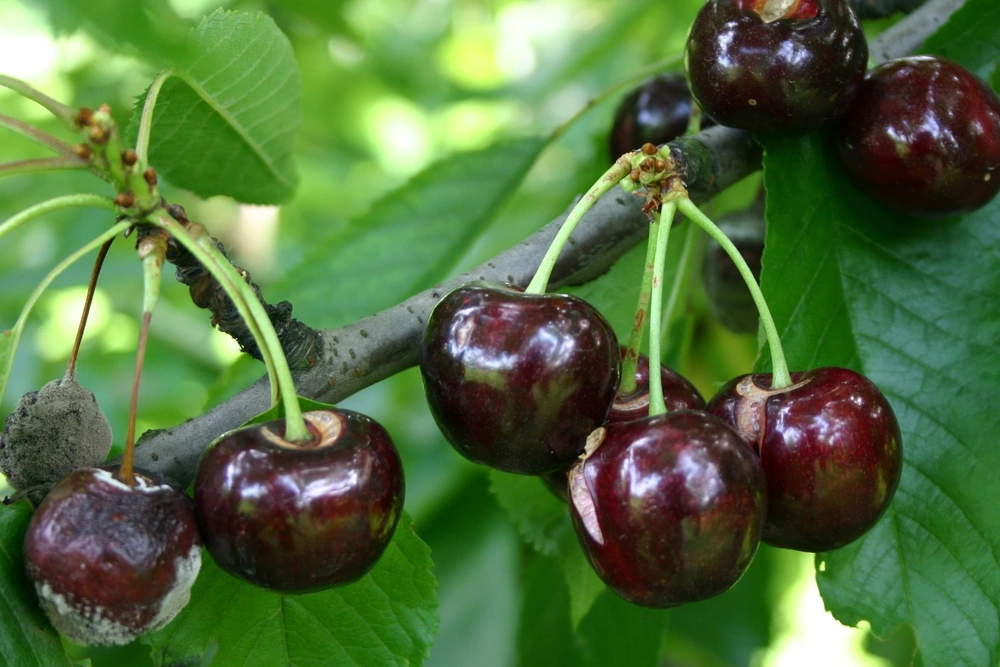
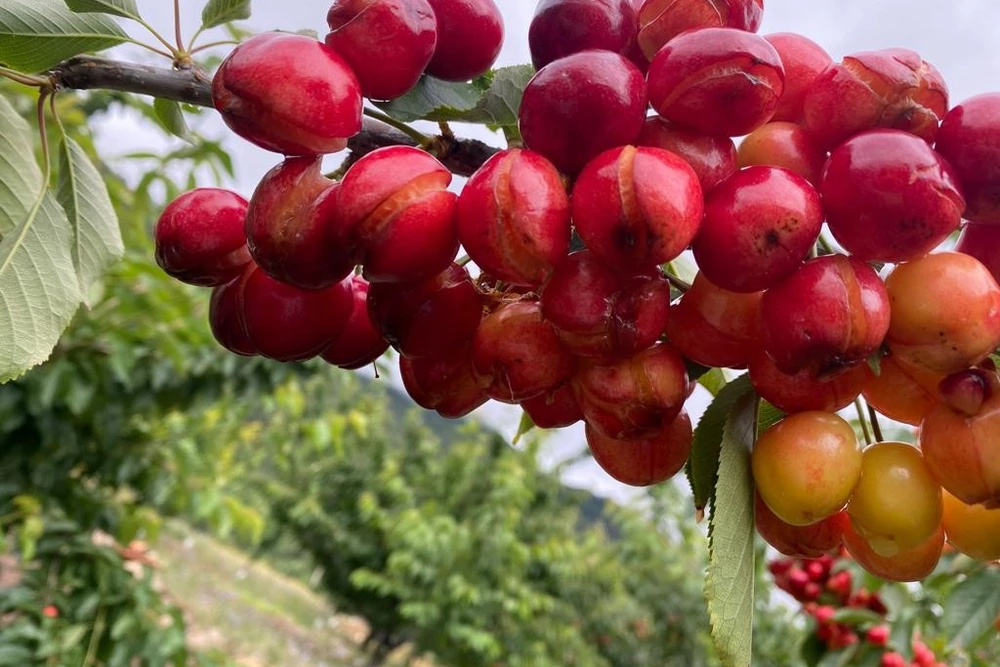
Cherry producers in Extremadura will be eligible for a €2 million extraordinary funding scheme to compensate for damage caused by spring 2026 rainfall to certain early-season varieties.
To qualify, producers must have at least 0.5 hectares of eligible varieties, accounting for more than 30% of the farm’s total cherry area.
The grant will be calculated using cumulative tiers: the first hectares will receive a higher payment, with the amount decreasing for additional land.
| Eligible area tier | Aid per hectare in the tier |
|---|
| First 2 hectares | €1,500/ha |
| Over 2 and up to 4 ha | €1,250/ha |
| Over 4 and up to 7 ha | €1,000/ha |
| Over 7 and up to 10 ha | €750/ha |
| More than 10 ha | €500/ha |
20% extra for insured producers
Farmers who took out cherry crop insurance for the 2026 season will receive a 20% increase on the calculated grant. In all cases, the payment is capped at €12,000 per beneficiary, including the increase linked to the agricultural insurance policy.
A producer with four eligible hectares would receive a base grant of €5,500: €3,000 for the first two hectares and €2,500 for the next two. If insured, the 20% increase would bring the total to €6,600, subject to the applicable conditions.
The grants will fall under the “de minimis” aid scheme. Producers will not need to document their losses individually, as the administration will check eligibility requirements automatically.
The challenges facing Extremadura’s cherry sector had already become apparent in spring. In May, producers in northern Cáceres province reported losses of more than €30 million due to rainfall, with early-season varieties particularly affected.
Beekeeping aid: €18 per hive in the first tier and up to €12,000 per beneficiary
Professional beekeepers in Extremadura may receive grants of up to €12,000 per holder, provided they have at least 150 hives and meet the administrative requirements.
Farms must be active and registered in Extremadura’s Register of Livestock Farms, Animal Identification and Traceability (BADIGEX).
Aid will be distributed across cumulative tiers, taking into account all farms belonging to the same holder.
| Number of hives | Aid per hive in the tier |
|---|
| First 350 hives | €18/hive |
| From 351 to 500 hives | €12/hive |
| From 501 to 1,000 hives | €8/hive |
| More than 1,000 hives | No additional aid |
The maximum grant is €12,000 per beneficiary, even if the tier-based calculation produces a higher amount.
Examples of aid for beekeeping farms
Under the cumulative system, the first 350 hives receive €18 each; the applicable rate is then used for hives in the following tiers.
| Hives | Calculated aid |
|---|
| 150 | €2,700 |
| 250 | €4,500 |
| 350 | €6,300 |
| 500 | €8,100 |
| 750 | €10,100 |
| 1,000 | €12,000 (maximum) |
The amounts are indicative and are subject to the conditions of the call for applications and applicable compensation limits.
The economic situation of Extremadura’s beekeeping sector had already prompted further calls for support. In July, La Unión Extremadura requested €8.71 million in aid to offset rising costs in the sector.
Other autonomous communities are also facing difficulties. In Castile and León, professional beekeepers have called for specific aid to address rising diesel costs, while the sector has reported bee mortality of up to 40% in some areas affected by bee-eaters.
COAG Merindades has renewed its call for urgent aid to prevent beekeeping farms in Castile and León from closing amid high costs and declining profitability.
How to apply for cereal, cherry and beekeeping aid in Extremadura
Farmers and beekeepers will not need to submit an initial application to access the extraordinary aid. The Regional Government of Extremadura will process cases automatically using the administrative information available.
Data sources include the 2026 CAP Single Application, the Register of Agricultural Farms and BADIGEX, which is used to identify beekeeping farms.
The procedure is intended to reduce bureaucracy and speed up the approval of grants, sparing producers from resubmitting information already available in official registers.
The use of CAP data highlights the importance of keeping farm information up to date. In Castile and León, the 2026 CAP campaign opened with an expected 60,000 single applications, reflecting the administrative scale of these support measures for agriculture.
Timetable: provisional lists, appeals and payment deadline
The procedure will begin after the decree-law is published in the Official Gazette of Extremadura (DOE). The timetable for publishing the list of beneficiaries, submitting comments and issuing the final decision will then begin.
| Stage | Announced deadline |
|---|
| Publication of the decree-law | Awaiting official publication, following the announcement of 27 October |
| Provisional lists | Within 10 working days of publication of the decree-law |
| Comments | A further 10 working days |
| Final decision | Within 2 months of publication of the lists |
| Expected payment | By 31 December 2026 |
| Final payment deadline for cereal and beekeeping aid | 28 February 2027 |
Comments and administrative follow-up will be handled through the Arado-Laboreo platform.
The regional department has said it intends to bring payments forward so farmers and beekeepers can receive the grants before the end of 2026. The final deadline for cereal and beekeeping payments, however, is February 2027.
Extremadura and Castile and León: two regions facing rising cereal and beekeeping costs
Extremadura’s aid comes amid rising agricultural costs and profitability challenges that are also affecting other Spanish producing regions.
In the cereal sector, higher fuel and fertiliser costs are reducing farmers’ margins. For beekeeping, costs also include supplementary feed for hives, travel by migratory beekeeping operations and production difficulties.
The comparison with Castile and León is particularly relevant: agricultural organisations there continue to call for financial support. On 26 October, COAG reported that the regional government’s draft 2027 budget included no specific funding for the cereal crisis.
The package approved in Extremadura is a concrete regional response, with defined payments per hectare and per hive, European and regional funding, and an administrative process handled automatically.
Frequently asked questions about Extremadura’s extraordinary aid in 2026
How much is Extremadura allocating to aid for farmers and beekeepers?
The Regional Government of Extremadura has approved €19.59 million for the cereal, cherry and beekeeping sectors. Of this total, €2 million is earmarked for cherries and €17.59 million jointly for cereals and beekeeping.
How much aid is available per hectare of cereals?
The announced aid is €30 per rain-fed hectare and €50 per irrigated hectare, with a maximum of 300 eligible hectares per beneficiary. The minimum grant amount is €100.
What is the maximum grant for cherry producers?
Cherry producers may receive up to €12,000 per beneficiary, including the 20% increase for those who took out insurance for the 2026 season.
How many hives are required to receive beekeeping aid?
At least 150 hives are required on active farms registered in BADIGEX. The grant is calculated using cumulative tiers and is capped at €12,000 per holder.
Is an application required to receive the aid?
No initial application will be required. The administration will process cases automatically using 2026 CAP information and agricultural and livestock registers. Beneficiaries should still follow the procedures for submitting comments if necessary.
When will cereal and beekeeping aid be paid?
The Regional Government expects to make payments by the end of 2026. The announced final deadline for cereal and beekeeping payments is 28 February 2027.
Where will the lists of beneficiaries be published?
Provisional lists will be published after the decree-law has been approved and officially published in the Official Gazette of Extremadura. Comments will be handled through the Arado-Laboreo platform.
Source: agronewscastillayleon.com
Image source: Agronews Castilla y León
Cherry Times - All rights reserved