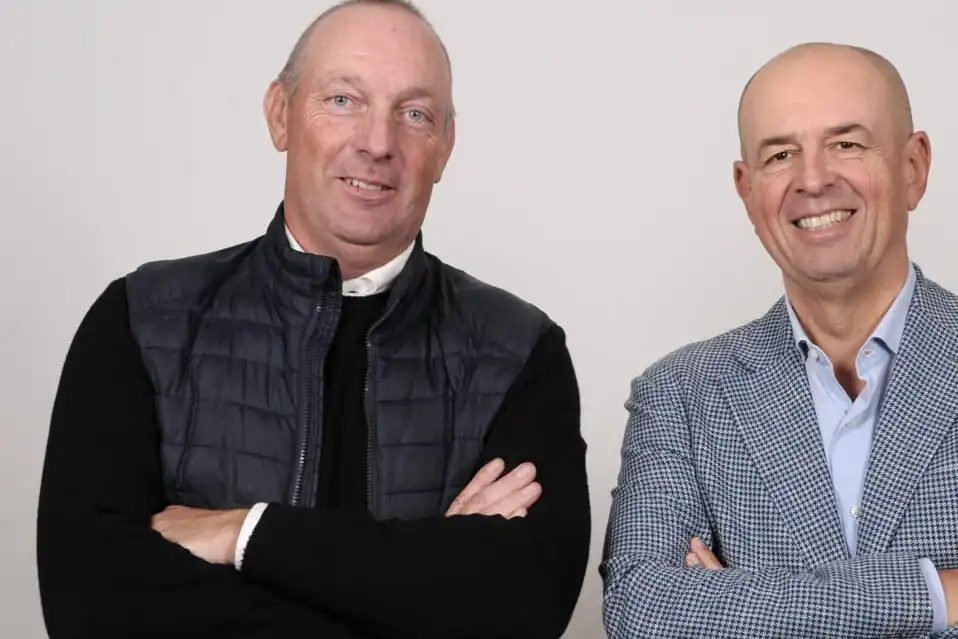
Danese Group has been active in the refrigeration systems sector for over 30 years. In this interview, Matteo Danese, President of Danese Group, analyses with Cherry Times the solutions developed for companies in the cherry sector.
What distinguishes Danese in the panorama of industrial refrigeration systems?
Our company differentiates itself in the market thanks to its ability to realise ad-hoc projects, i.e. systems custom-designed for the customer. In fact, our company does not have a list of standard supplies, but I can guarantee that every system I have designed over the years differs from the other.
To what kind of companies do you address your services and product?
Our projects are tailored to everyone, from the local producer to the growers' consortium.
Looking to the future, which aspects do you think will be of greatest development?
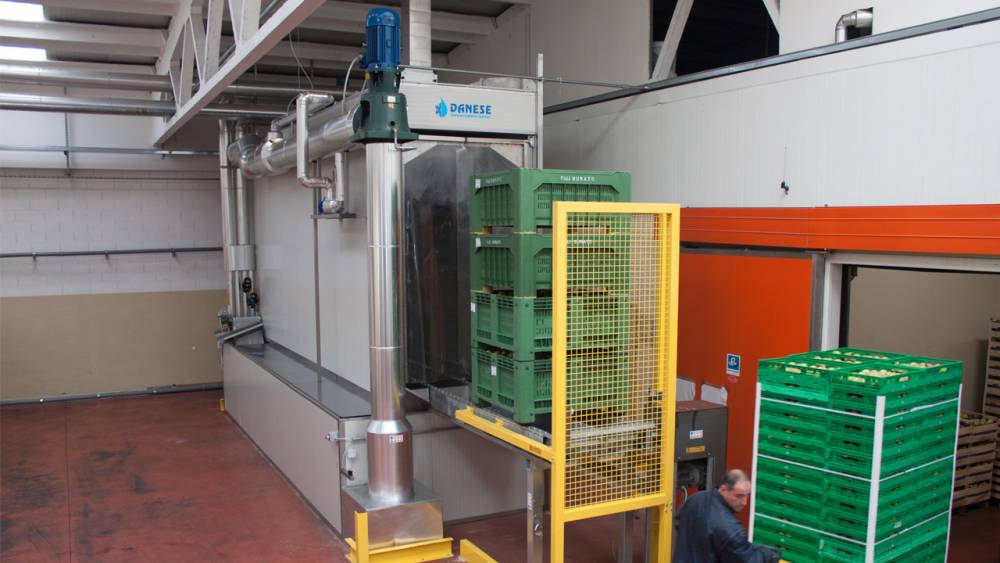
Our in-house technical department is always looking for ways to optimise and make our refrigeration and hydrocooling systems more efficient. Today, our main focus is on new refrigeration technologies to bring new energy-efficient systems.
What are the advantages and peculiarities of your products?
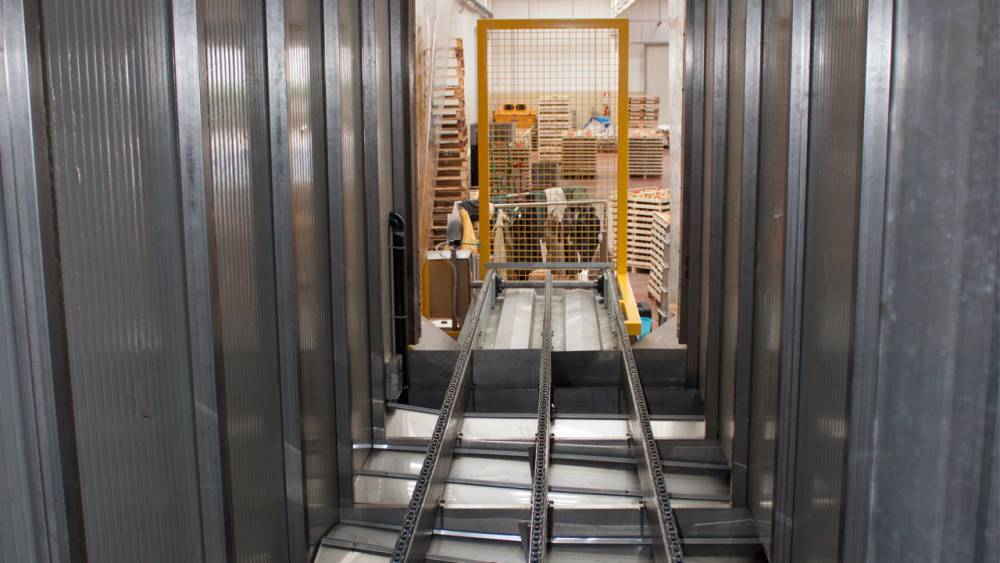
For fruit and vegetables, and for cherries in particular, post-harvest temperature management is of fundamental importance. In fact, our company is able to offer energy-efficient cooling and sanitisation services both inside the cell and in our Hydrocooling systems.
What is the contribution that a service/product such as yours can make within the cherry industry, even in terms of your area of expertise?
Our cooling systems, either through refrigeration cells or hydrocooling systems, guarantee a rapid reduction in product temperatures, which is extremely vital to the extension of shelf-life. Our customers confirm to us that, as a result of the rapid chilling achieved with our systems, they are able to expand their market to countries much further afield than before.
Contact Danese:
Web Email
Cherry Times - All rights reserved