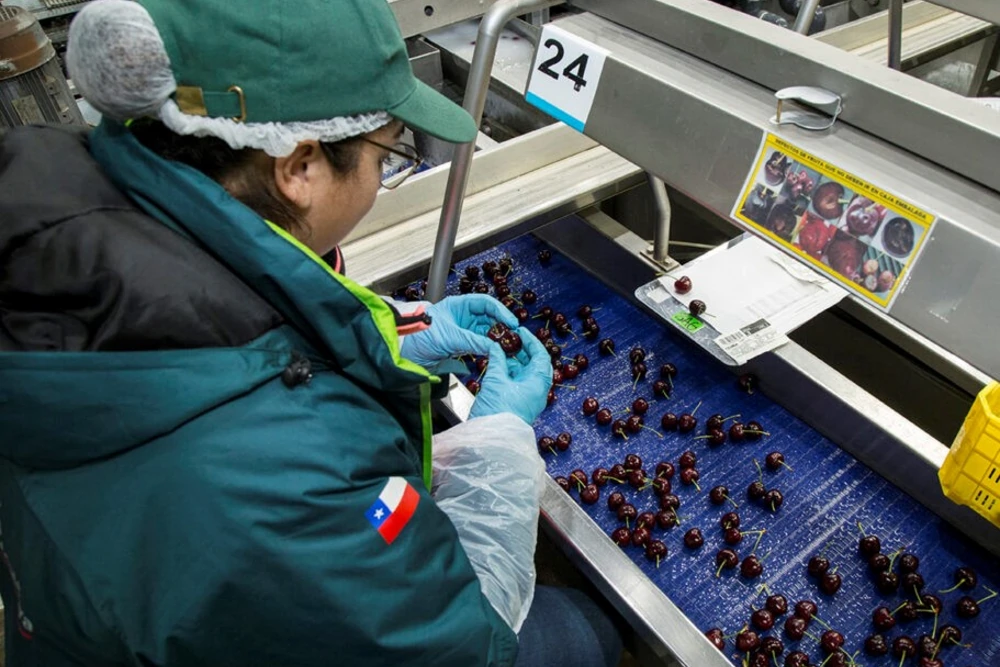
Turkish producer and exporter Alanar has decided to export only fruit from its own orchards, marking a shift from previous years when it also purchased from other growers.
Yigit Gökyigit, the company's commercial coordinator, explained that the decision was driven by the need for better quality control and to reduce financial risks. "We will no longer buy fruit as before," he stated. This year, Alanar expects to export 1,000 tons of cherries and the same amount of apricots, along with figs and a small quantity of blueberries.
The change comes in response to economic challenges in Turkey, including high interest rates and rising grower prices, which have squeezed profit margins. Gökyigit noted that producers require upfront payments, while European supermarket chains have 30-day payment terms, making operations risky. With interest rates at 6% per month, the financial strain is significant.
As a result, Alanar’s export volumes will decrease—for example, cherry exports will drop from 2,000 to 1,000 tons—but quality control will improve. "Managing our own production allows us to ensure quality and minimize losses," Gökyigit added.
Many customers appreciate the focus on high-quality, fully traceable products, even though some might be disappointed by lower volumes. Alanar aims to work with them to find solutions.
Looking ahead, Gökyigit is confident that prioritizing quality over quantity will benefit both the company and its clients. "Last season, our complaint rate was below 1%, an exceptional result. While past years have been challenging, this shift will help us run our business more effectively, even if it means exporting fewer tons of fruit."
Read full article: Fruitnet
Cherry Times - All rights reserved