RAIMUNDO CUEVAS, PATRICIO MURÚA AND LUIS AHUMADA, Abud & Cía.
Source: Redagricola
 Source: Redagricola
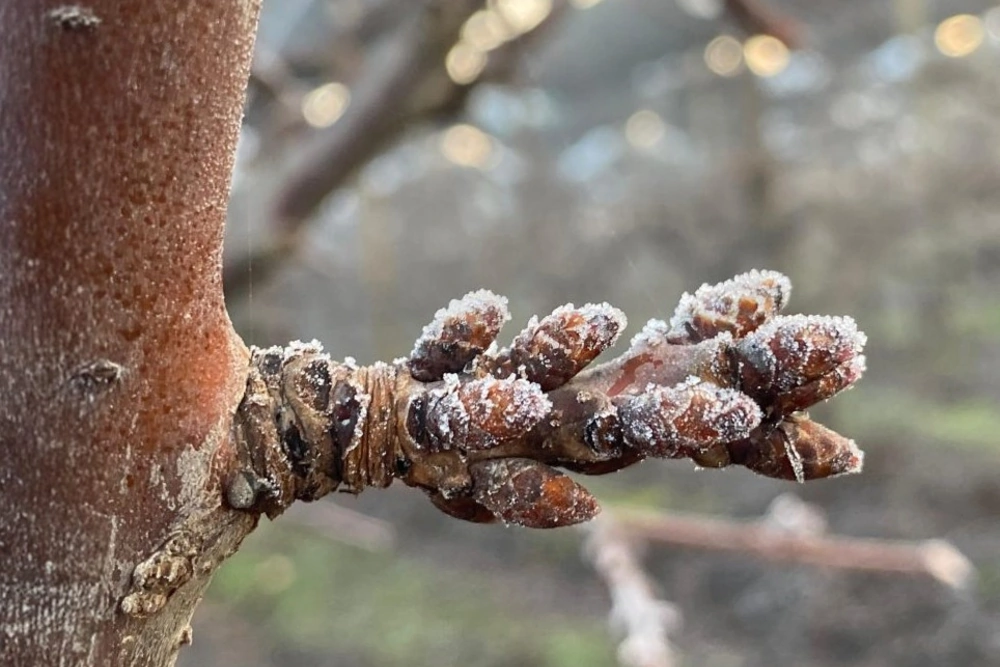
The onset of dormancy and the quality of winter rest have become strategic parameters for anticipating an orchard’s production potential. According to the Abud & Cía. team, understanding these processes makes it possible to estimate fruit load before bud break and guide the agronomic decisions that determine the balance between yield, fruit size and profitability.
In cherry production, attention tends to focus on spring, when flowering, fruit set and fruit development guide agronomic decisions. For good reason: this is the stage when much of the season’s production potential is determined.
For Abud & Cía., however, the process begins several months earlier, in autumn, when the tree starts the physiological processes that will shape its response to the demands of spring.
Critical variables are established during this period, including bud quality, the state of reserves and the ability to accumulate winter chill. The yield equation brings these elements together to estimate the orchard’s potential and guide agronomic decisions before bud break.
From this perspective, systematic data collection stops being an administrative task and becomes a management tool.
Without a technical history of the orchard, it is impossible to interpret physiological indicators correctly and accurately predict how each season will unfold.
[...]
Want to know more? The full article is reserved for subscribers to the Cherry Times newsletter! Sign up for free to receive each new exclusive in-depth article directly in your inbox and stay up-to-date with quality advice and analysis. Don't miss this unique opportunity!
Sign up for free to the Cherry Times newsletter
Cherry Times - All rights reserved