The growing demand for fruit produced using more sustainable practices is encouraging many European growers to consider converting orchards to organic production systems.
However, in the case of sour cherry information comparing organic and conventional management remains limited.
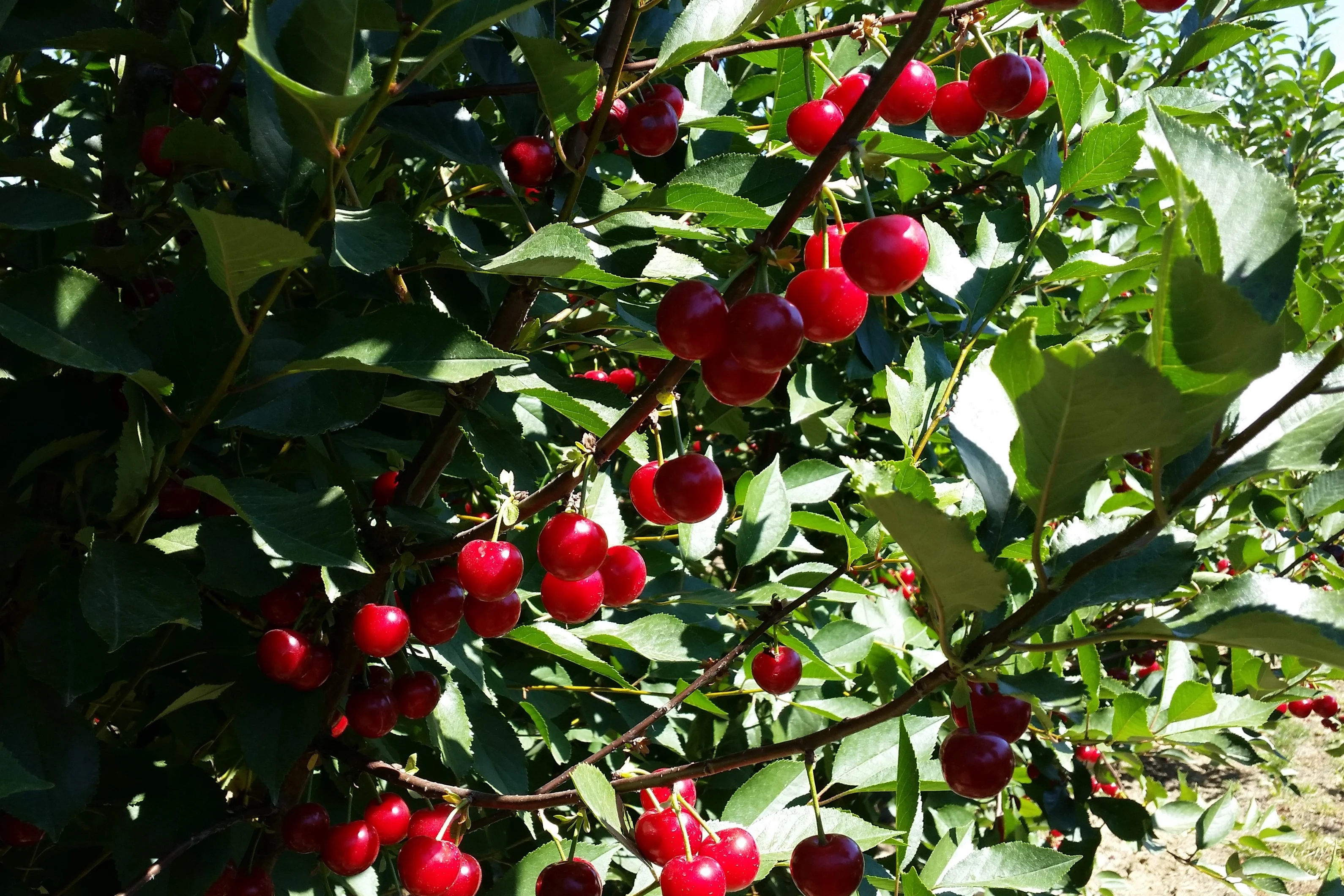
A long-term study conducted in Poland between 2009 and 2019 evaluated growth, productivity, plant health status, and fruit quality of four cultivars: ‘Kelleris 16’, ‘Oblacinska’, ‘Debreceni Bötermö’, and ‘Pandy 103’, grafted on Prunus mahaleb and grown in two separate experimental orchards, one managed conventionally and the other under organic practices.
Study objectives and setup
The objective was to assess the actual adaptability of these cultivars to organic cultivation and to identify the main agronomic constraints associated with this production system.
The results indicate that organic sour cherry production is technically feasible but presents several challenges, mainly related to plant protection and yield stability.
In the organic system, trees showed lower growth compared with the conventional system, with an average reduction in trunk cross-sectional area of about 35%.
Growth and plant health
This reduced vigor was mainly attributed to the higher incidence of pathogens and to early defoliation caused by cherry leaf spot (Blumeriella jaapii), which decreases photosynthetic capacity and negatively aZects flower bud formation for the following season.
Productivity was also lower in the organic orchard.
Over the nine production years analyzed (2011–2019), yields of organically grown trees were on average substantially lower than those recorded under conventional management, with diZerences exceeding 60% for the cultivar ‘Kelleris 16’.
For the other cultivars, yield reductions ranged between 30% and 40%.
Yield gaps and causes
The main causes of this gap were identified in the lower eZectiveness of plant protection tools allowed in organic farming against key pathogens such as Blumeriella jaapii and Monilinia spp.
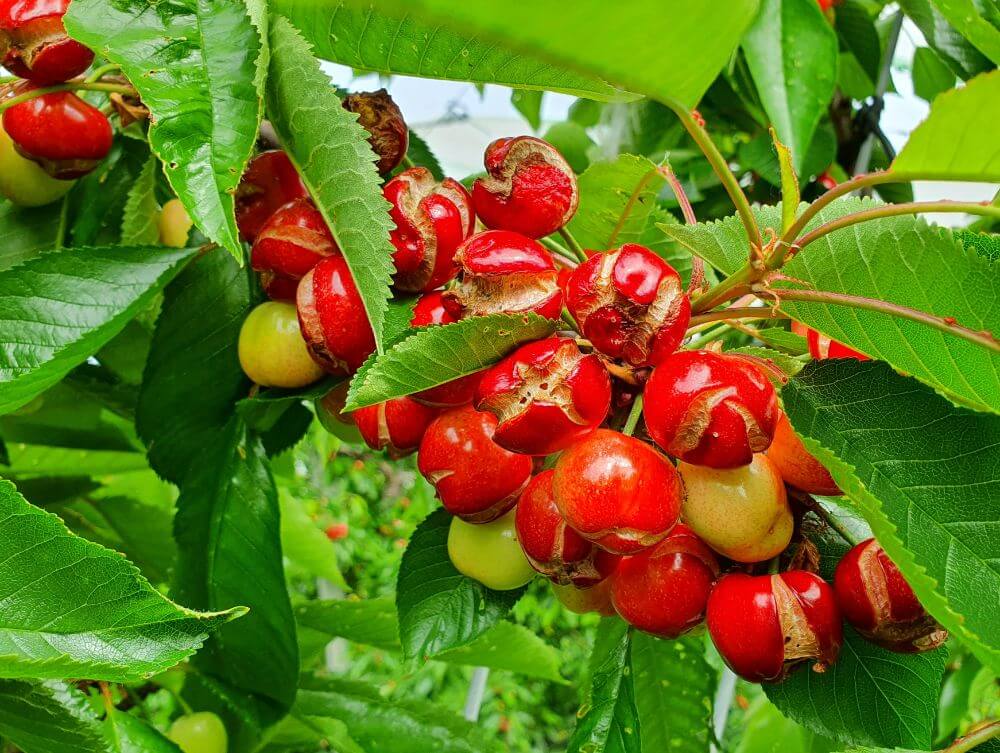
In years characterized by high rainfall, between 20% and 35% of the fruit in the organic orchard was aZected by fungal diseases.
Some insect pests, particularly the European cherry fruit fly (Rhagoletis cerasi), also caused more frequent damage under organic management.
Cultivar performance differences
DiZerences among cultivars were also observed.
‘Debreceni Bötermö’ and ‘Pandy 103’ showed lower susceptibility to the main fungal diseases and therefore better adaptability to the organic system, whereas ‘Kelleris 16’ proved particularly sensitive both to cherry leaf spot and to frost damage, making it the least suitable cultivar for organic production under the climatic conditions of central Poland.
‘Oblacinska’ displayed relatively high yields but greater susceptibility to certain pathogens and to attacks by the cherry fruit fly.
Climatic conditions played an important role in yield variability and disease development: spring frosts, rainfall during flowering, and rainy summers favored disease development and reduced fruit set.
Fruit quality characteristics
From a qualitative perspective, fruits harvested from the organic orchard generally had lower average weight but tended to be firmer.
DiZerences in fruit size were attributed to the eZect of mineral fertilization in the conventional system.
Among the cultivars studied, ‘Pandy 103’ and ‘Debreceni Bötermö’ produced the largest fruits, while ‘Oblacinska’ showed smaller fruits but with a relatively high soluble solids content.
Conclusions and implications
Overall, the study highlights that organic sour cherry cultivation can represent an interesting opportunity due to the higher market value of organic products, but it requires careful cultivar selection and targeted management strategies to reduce disease and pest pressure.
In particular, identifying cultivars that are more tolerant to pathogens and better adapted to low-input systems represents a key priority for improving the sustainability and profitability of organic sour cherry orchards in Poland.
Source: Głowacka, A., Rozpara, E., & Hallmann, E. (2025). Growth and yield of four cultivars of sour cherries (Prunus cerasus L.) grown in organic and conventional systems. Agriculture, 15(24), 2535.
Image source: Stefano Lugli
Andrea Giovannini
PhD in Agricultural, Environmental and Food Science and Technology - Arboriculture and Fruitculture, University of Bologna, IT
Cherry Times - All rights reserved