Cherry Production to Increase by 10% in 2024
As of June 1, 2024, cherry production for the current season is estimated at 37,000 tons, marking a 10% increase compared to 2023, despite the adverse weather in May. All regions will experience this increase. The start of the marketing campaign is in line with last year, with the bad weather having reduced market supply and keeping prices high, above the five-year average.
2024 Production Expected to Increase Compared to Previous Year
As of June 1, cherry production for 2024 was estimated at 37,000 tons, a 10% increase compared to the previous year and a 21% increase compared to the average harvest from 2019 to 2023.
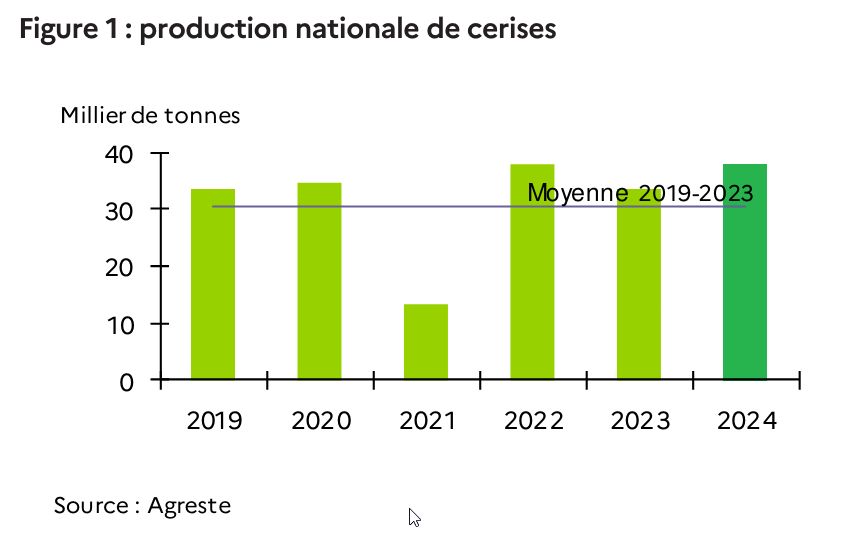 Image 1: French national cherry production from 2019 to 2023 (in thousands of tons)
Production Increase in All Regions
In Occitania, the deterioration in fruit quality following the bad weather in May has sometimes led to a halt in the harvesting of early varieties, which were the most affected. However, a production increase of 12% compared to last year is expected.
In Auvergne-Rhône-Alpes, the bad weather in May also damaged cherries (split fruits, lack of firmness), forcing growers to conduct significant sorting to market the fruits. Since the load on the trees is satisfactory, especially for late firm-fleshed varieties, a total production increase of 10% compared to the previous year is expected.
In Provence-Alpes-Côte d'Azur, despite losses due to the bad weather in May, a volume increase of 9% year-on-year is expected.
| Estimates as of June 1, 2024 | Occitania | Auvergne-Rhône-Alpes | Provence-Alpes-Côte d'Azur | France |
|---|
| Production Area | Total area (thousands of hectares) | 1.4 | 2.4 | 2.3 | 7.3 |
| 1-year change (in %) | 1 | -4 | -1 | -2 |
| 5-year change (in %) | -2 | -6 | -2 | -3 |
Production
| Total production (thousands of tons) | 7.2 | 11.5 | 13.7 | 37.0 |
| Cherries | 5.9 | 10.9 | 8.0 | 28.6 |
| Produced for industry | 1.4 | 0.6 | 5.7 | 8.4 |
| 1-year change* | 12 | 10 | 9 | 10 |
| 5-year change** | 14 | 11 | 40 | 21 |
| Previous year (annual agricultural statistics) ** variation compared to the average for the period 2019-2023 (annual agricultural statistics). |
Prices Supported by Reduced Supply at the Start of the Season
In May 2024, cherry prices remained stable compared to the previous year, with a level 6% higher than the five-year average. This level was reached in a context of limited market supply at the beginning of the season. The bad weather slowed down the start of the season and forced sorting, reducing the marketed volumes of early varieties. Demand was also affected by the cool weather and high retail prices of early cherries.
According to market data from St Charles (66), volumes from Spain halved compared to the previous year and are in line with the average of the last 5 campaigns.
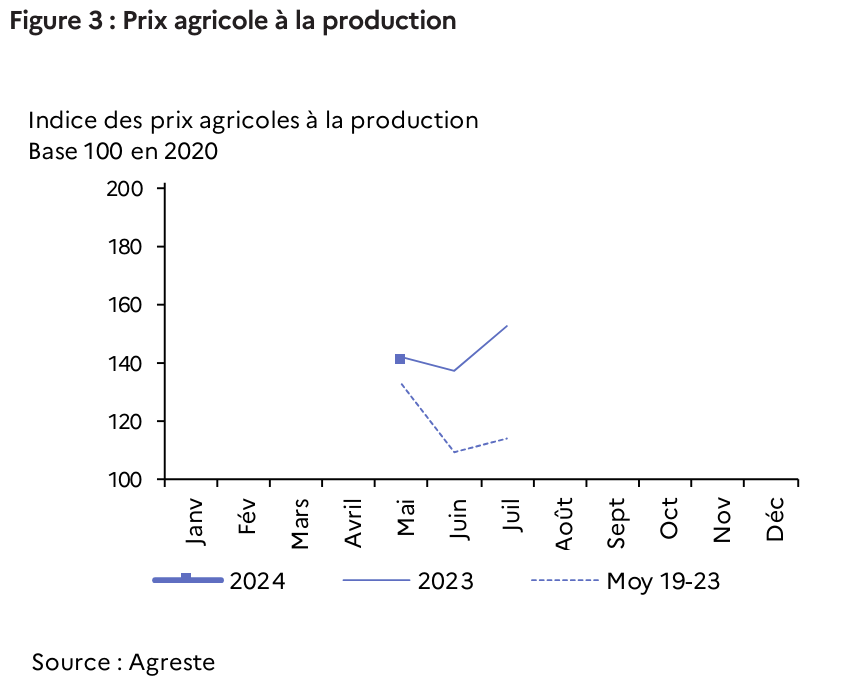 Image 2: Index of agricultural producer prices.
Sources, Definitions, and Methodology
Cherry production forecasts are estimated from regional samples of quantitative and qualitative observations from multiple sources. They are published assuming no further significant events will affect the final harvest. The latest forecasts were made on June 1, based on data collected at the end of May.
The conjunctural survey on cherries covers 3 regions, representing 81% of national production in 2023:
- Occitania: 17% of national production in 2023, mainly in Languedoc, Roussillon, and the Garonne Valley (Tarn et Garonne);
- Provence-Alpes-Côte d'Azur (PACA): 36% of national production in 2023;
- Auvergne-Rhône-Alpes: 28% of national production in 2023, mainly in the Rhône Valley.
Not all departments in a surveyed region are necessarily surveyed. The results for the surveyed departments are extrapolated from last year’s Annual Agricultural Statistics (SAA) data to represent the region as a whole. For unlisted regions, extrapolations are also made to estimate the entire national territory.
Changes in cherry production prices paid to producers are measured by the agricultural producer price index (Ippap).
Source: Laurent Bernadette, Maurine Lousteau, Cerise. En 2024, une production de cerises en hausse de 10%, Commercialisation, surface et production pour la campagne 2024, Agreste, Fruits, N° 2024-69, https://agreste.agriculture.gouv.fr/agreste-web/download/publication/publie/IraFru2469/2024_69inforapCerise.pdf.
Images: Agreste
Cherry Times - All rights reserved