Stefano Lugli, SL Fruit Service
Chair of Cherry Times technical-scientific committee
For an in-depth look at the topics of varietal innovation and modern commercial development strategies for new cherry varieties, Stefano Lugli (SL) of Cherry Times interviewed James Calissi (JC), former manager of the Canadian company PICO and now owner of Calissi Farm, a company specialising in nursery and management of new varieties.
SL. Can you briefly tell us about your career path?
JC. I was born on a fruit farm growing apples and cherries in Kelowna, British Columbia, Canada. I now own that farm, but over time I turned it into a nursery. I started managing intellectual property in fruit crops 20 years ago, as general manager of what is now Summerland Varieties Corp. While working there, I started the commercial development of the Staccato® cherry variety and the Ambrosia® apple variety. After a number of years, I left and started my own business of marketing new Canadian cherry varieties from the University of Guelph.
In the sector in which you operate, fruit growing, the introduction of product and process innovations are indispensable to ensure competitiveness, profitability and sustainability for companies. Speaking of product innovations in the cherry tree, what characteristics (parameters) should a new cherry tree variety have to position itself at the top of the chain (production, trade, distribution, consumption)?
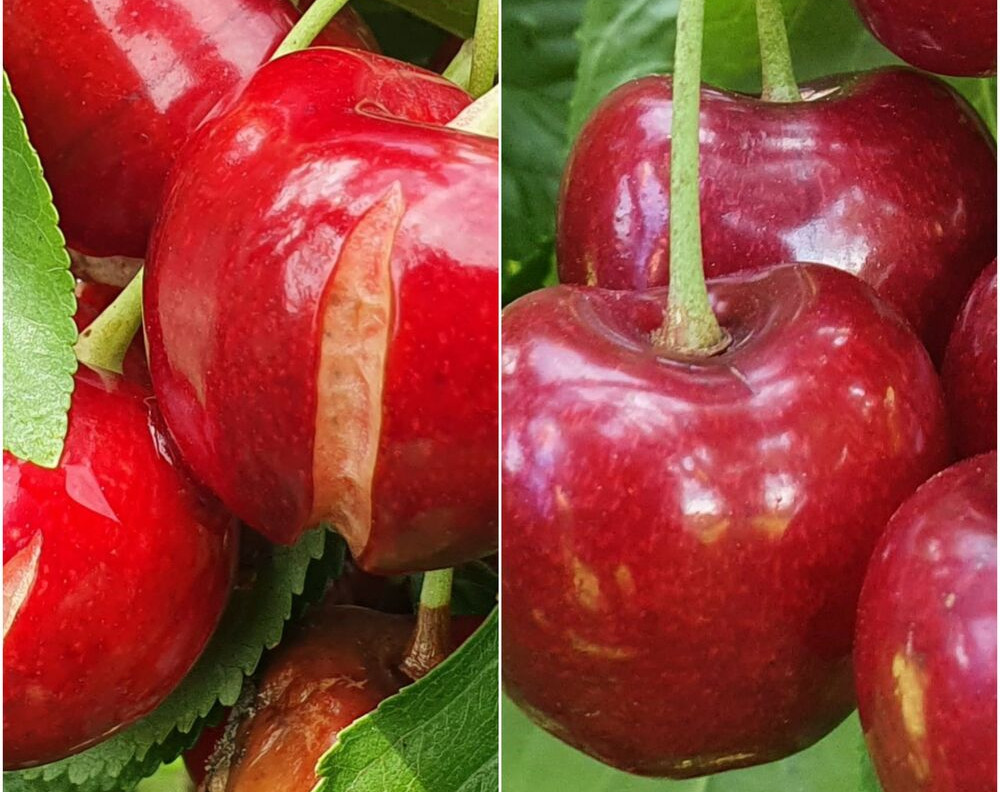
There are many existing varieties that are good and new varieties have to exceed a certain level of quality if they are to be successfully introduced into the supply chain. The consumer needs a visual appeal to decide on his initial purchase. Therefore, fruit size and the green colour of the cherry stalks are a must. Gauges of 30 millimetres are now the new standard for fruit size.
For a repeat purchase, the fruit must also taste good. Fruit firmness, flavour and sugar level are the main characteristics a consumer is looking for. A minimum of 75 on the Durofel is the new standard for firmness, while degrees Brix should be 18 or higher...
Want to read the exclusive interview with James Calissi? Subscribe to the Cherry Times newsletter!
These in-depth articles will be available only to our most loyal readers. Want access? Sign up for our free Cherry Times newsletter! This is the only way to receive each new article from this column directly in your inbox and stay updated with high-quality advice and analysis. Don't miss this unique opportunity!
Sign up for the Cherry Times newsletter for free!
Source: Calissi Farm
Image: Calissi Farm
Cherry Times - All rights reserved