22 September 2026
Sallato C., Gary Grove e Alexandra Johnson, Washington State University Source: Fruit Matters
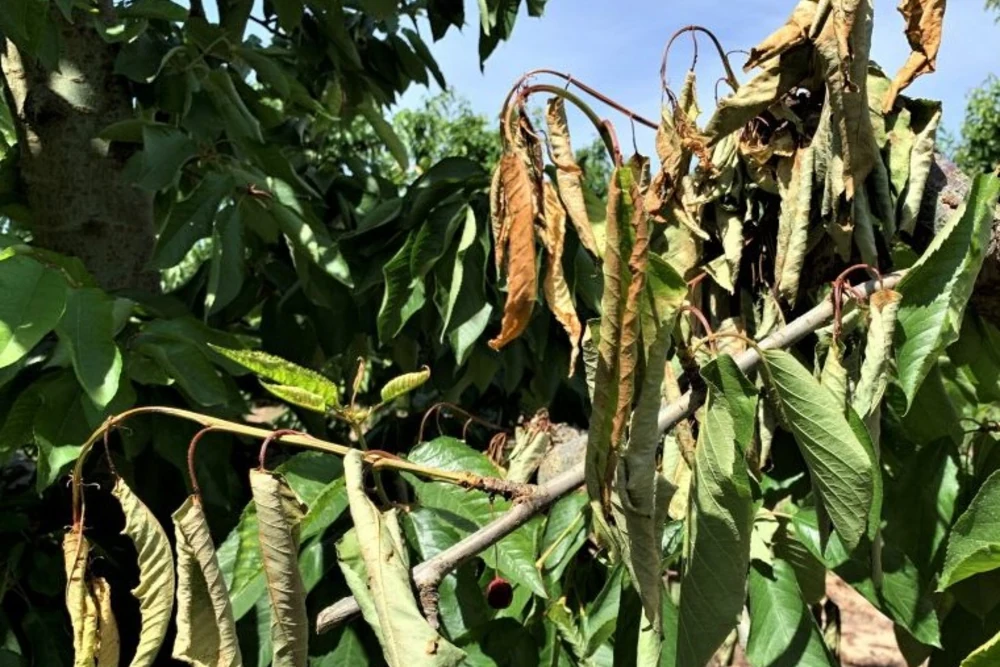 Source: B. Sallato, WSU
Bacterial canker
Bacterial canker in sweet cherries is caused by the bacterium Pseudomonas syringae pv. syringae (PSS) van Hall (Romoli, 1963, Latorre et al., 1980), and is commonly associated with production areas characterized by wet and cold weather such as western Washington, Oregon, southern Chile, among others (Latorre, 2008).
In the arid sweet cherry producing region of eastern Washington, bacterial canker was long considered of secondary importance. However, in recent years, the disease has been observed more frequently, especially in newer plantings.
Tree losses of up to 75% have previously been reported (Cameron, 1970), with up to 60% incidence (proportion of trees affected) in 2021, in young orchards in WA.
The apparent increase in disease levels observed in WA can be attributed to several factors, with the seemingly most evident being the high susceptibility of the cultivar ‘Coral Champagne’. Released in 1984, ‘Coral Champagne’ has been gaining popularity over the last decade in WA and was the third-leading cultivar ordered in 2012.
Disease factors
Additional factors influencing bacterial canker infection include extreme weather conditions and irrigation practices. For example, in 2021, a frost event with temperatures below freezing impacted many tree fruit orchards in eastern WA during the month of April, followed by cool and wet conditions, ideal for P. syringae growth.
Record high temperatures in June that continued throughout the summer lead to additional plant stress and increased susceptibility to infection. The presence of other diseases, such as Little Cherry Disease (LCD) or Verticillium Wilt can further predispose trees to infection by PSS.
This article responds to the needs of many WA growers for additional information on bacterial canker caused by PSS and provides an overview of the disease, management practices for WA sweet cherry growers, and guidelines to better diagnose the disease and prevent confusion with other threatening diseases affecting WA sweet cherry industry.
[...]
Want to know more? The full article is reserved for subscribers to the Cherry Times newsletter! Sign up for free to receive each new exclusive in-depth article directly in your inbox and stay up-to-date with quality advice and analysis. Don't miss this unique opportunity!
Sign up for free to the Cherry Times newsletter
Cherry Times - All rights reserved