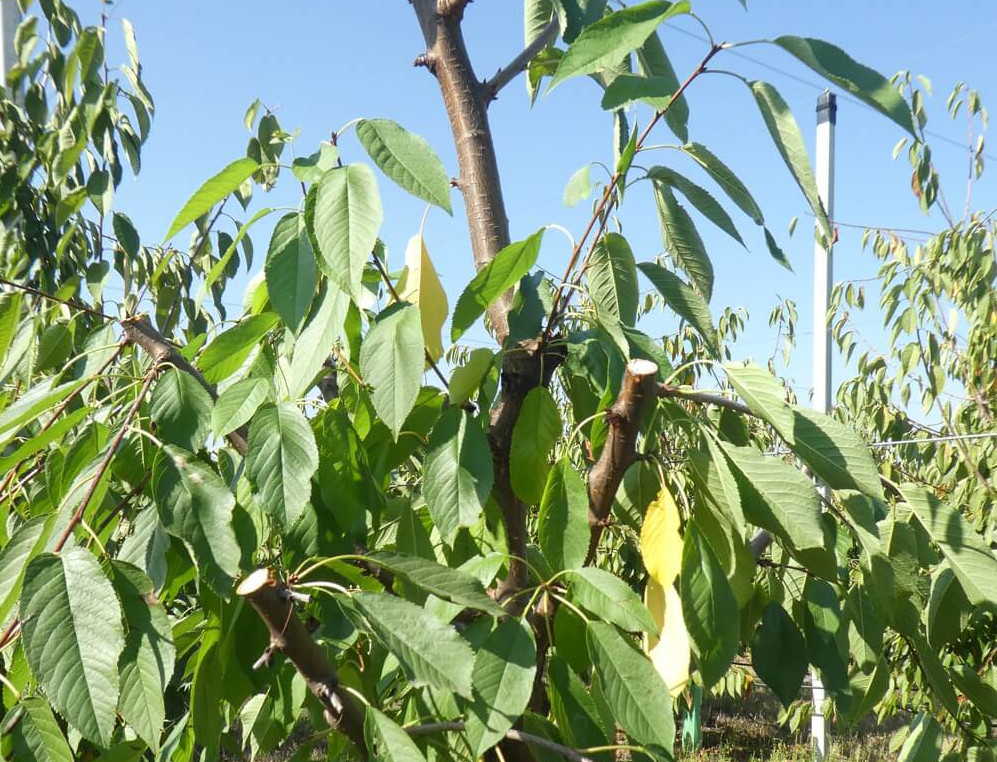
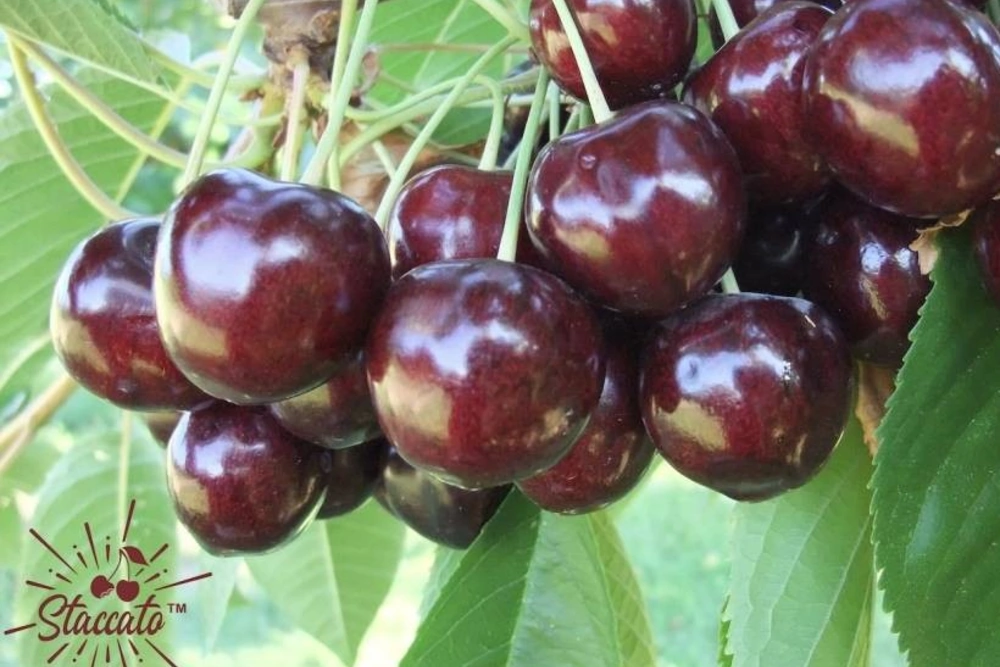
Summerland Varieties Corp. (“SVC”) has announced that Agriculture and Agri-Food Canada (“AAFC”) and SVC have resolved their litigation with Monson Fruit Company (“Monson”) in the United States District Court for the Eastern District of Washington concerning the Staccato® cherry trees and cherries marketed and sold as “Glory” or “Omega”.
This settlement resolves a complicated legal battle lasting more than six years that included: a successful bench trial in 2024 establishing that “Glory” is Staccato®, reinstatement of the Staccato® patent, and a stipulation made by Monson that “Glory” infringes the Staccato® patent.
With a September 14, 2026, trial date fast approaching, Monson agreed to settle the dispute by paying substantial past and future royalties on Staccato® trees, which funds will be reinvested into AAFC’s tree fruit development program.
Restrictions on propagation
Monson also agreed not to export fruit outside of the United States through 2032 and may not propagate any new Staccato® trees through 2029.
This settlement represents a significant and successful outcome for Canada, and follows settlements secured last year with the other defendants that required destruction of unauthorized Staccato® trees and an assignment of the “Glory” patent to AAFC.
Settlement licensing proceeds will support continued research and development that benefits Canadian agriculture, the breeding program responsible for developing innovative tree fruit varieties such as Staccato®, and growers around the world.
This investment will help sustain the long-term work required to develop, evaluate, and bring valuable new varieties to growers and markets.
Intellectual property and research
Sean Beirnes, general manager of SVC, said: “This outcome reinforces the importance of respecting intellectual property rights and obtaining proprietary plant varieties through authorized channels, and it demonstrates to Canadian taxpayers, authorized growers and other partners of Canada’s tree fruit development and licensing program that AAFC and SVC are committed to protecting the integrity of the program and their significant investments in it.”
AAFC and SVC remain committed to protecting proprietary plant varieties and supporting growers who obtain those varieties through authorized sources.
This work safeguards the value of plant breeding, encourages continued agricultural innovation and helps ensure that authorized growers can compete on a fair and sustainable basis.
Text and image source: Fruit Grower
Karen Davidson
Fruit Grower
Cherry Times - All rights reserved