CDB's proposals for new cherry tree plantings: GiSelA® rootstocks

16 May 2023
3068

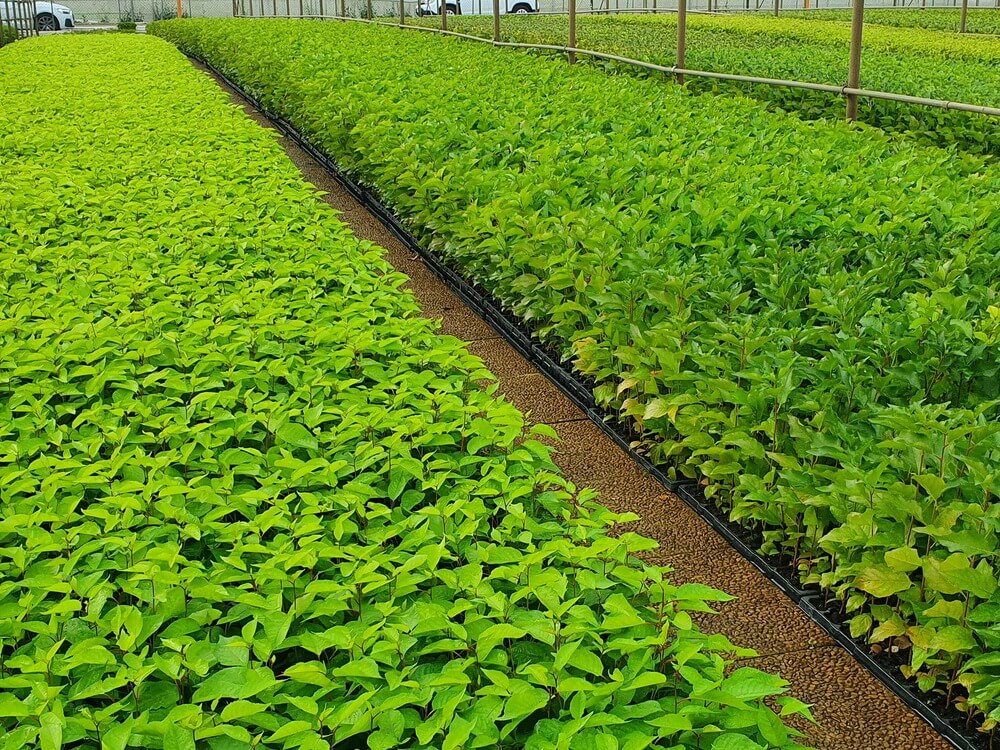
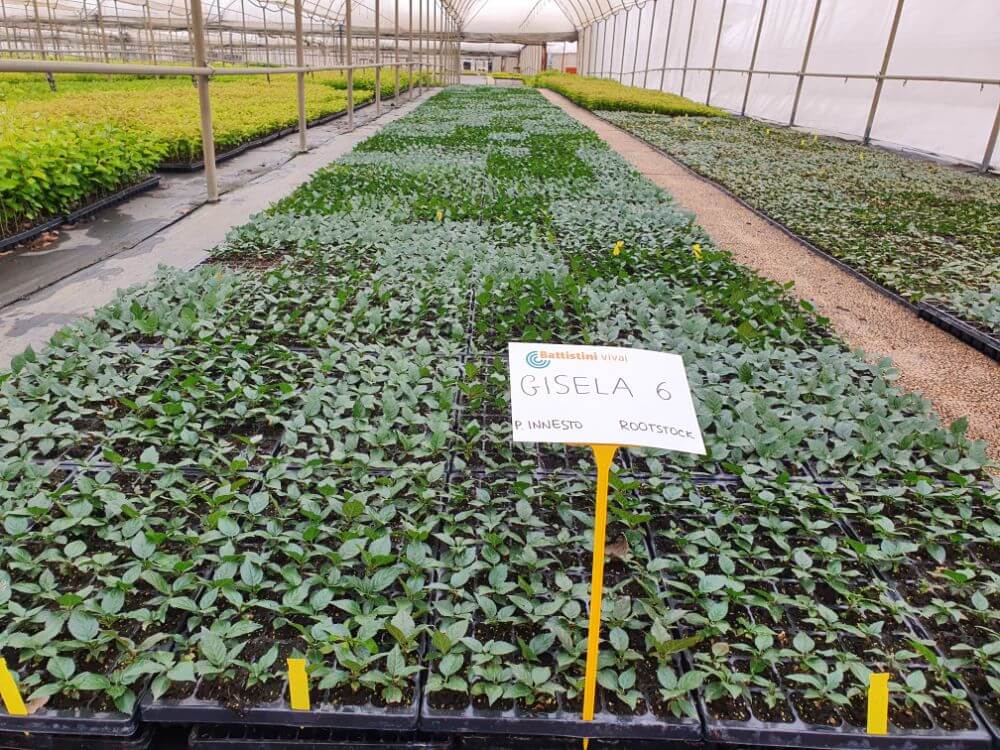
The clones of the GiSelA® series are the most widely used rootstocks in cherry cultivation in temperate climates. GiSelA® were obtained from a genetic improvement programme carried out at the University of Giessen, Germany. The aim of this project was to obtain a series of rootstocks with gradual control of tree vigour: dwarfing, semi-dwarfing and medium vigour rootstocks.

Among the major advantages of using GiSelA® are excellent earliness of fruiting and high productivity, good graft compatibility with both sweet and sour cherry varieties, regular branching with a wide growth habitus, good winter frost resistance and virus tolerance. 

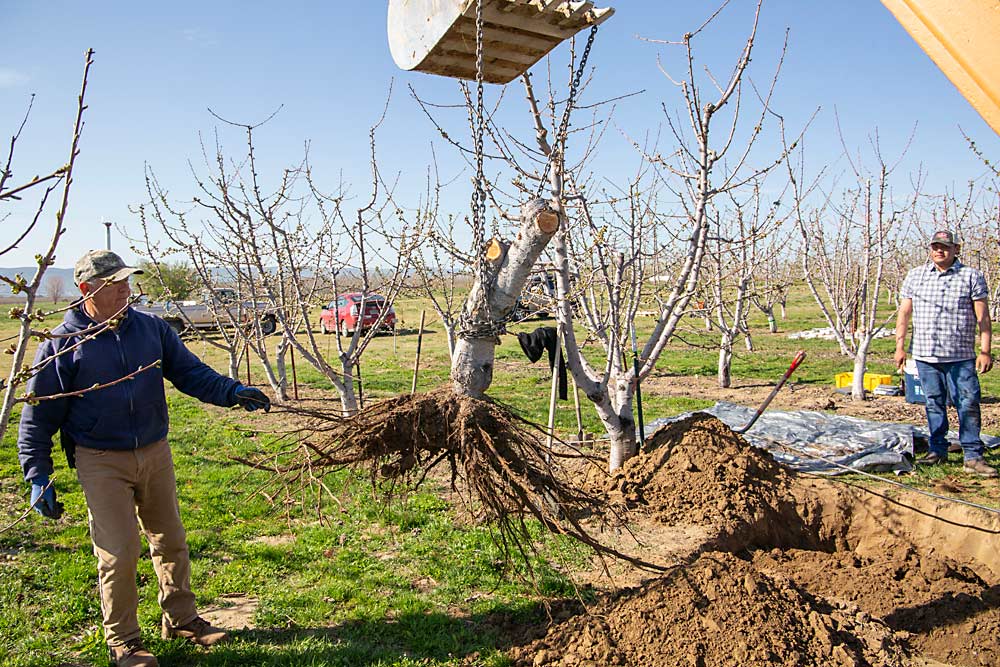
Obviously, the cultivation management of cherry trees must be adapted to the needs of GiSelA® clones: as they are very fertile rootstocks, they require early and regular pruning in order to ensure sufficient vegetative renewal. In addition, they require high and constant water and nutrient inputs in order to ensure good fruit quality combined with high productivity.

Below is the report of Johannes Feldmann, Director of the Consortium Deutscher Baumschulen - CDB, presented at the workshop on cherry varietal innovation at Macfrut 2023.


Cherry Times - All rights reserved

What to read next

South African cherries: acreage quadruples, production set to double in five years

Production

23 Feb 2026

South Africa’s cherry industry has quadrupled acreage from 2012 to 2024 and aims to double production within five years. Exports reach 37%, with a focus on 28 mm+ calibers and new markets such as China, amid growing climate and logistics challenges in global trade.

Beyond the fruit: the importance of the stalk in cherries

Post-harvest​

21 Mar 2024

The stalk plays a crucial role. Understanding the mechanisms of water loss through the stalk can help develop strategies to minimise stalk dehydration and preserve the post-harvest quality of sweet cherry fruits.

In evidenza

Sweet cherry resilience to abiotic stresses: the role of HSP proteins

Breeding

21 Aug 2026

A genomic study identifies 17 HSP70 and HSP90 genes in sweet cherry and explains how they respond to heat and salinity. The results highlight key genes, including PavHSP90-5, that could support breeding of cultivars with resilience to climatic and environmental stress.

The nitrogen/phosphorus balance is crucial for the proper preservation of cherries

Post-harvest​

21 Aug 2026

A study in southern Chile shows how mineral nutrition, especially the balance between nitrogen and phosphorus, may influence internal browning in Regina sweet cherries, postharvest quality and the fruit’s ability to withstand long storage periods for export markets.

Tag Popolari