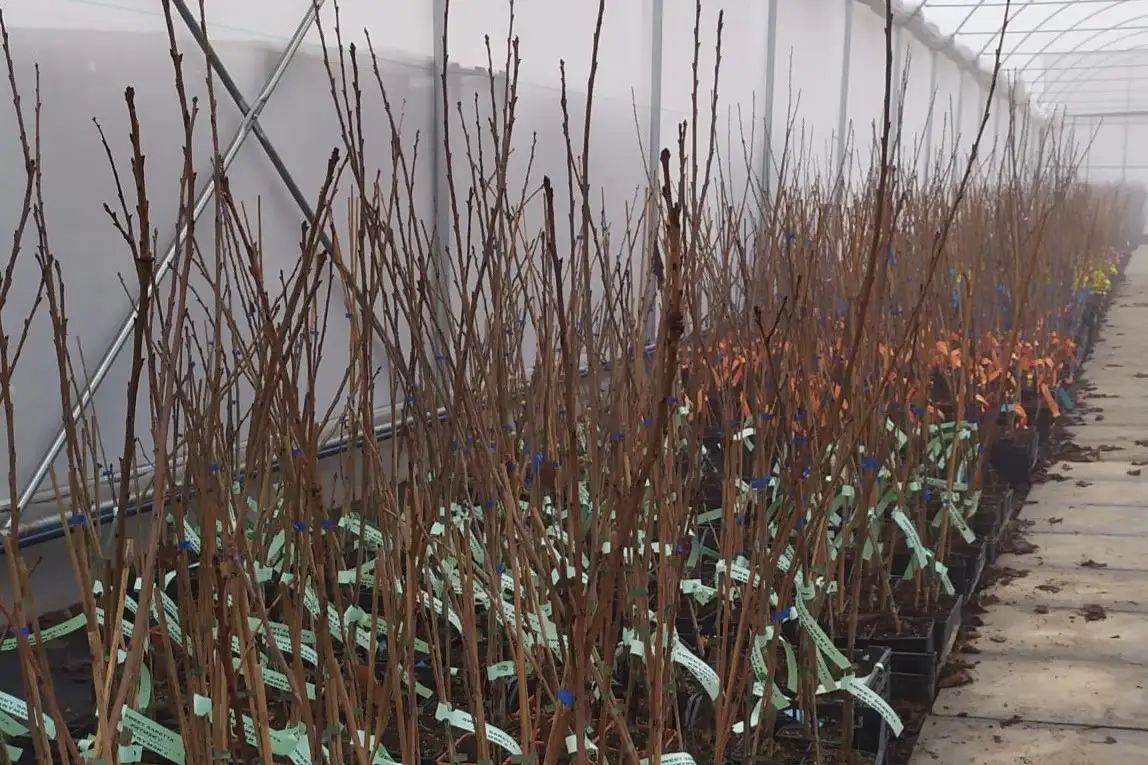
Climate uncertainty is making this one of the most challenging seasons for Chile’s cherry industry. Walter Masman, a cherry-growing consultant, told Portalfruticola.com that the combination of recurring rainfall, low temperatures, limited solar radiation and excess soil moisture is creating difficulties for both tree development and fruit quality.
“This is probably the most complicated season so far,” Masman said. Successive weather events are forcing growers to continually review their agronomic management strategies.
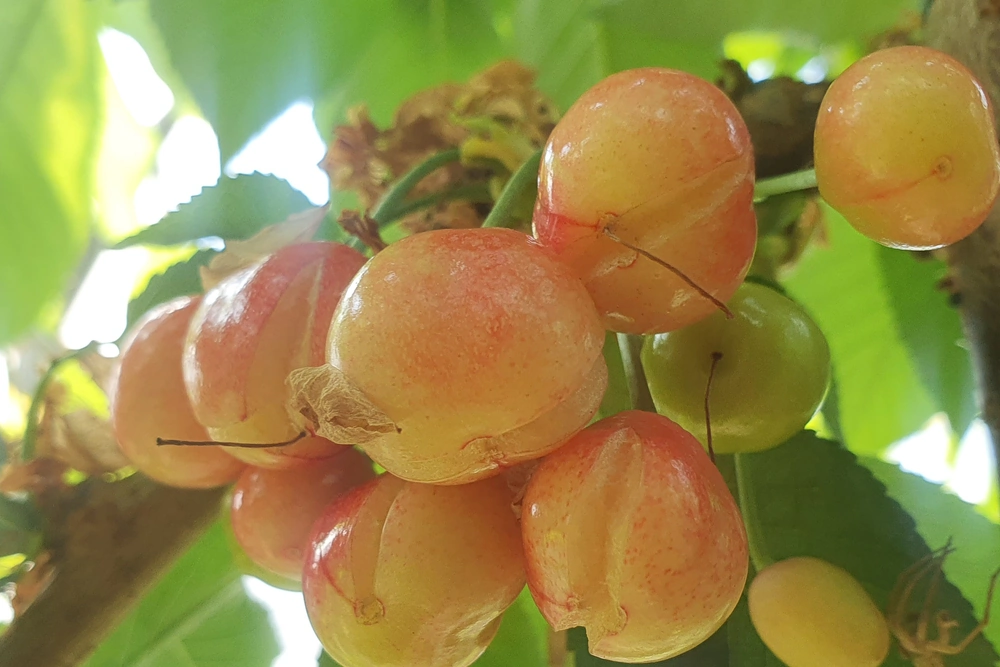
He explained that weather conditions are also affecting the trees’ physiological behaviour, causing problems such as cherry cracking, possible fruit drop and difficulties in reaching the maturity parameters required by the industry.
Persistent cloudy days are adding to these challenges, reducing the availability of solar radiation and affecting photosynthesis.
“Today, the tree is functioning inefficiently and, undoubtedly, this results in a product that does not meet the parameters we are looking for,” Masman said, referring to indicators such as Brix levels, firmness and dry matter accumulation.
A production outlook that remains uncertain
One of the industry’s main challenges is determining how much the volume of cherries available for export could decline.
It is important to note that by mid-October, the production potential was already relatively clear and could be close to 130 million boxes, based on fruit set.
The consultant warns, however, that this figure should not be confused with the volume that will be actually packed.
“Every weather front starts to bring that number down,” he said.
He added: “The difference is significant, because fruit that has set will not necessarily reach harvest in marketable condition or meet the quality standards required for export. Losses caused by cracking, ripening problems and other weather-related effects could significantly change the initial estimates.”
Production potential as of mid-October
About 130 million
potential boxes. The estimate does not correspond to the volume that will actually be packed.
Potential losses for the Santina variety
15–20%
A hypothetical scenario in the event of further rain during the first week of November; it is not a confirmed estimate.
Timeframe for updating the outlook
The next 15 days
The exportable volume estimate will depend on weather developments and any further rainfall.
In this context, Masman believes it is too early to make a definitive forecast for the season, especially since forecasts still point to the possibility of further rainfall in the coming weeks.
estimated losses of 15–20%. He stressed, however, that this is a hypothetical scenario, not a confirmed estimate.
Agronomic management under pressure
In this situation, growers are advised to proceed cautiously and adjust management decisions according to weather developments and the response of each orchard.
The consultant explained that high soil moisture makes it essential to carefully assess irrigation and fertilisation requirements. Some orchards may need reduced water inputs, while those with cover systems or roofs may have different needs and should be assessed individually.
Given the limitations on applying fertilisers to the soil, Masman highlighted the importance of complementing the strategy with foliar applications and biostimulant products that support plant function.
“Today, the aim is to make as few mistakes as possible,” the consultant said, stressing that decisions should take into account both the fruit’s stage of development and the forecast weather risks.
Weather developments will be decisive
Masman warned that a possible end to the rainfall could be followed by a sharp rise in maximum temperatures, creating a new challenge for the trees and for fruit that is still ripening.
For this reason, continuous monitoring of weather conditions and adapting agricultural practices will be essential in the coming weeks.
In conclusion, he said that the ability to make a more accurate forecast of exportable volume will depend largely on weather developments over the next 15 days and on whether further rainfall occurs.
Source: www.portalfruticola.com
Image credit: Stefano Lugli
Macarena Bravo
Portal Fruticola
Cherry Times – All rights reserved