A study conducted in the Turkish district of Sultandağı shows how cherry quality affects prices, marketing channels and profitability. Fruit size, colour and firmness help determine access to export and higher-value markets.
Cherry quality is not merely a technical objective to be pursued in the orchard; it is also a key factor in determining the commercial value of the product and access to different marketing channels. This is highlighted by a study conducted in the Sultandağı district, in the Turkish province of Afyonkarahisar, one of the country's main cherry-growing areas.
The research investigated the relationship between fruit quality attributes, selling prices and growers' preferences when selecting marketing channels. Based on interviews with 103 cherry-growing farms, the study identified clear market segmentation according to quality, showing how fruit characteristics directly influence commercial opportunities and growers' income.
Three quality categories for cherries
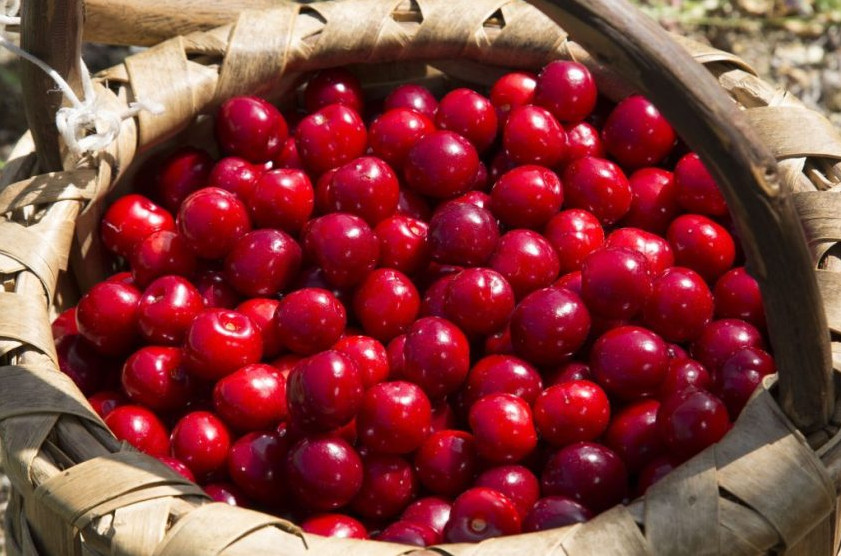
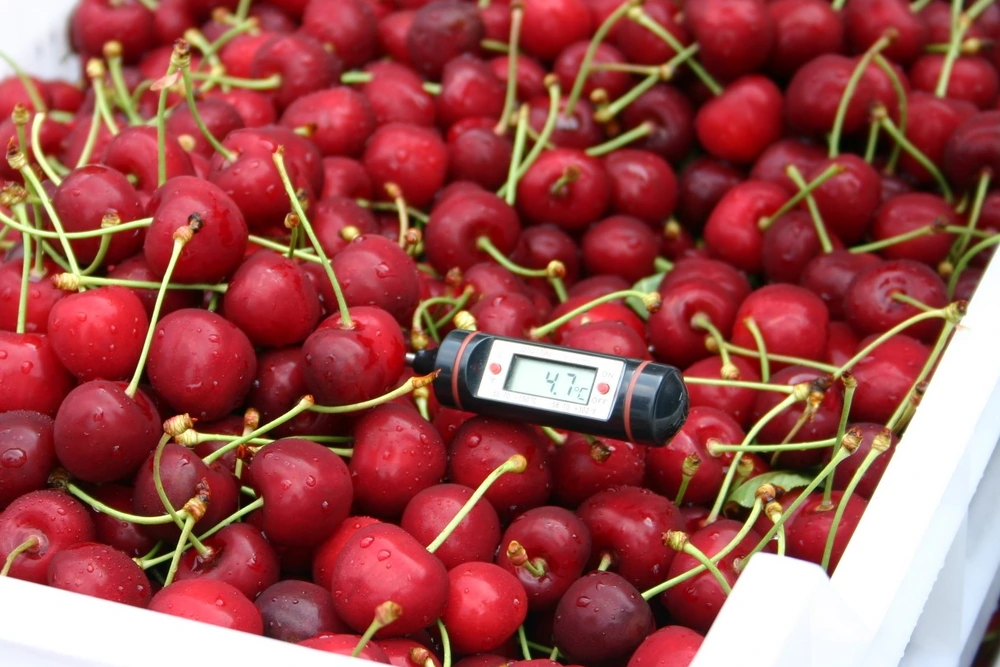
The survey classified cherries into three quality categories based on parameters such as external appearance, colour, size, flavour, flesh firmness and stem integrity. High-quality fruit is characterised by a glossy surface, dark red colour, a diameter exceeding 26 mm, high sweetness, firm flesh and a green, intact stem.
The medium-quality category includes fruit measuring 24–26 mm, with less pronounced visual and sensory attributes. The low-quality category comprises smaller cherries with softer flesh and visible surface defects or damage.
Quality shapes prices and marketing channels
The results show that quality determines a clear commercial hierarchy. High-quality cherries are mainly destined for export through exporting companies and commercial intermediaries, the channels most frequently used by growers.
In this category, the average selling price reaches TRY 54.34/kg for ‘Ziraat 0900’, TRY 53.95/kg for ‘Regina’ and TRY 52.72/kg for ‘Royal King’. Medium-quality fruit fetches considerably lower prices and faces greater difficulties in accessing international markets. It is marketed mainly through intermediaries, traders operating outside the production area and processing companies.
| Quality category | Average prices recorded | Marketing channels |
|---|
| High quality | ‘Ziraat 0900’: TRY 54.34/kg
‘Regina’: TRY 53.95/kg
‘Royal King’: TRY 52.72/kg | Mainly export, through exporting companies and commercial intermediaries |
| Medium quality | ‘Ziraat 0900’: TRY 28.57/kg
‘Regina’: TRY 28.96/kg
‘Royal King’: TRY 28.79/kg | Intermediaries, traders operating outside the production area and processing companies |
| Low quality | Generally TRY 12–18/kg | Almost exclusively the processing industry |
The situation is even more challenging for low-quality cherries, which have limited marketing opportunities and are directed almost exclusively to the processing industry. Average prices in this category generally range from TRY 12 to 18/kg, highlighting a substantial loss of value compared with higher-quality segments.
Varieties, markets and farm size
‘Ziraat 0900’, ‘Regina’ and ‘Royal King’ are predominantly destined for export, whereas ‘Gılli’, ‘Karaballı’ and ‘Akcıllı’ are marketed almost exclusively to the processing industry. Overall, 52% of the cherries marketed by the surveyed farms went to exporting companies, 20% to the domestic market and the remaining 28% to the processing sector.
The study also highlights the role of farm size. Larger farms generally obtained higher prices and showed a greater ability to access more profitable marketing channels, probably owing to their greater capacity to standardise production and manage commercial relationships.
Quality from orchard management to post-harvest handling
Improving fruit quality requires an integrated approach encompassing cultivar selection, orchard management, balanced fertilisation, irrigation and plant health management, as well as harvesting and post-harvest handling. Grading by size and colour, packaging and maintenance of the cold chain are essential to preserve fruit characteristics and meet the standards required by higher-value markets.
Quality determines not only how much a cherry is worth, but also where it can be sold. Investing in quality means adopting a production and marketing strategy capable of increasing added value, improving profitability and strengthening the competitiveness of the sector.
Source: Yılmaz, E., & Adanacıoğlu, H. (2026). “Quality-Based Marketing Channel Preferences Among Cherry Growers: A Case Study from Sultandağı, Afyonkarahisar, Türkiye.” ANADOLU Journal of Aegean Agricultural Research Institute, 36(1), 97–110. https://doi.org/10.18615/anadolu.1943823
Image source: Stefano Lugli
Andrea Giovannini
PhD in Agricultural, Environmental and Food Science and Technology - Arboriculture and Fruitculture, University of Bologna, IT
Cherry Times - All rights reserved