At COT INTERNATIONAL, breeding is not only a science — it's a passion shaped by our commitment to delivering excellence in both orchard performance and consumer satisfaction.
Our varieties are designed with growers in mind and tailored to meet the evolving expectations of global markets: high productivity, climate adaptability, and above all, outstanding flavor.
Cherry breeding: Low chilling, high standards
Cherries have long been a strategic focus of our breeding efforts, and recent advances are opening new horizons.
This year marks a major milestone with the first field observations of our low chilling cherry varieties — selections that require as little as 250 chilling hours on average.
These genetics make cherry production possible in areas with mild winters, previously considered unsuitable for the crop.
But chilling adaptation is just one part of the story.
In parallel, we are intensively selecting for firmness and cracking tolerance, two essential traits for growers and retailers alike.
Our goal is to offer cherries that are robust in the field, resilient to rain events, and deliver extended shelf life — all while maintaining the textural quality and flavor that consumers expect from a premium cherry.
Our pipeline includes varieties with excellent post-harvest behavior, balanced Brix/acid ratios, and appealing visual attributes.
Whether early or mid-season, our cherries are selected for a crisp bite, juicy texture, and aromatic depth — because taste is never optional.
For COT INTERNATIONAL, it is the foundation.
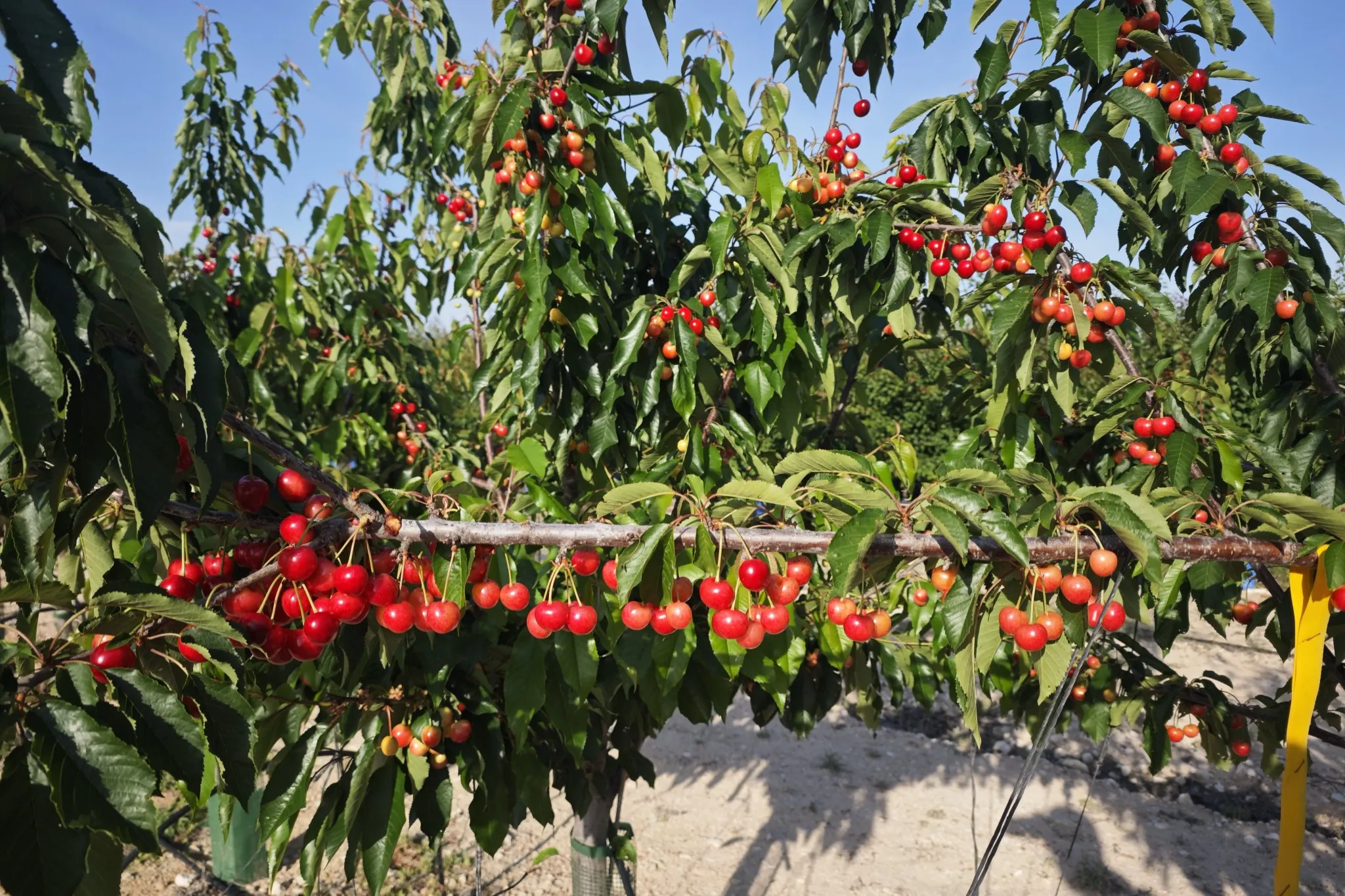 Image 1. Low chill cherries in Blanca (Murcia, Spain)
Apricots for every climate: From warm valleys to mountain orchards
Our apricot program follows the same philosophy: adaptability without compromise on flavor.
For more than 30 years, we have developed varieties suited to different climatic zones, from low chilling selections for warm winters to high chilling types for mountainous and continental regions.
We’ve introduced early and mid-season apricots that thrive in southern Europe, North Africa, and parts of Asia — combining strong yields, resistance to Sharka virus (Plum pox virus), and intense flavor.
All our apricots are also autofertile, a key trait to ensure reliable production year after year, even in suboptimal pollination conditions.
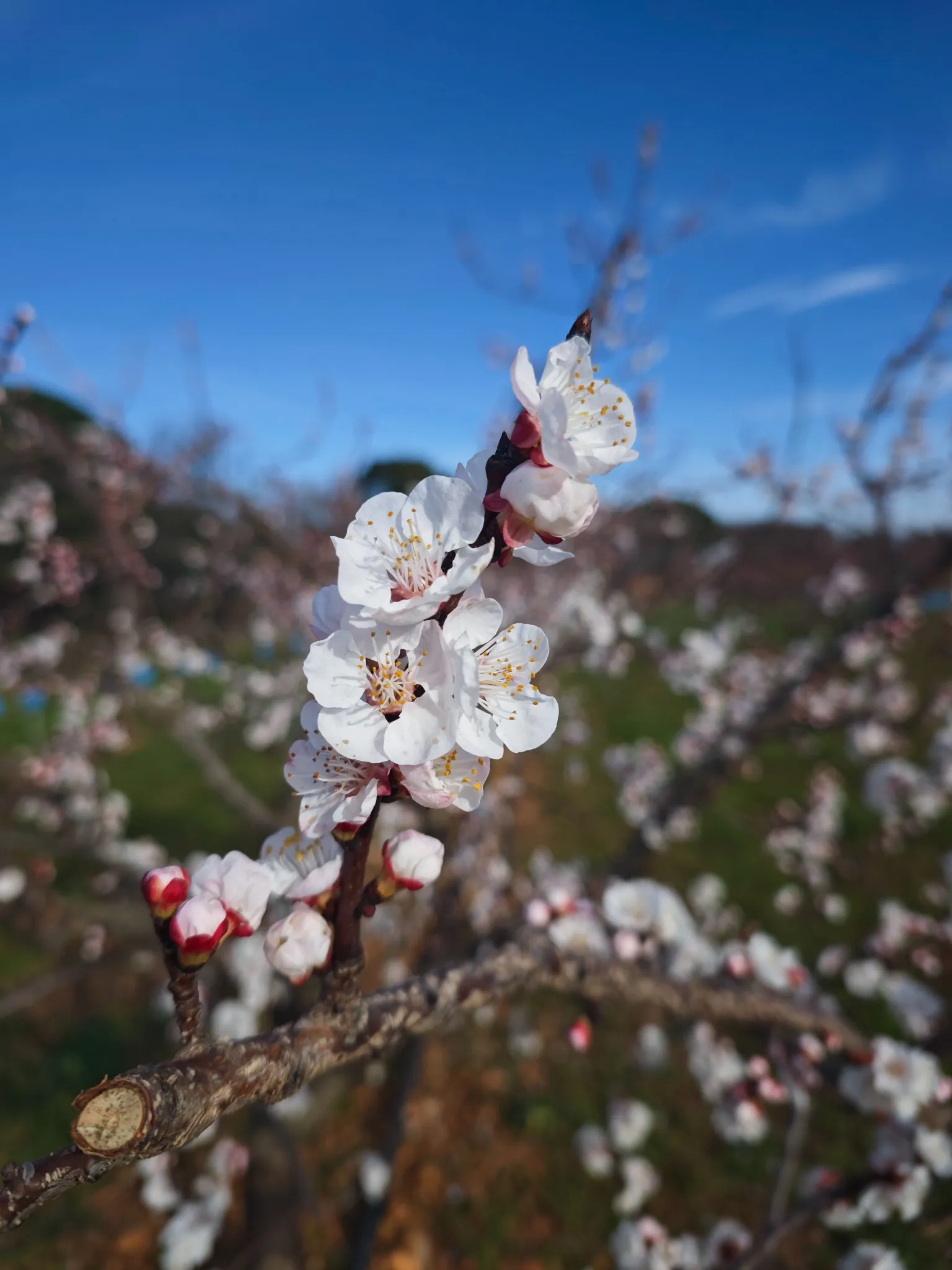 Image 2. Apricot in full blossom
At the other end of the spectrum, we proudly present WINTERCOT®, our exclusive brand for high chilling apricots (>1000 chilling hours).
These varieties are now grown successfully in high-altitude or northern regions, where apricots were traditionally absent.
With late blooming and excellent cold tolerance, WINTERCOT® opens new frontiers for apricot production.
Again, flavor leads the way.
WINTERCOT® apricots are known for their aromatic richness, firm flesh, and consistently high eating quality — meeting the expectations of modern consumers seeking authentic taste.
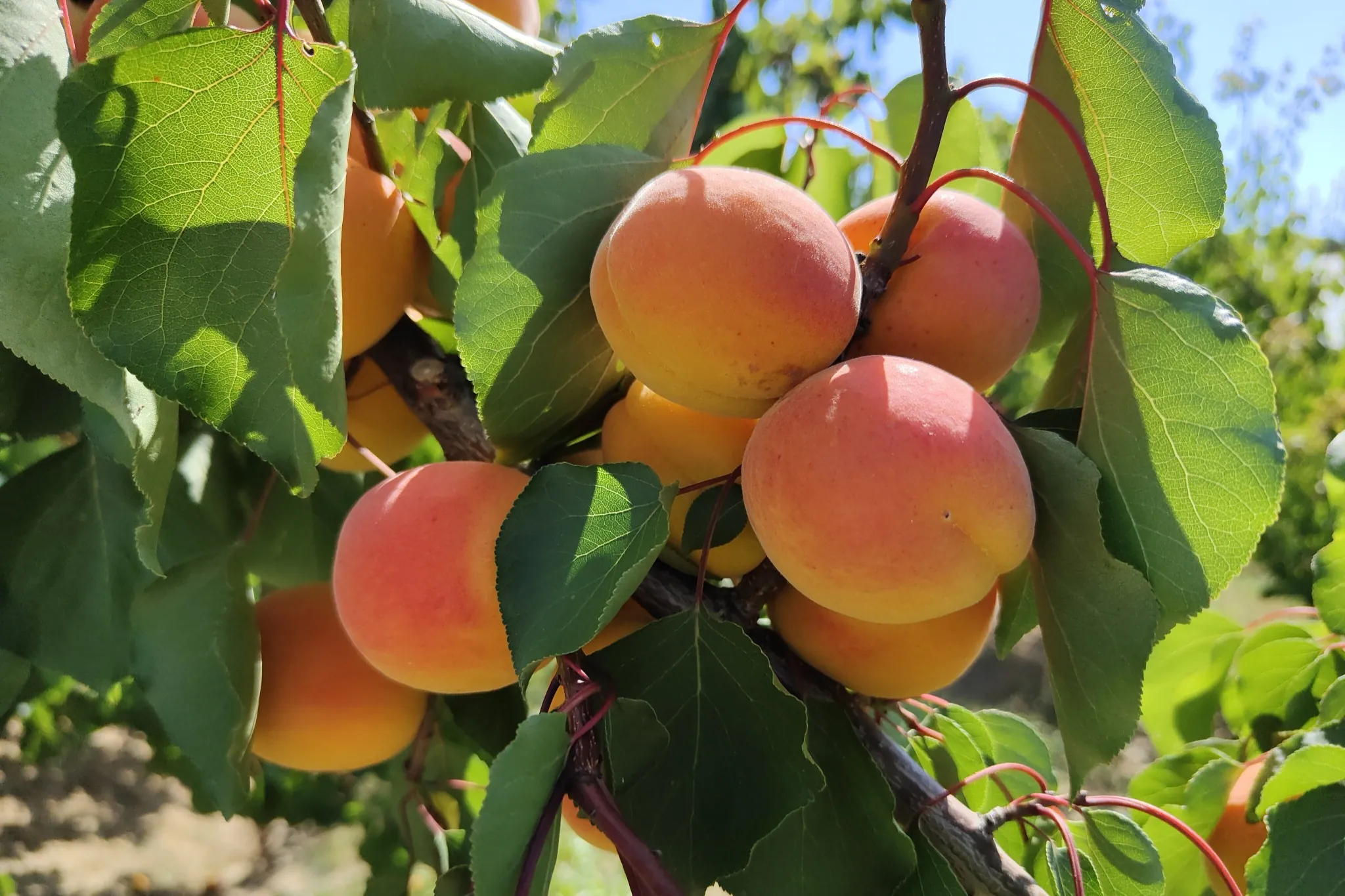 Image 3. WINTERCOT® WIN21 cov
A philosophy rooted in taste
Throughout our breeding process, taste remains the ultimate objective.
Whether for cherries or apricots, we screen hundreds of selections every year, but only a few pass the double threshold: agronomic reliability and sensory excellence.
By collaborating closely with growers and nurseries across both hemispheres, we ensure our selections perform under diverse conditions.
At the same time, regular consumer panels and tasting sessions help us fine-tune flavor, sweetness, acidity, and texture — because these are what truly differentiate a variety.
We believe the future of stone fruits lies in this balance: varieties that make economic sense for growers and create emotional value for consumers.
This is why, at COT INTERNATIONAL, we design our varieties for the growers and tailor them for the consumers.
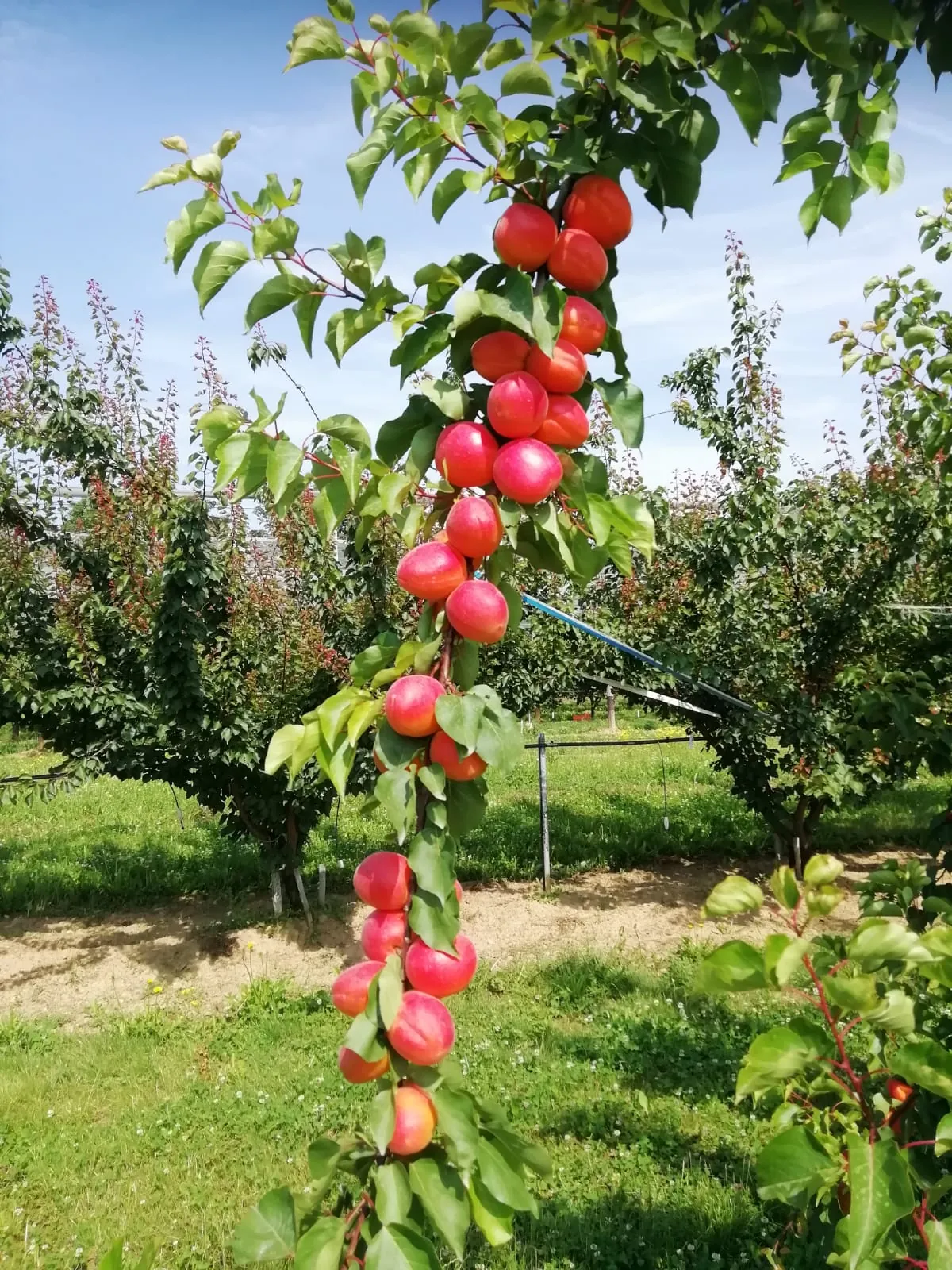 Image 4. WINTERCOT® KID COT cov
Looking ahead
With climate conditions evolving and consumer expectations rising, the demand for resilient, flavorful, and adaptable fruit varieties has never been higher.
At COT INTERNATIONAL, we continue to push the boundaries of what’s possible in stone fruit breeding — guided always by a simple but powerful idea: good fruit must taste good.
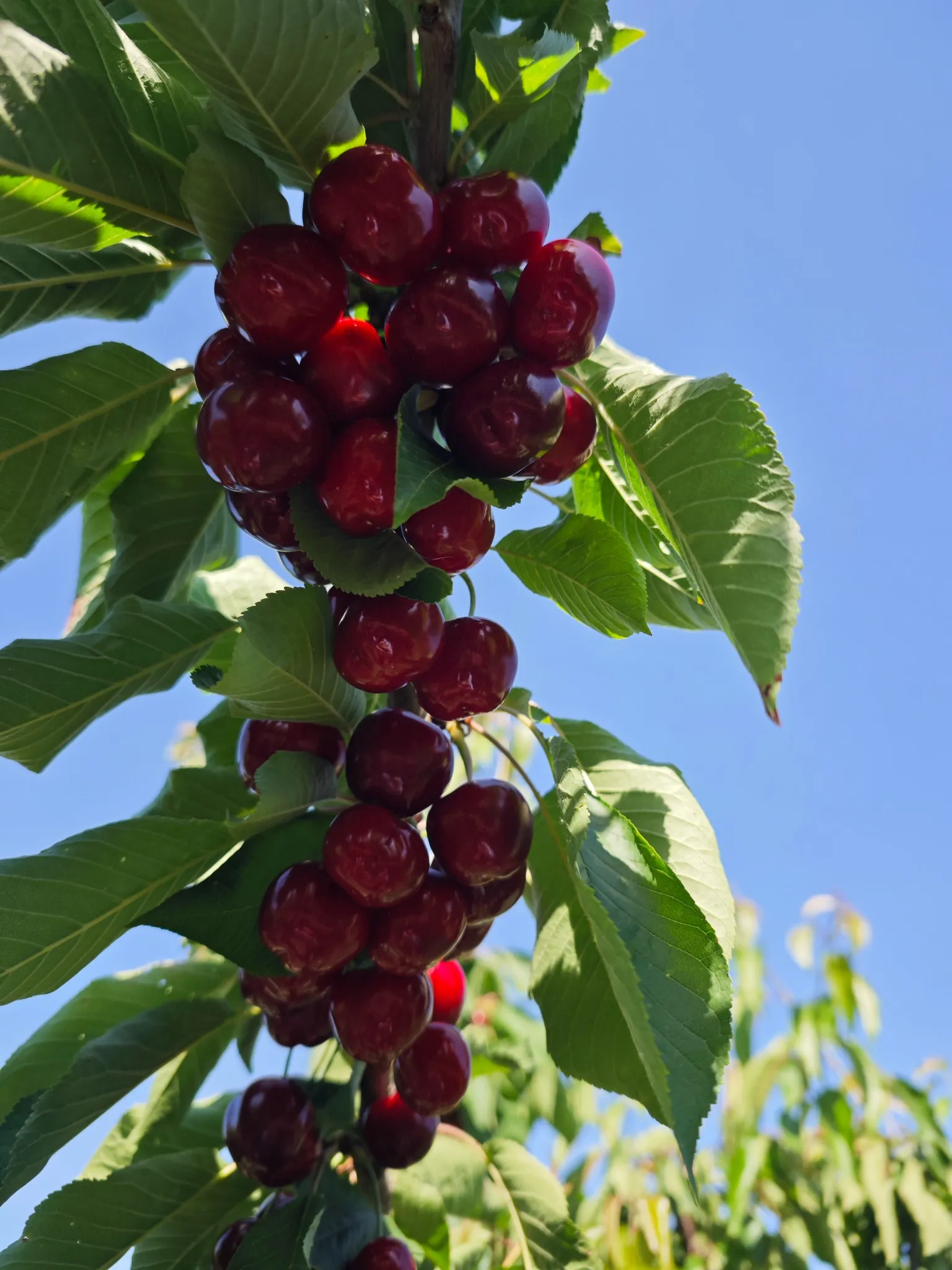 Image 5. SUN POP cov, new cherry self-fertile from COT INTERNATIONAL
Pascal Bassols-Pot
COT International
Summary of the report presented at VIP Varieties International Project of Macfrut 2025
Cherry Times - All rights reserved