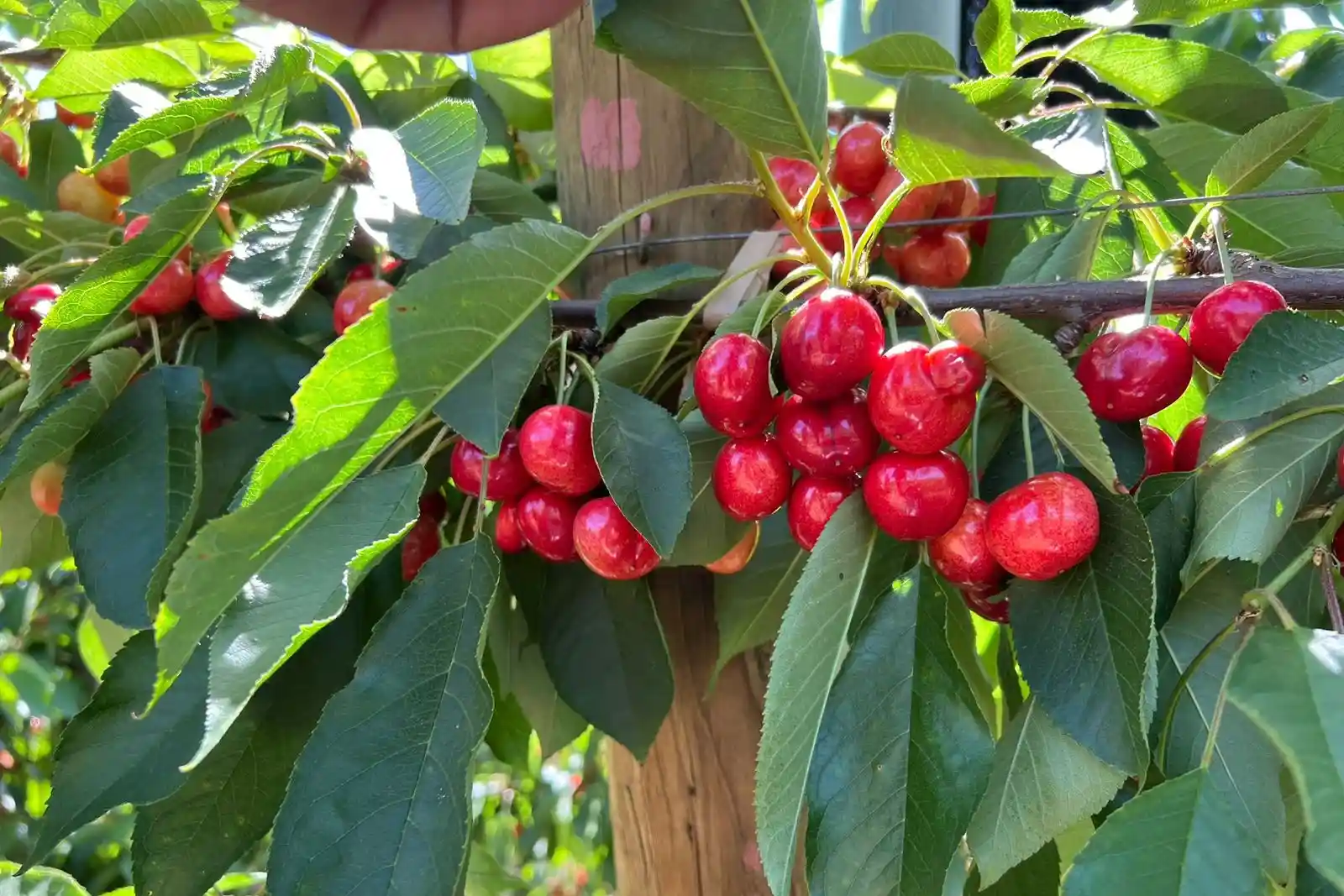
Taking a decisive step toward the digitalization of trade flows, Chile, together with China, has launched a system for fully digital phytosanitary certification. The initiative strengthens the competitiveness of Chilean agricultural exports, particularly cherries, grapes, and plums, most of which are destined for the Chinese market.
Digital certification between Chile and China
The Chilean Servicio Agrícola y Ganadero (SAG) has officially launched a pilot project for electronic phytosanitary certification with the People's Republic of China, without the use of paper-based documents. The plan, which began on November 1st, is the result of a bilateral agreement made during the Chilean Ministry of Agriculture’s Asian mission last May.
With approximately 25% of Chile’s agricultural exports bound for China, the implementation of a fully digital system represents a strategic milestone. This is a significant step forward that not only enhances safety and traceability but also improves the efficiency of the entire export process.
A global model for ePhyto certification
As emphasized by SAG’s interim national director, Rodrigo Sotomayor, this digital partnership with China makes Chile one of the few countries in the world to have implemented electronic phytosanitary certification with Beijing.
The system is based on the ePhyto (Electronic Phytosanitary Certification) agreement, fully adopted in a paperless format. Since 2019, Chile has progressively extended this approach to over 42 countries, issuing approximately 143,000 electronic certificates annually—accounting for 75% of the total—through the "Multipuerto" system.
Focus on fresh fruit and traceability
The new digital format covers a wide range of products: fresh produce (including cherries, grapes, and plums), grains, flowers, timber, and plant propagation materials such as seeds and bulbs. The direct benefits for exporters are substantial: less bureaucracy, cost reductions, faster delivery times, and improved phytosanitary reliability in international markets.
Outlook: innovation and sustainability
With this step forward, SAG reinforces its role as a key player in the digitalization of Chile's agricultural sector. The initiative not only raises standards of sustainability and transparency, but also aligns the country with the world’s best practices in facilitating international trade.
With the export of cherries and other fresh fruits at the core of Chile–China trade relations, the future of the sector increasingly relies on smart technologies and integrated processes.
Text and image source: diariofruticola.cl
Cherry Times – All rights reserved