

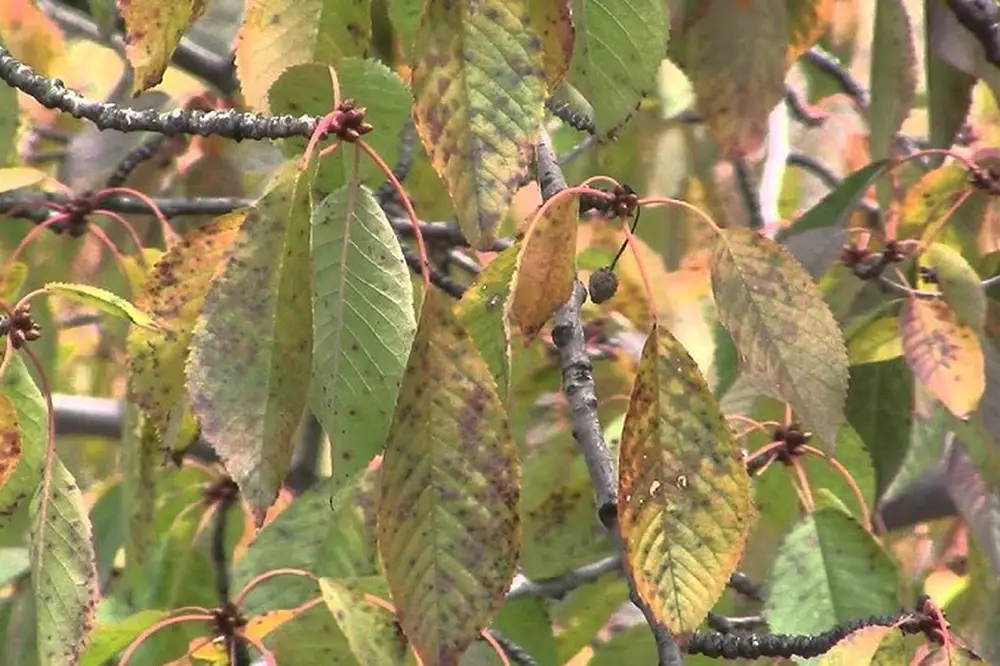
Michigan cherry growers are worried about cherry leaf spot
20 Feb 2025
Cherry leaf spot is a challenge for Michigan growers due to fungicide resistance and climatic conditions. MSU research has identified effective copper-based fungicides.


At the request of Comercializadora Zimex Ltda, and in order to improve fruit set through better pollination, CITA – AGRIFOOD RESEARCH AND TECHNOLOGY CENTER OF ARAGON conducted a trial to evaluate the effectiveness of assisted pollination in sweet cherry trees in the Albalate de Cinca area, Aragon, Spain.
For this purpose, externally supplied pollen provided by Comercializadora Zimex Ltda. was applied in an assisted manner as a natural alternative to reduce and control pollination problems and improve fruit set in a plot owned by Luxury Fruit.
This study assessed the improvement in cherry fruit set through the application of pollen from pollinator varieties compatible with the cultivars present in the orchard under evaluation.
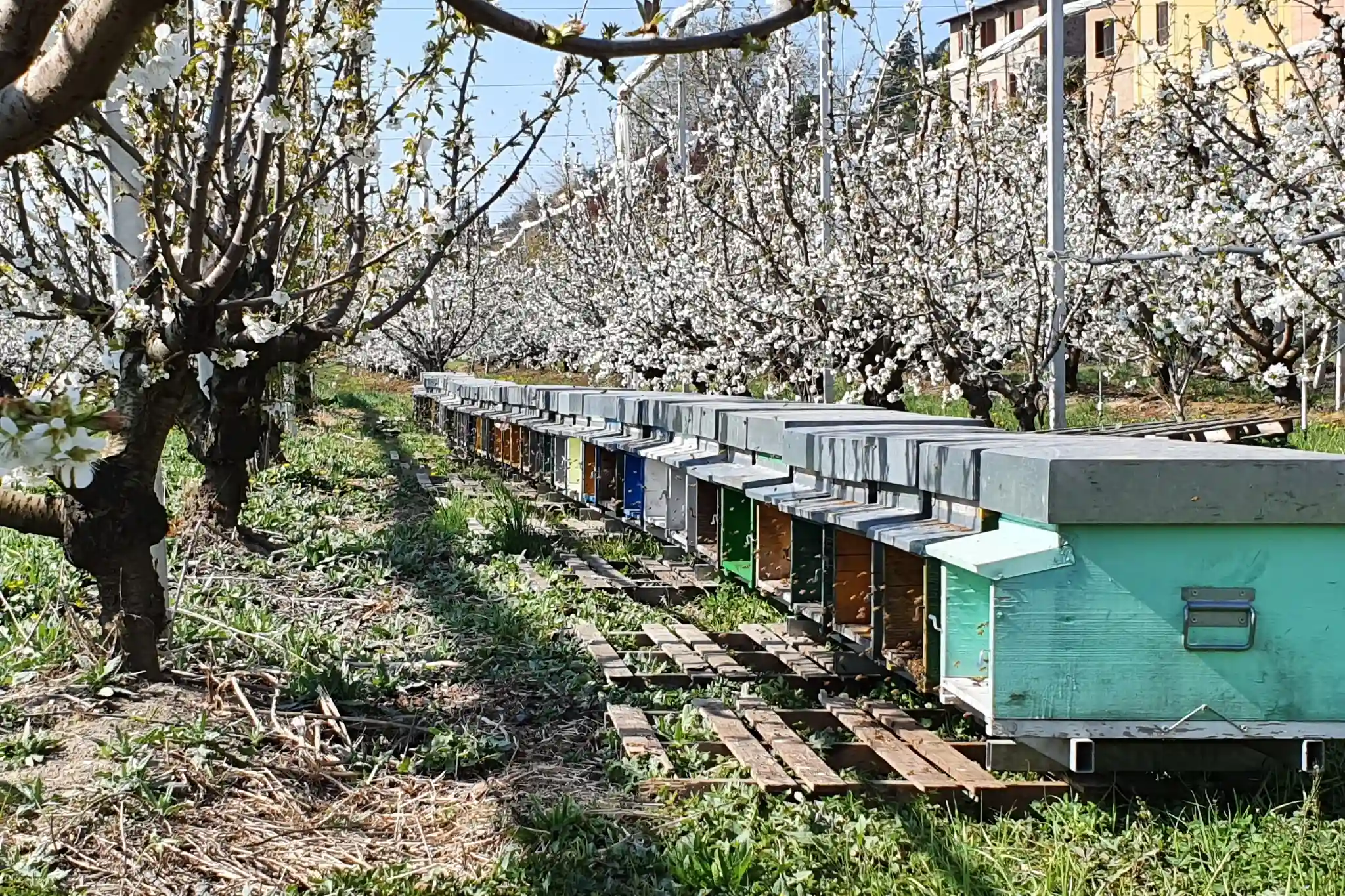
The pollen was placed at the entrance of the hive during the flowering period. After this treatment, the fruit set of the selected trees was evaluated and compared with that of untreated trees.
Fruit quality was analyzed in both groups of trees. In addition, a pollen viability and fertility test was carried out on the supplied pollen, comparing it with pollen from trees in the same plot and with a control pollen sample in order to assess its quality.
The following are the trial conclusions:
In the fruit set trial, higher fruit set was observed when the added pollen treatment was applied.
Although these differences were not significant in the final fruit set, a significant difference was detected in the intermediate fruit set between the two treatments, with fruit set in the added pollen treatment 6% higher than in the untreated control.
This result is not considered conclusive, as final fruit set may not yet have been fully stabilized at the time of the intermediate count.
To confirm this result, it is recommended to repeat the trial, carrying out the intermediate count once final fruit set has been established and, if possible, using trees that are more widely spaced between treatments.
In the pollen viability and fertility test, the pollen supplied by the company and added to the hives showed a small proportion of degenerated pollen and very low fertility.
Similarly, the pollen collected in the plot showed zero fertility despite apparently high cellular viability.
The low pollen fertility of both the company-supplied pollen and the pollen collected in the plot may be explained by a possible unidentified failure in the cold chain from the time of pollen collection in the field until the fertility test.
In addition, the company’s pollen showed low viability, which could be attributed to additional factors related to management or the collection method.
The low fertility of the pollen supplied by the company could be the reason for the treatment’s limited effectiveness in improving fruit set, but only a trial using viable pollen could clarify this hypothesis.
To reduce the proportion of degenerated pollen, it is recommended to evaluate this parameter in the variety (or varieties) from which the pollen is collected, in order to identify those with a lower percentage of degenerated pollen.
Furthermore, it is essential to maintain the cold chain (storage at -20 ºC until the day of treatment, minimizing temperature fluctuations) to preserve pollen quality.
The development and adoption of a simple and practical fertility assessment method (in vitro germination) to be applied routinely and frequently is also recommended, with the aim of identifying and excluding low-fertility batches.
It is also recommended to establish fertility control checkpoints from pollen collection through to application.
This research group specialized in reproductive biology and pollen can collaborate as a consultant in this process.
The fruit quality analysis did not reveal differences between treatments.
It was observed that the fruit had not yet reached full ripeness at the time of counting; however, this aspect does not affect the fruit set trial, as fruit set was already well established at the time of evaluation.
Since fruit set was similar in both treatments, it did not influence fruit quality.
See the full report on the EuroPollen website: Pollination trial with pure pollen in a cherry orchard.
Source: CITA – AGRIFOOD RESEARCH AND TECHNOLOGY CENTER OF ARAGON, SPAIN
Image source: Stefano Lugli

20 Feb 2025
Cherry leaf spot is a challenge for Michigan growers due to fungicide resistance and climatic conditions. MSU research has identified effective copper-based fungicides.
19 Feb 2024
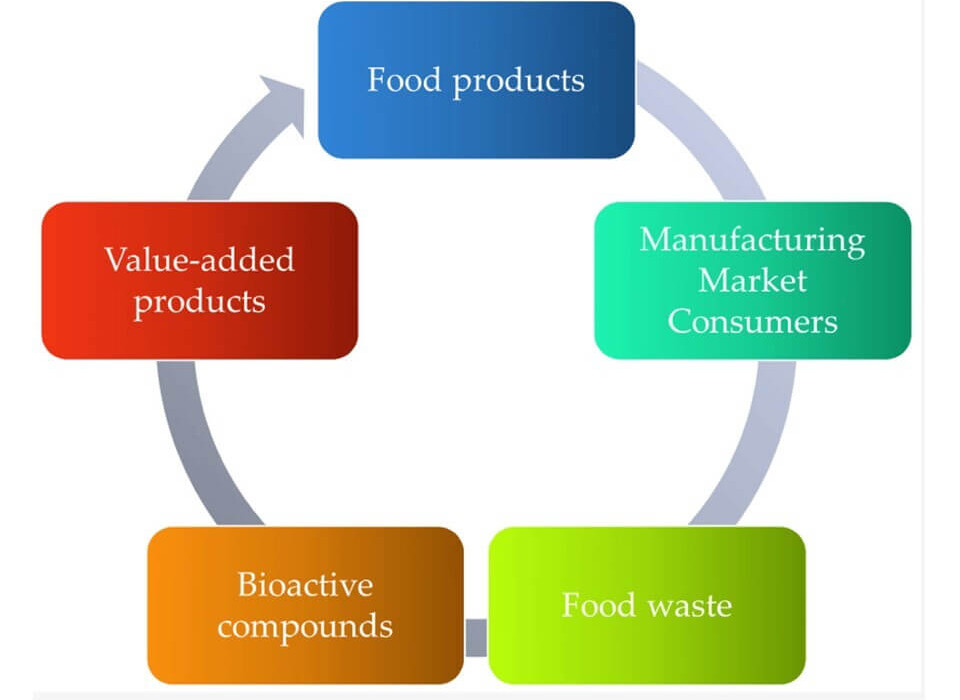
When several extraction methods are combined, the purity and yield of the extract are improved. The pulsed electric field technique is a fast and effective method to break the cell membrane with electricity, thus facilitating the extraction of bioactive compounds.


09 Oct 2026
A German study compares mineral nitrogen in apple and sweet cherry orchard soils. Nitrate accounts for 83% in apple orchards, while ammonium reaches 58% in cherry orchards. The findings highlight crop-specific soil interactions and implications for nitrogen fertilization.

09 Oct 2026
Cherry juice is gaining popularity among footballers and cyclists for its potential muscle recovery benefits. Rich in anthocyanins and polyphenols, research suggests it may help regulate inflammation and oxidative stress after intense exercise, supporting athletic recovery.