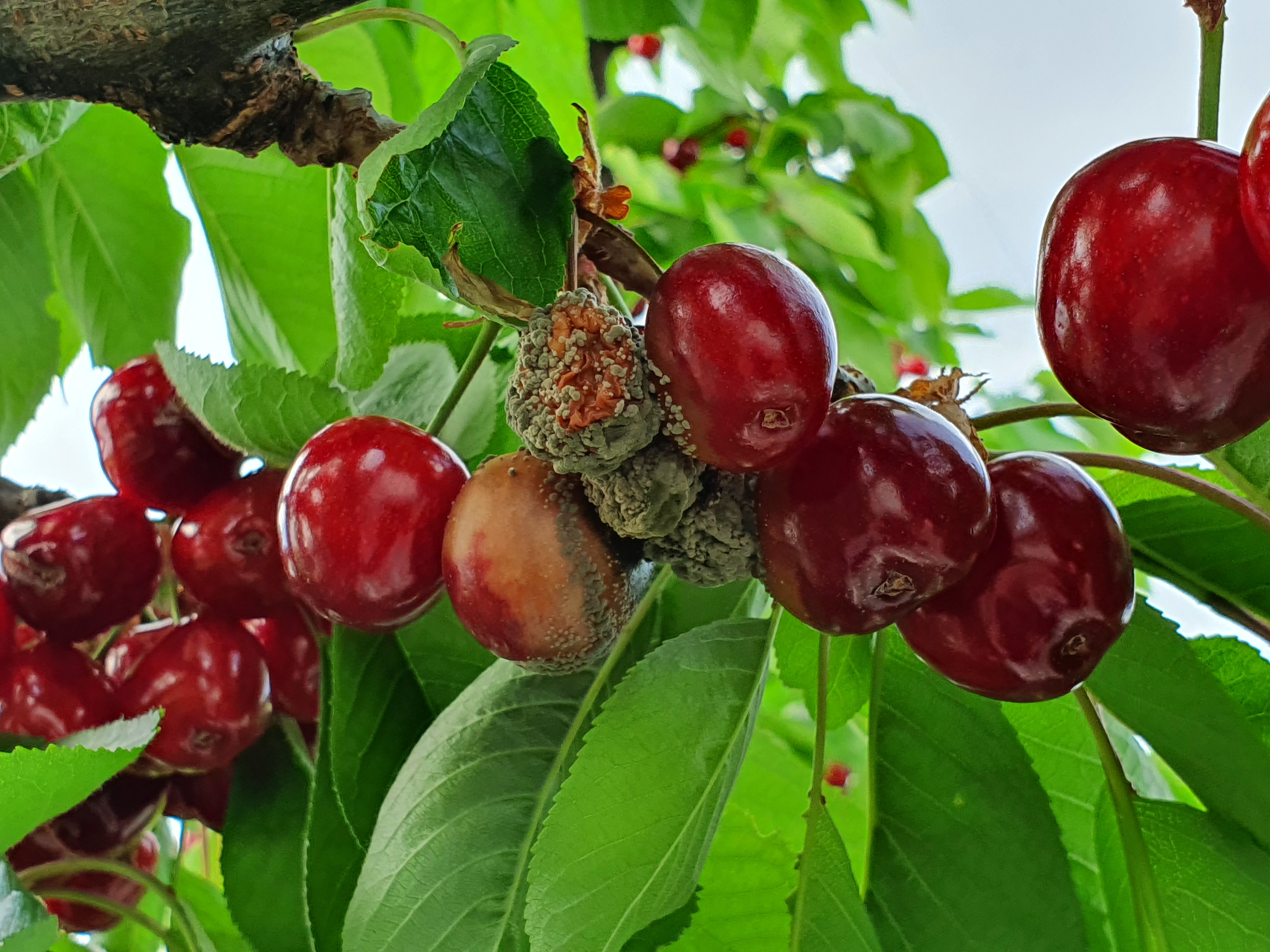
Futureco Bioscience presents a new biotechnological solution designed to address climate variability and improve phenological uniformity in crops such as cherry, walnut, and grapevine.
In response to the growing challenges posed by climate change and increasingly frequent mild winters, Futureco Bioscience launches Sincronitza®, an innovative liquid bioactivator developed to promote more uniform flowering and bud break in high-value orchards, including cherry, walnut, and grapevine.
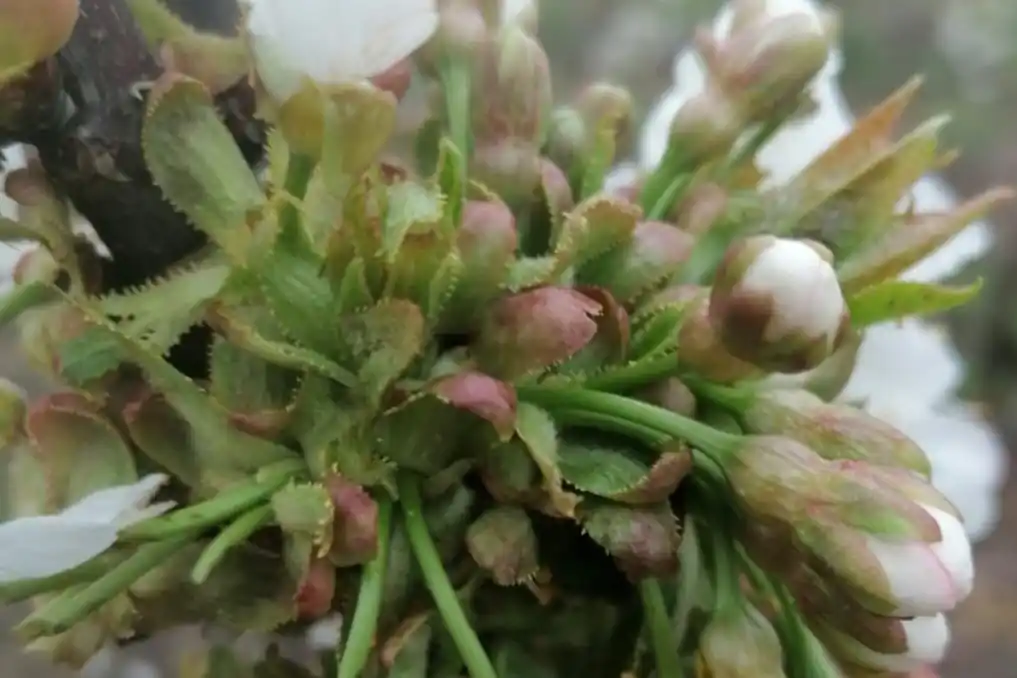
A scientific response to phenological discontinuity
The mode of action of Sincronitza® is based on the synchronization of phenological stages, helping to improve the balance between vegetative growth and flowering. The result is more efficient production management, more accurate harvest planning, and an overall increase in yield and fruit quality.
The development of the product addresses an increasingly widespread issue in many Mediterranean and South American growing areas: the reduction in winter chill hours, which compromises the regularity of bud break and flowering, generating imbalances in agronomic management and harvest operations.
“Sincronitza® acts at a crucial stage of the production cycle of deciduous fruit trees: the transition from dormancy to vegetative awakening,” explains Francisca Villegas, Product Manager at Futureco Bioscience. “Through hormonal rebalancing and the activation of key metabolic pathways, it improves bud break uniformity and flowering synchronization, making orchard management more predictable and efficient.”
An advanced formulation inspired by natural physiology
The scientific core of Sincronitza® is a synergistic combination of specific amino acids—particularly methionine and glutamic acid—obtained through biotechnological fermentation and enzymatic hydrolysis processes, combined with elements such as nitrogen and calcium. These components act by reactivating metabolic processes that are inhibited during dormancy, without resorting to aggressive chemical substances or excessive nutrient applications.
This mode of action, focused on physiological activation rather than forced dormancy breaking, allows the plant to initiate a coordinated, stress-free development, promoting an optimal balance between floral bud differentiation and leaf emergence.
Targeted application and field benefits
The effectiveness of Sincronitza® is achieved with a single foliar application, carried out approximately 35 days before vegetative resumption, coinciding with the physiological phase of dormancy release. This timing makes it possible to stimulate the plant’s internal metabolism before visible growth symptoms appear.
Intended for productive orchards at least four years old, the bioactivator has demonstrated in field trials—particularly on cherry and peach—a marked uniformity in bud opening and a complete absence of phytotoxicity or alterations affecting the flowers.
“With the progressive reduction in chill hours, the problem of phenological unevenness is increasing in many fruit-growing regions,” emphasizes María José Lis, Chief Commercial Officer at Futureco Bioscience. “Sincronitza® makes it possible to concentrate flowering and harvest periods, optimizing field operations, reducing costs, and improving labor organization.”
A sustainable choice for more resilient agriculture
Unlike conventional dormancy-breaking treatments—often based on caustic substances or high nitrogen concentrations—Sincronitza® represents a biodegradable, residue-free solution that is compatible with soil health and operator safety.
This approach, fully aligned with the mission of Futureco Bioscience, combines agronomic effectiveness, safety, and sustainability, offering growers an advanced technology to face climate challenges without compromising crop quality and productivity.
Source: Mercados Magazine
Image source: SL Fruit Service
Cherry Times - All rights reserved