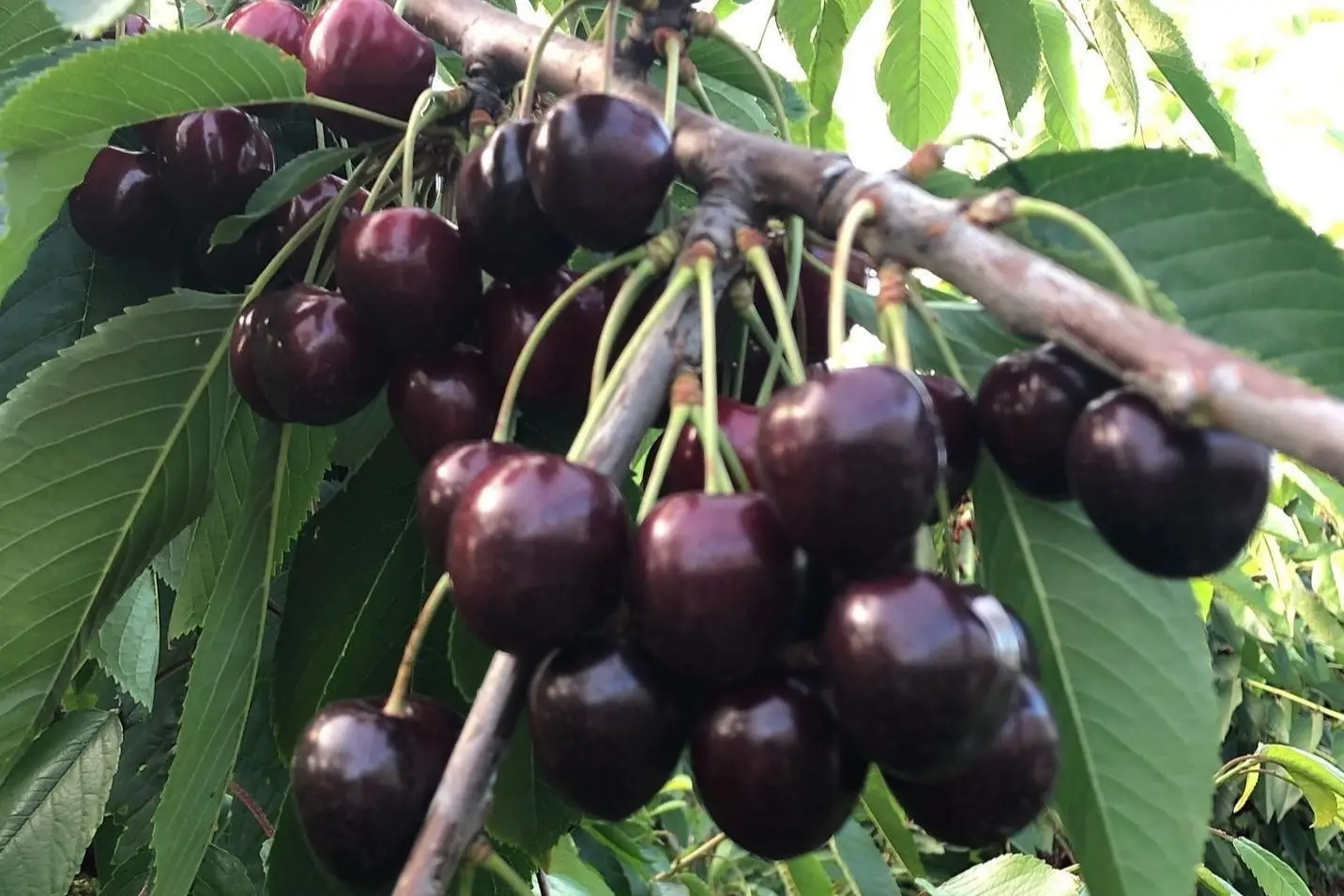
Genetic improvement is one of the most effective tools for making modern cherry production more efficient and competitive. A recent paper from the University of Agronomic Sciences and Veterinary Medicine of Bucharest presents preliminary results from a breeding program aimed at expanding the varietal assortment and reducing one of the main limitations of the fresh cherry market: the strong concentration of supply within a very short harvest period.
This research builds on a well-established tradition of sweet cherry breeding in Romania, which began in the second half of the twentieth century and led to the development of numerous cultivars characterized by high productivity and good fruit quality. In recent decades, varietal renewal has become increasingly important in order to adapt the crop to the technological, economic, and climatic changes affecting modern fruit growing.
The breeding program
The breeding program is based on a large germplasm collection composed of Romanian and international cultivars preserved in the experimental fields of the Pietroasa-Istrița Research Station and at the experimental farm of the Faculty of Horticulture in Bucharest. The varieties are grafted onto different rootstocks and studied to identify suitable parental genotypes.
The main objective is to develop new early or late cultivars that are self-fertile, productive, and characterized by low vigor, with high-quality fruits in terms of size, firmness, color, and taste. At the same time, the program aims to identify genetic sources of resistance to major phytosanitary problems affecting sweet cherry, including anthracnose, moniliosis, and fruit cracking.
Controlled hybridization activities
Controlled hybridization activities began in 2013 using several parental combinations involving commercial cultivars such as ‘New Star’, ‘Burlat’, ‘Van’, ‘Early Red’, and ‘Giant Red’. In total, twenty crossing combinations were performed, producing 800 fruits and 414 seeds, which were subsequently sown to obtain new plants.
The results highlighted differences among parental combinations, with the best performances observed when ‘New Star’ was used as the female parent. The young plants were grafted onto the Gisela 5 rootstock to accelerate the onset of fruiting and reduce evaluation time.
The first selections
The first selections were carried out starting from the third year, based on several agronomic and qualitative parameters, including ripening time, fruit size and appearance, organoleptic quality, plant vigor, type of fruiting branches, productivity, and resistance to diseases and pests.
Preliminary results allowed the identification of several particularly promising individuals. In the group derived from the cross ‘Giant Red’ × ‘Early Red’, hybrid 13.6.56-IP stood out for its attractive fruits and good plant architecture. In the ‘Van’ × ‘New Star’ group, several genotypes with low vigor and large fruits, reaching 9–10 g, were selected, characterized by high firmness and good taste.
Among all the combinations studied, the cross between ‘New Star’ and ‘Burlat’ produced the highest number of individuals with interesting characteristics, both in terms of fruit size and organoleptic quality. Some selected genotypes also showed very sweet, juicy, and intensely colored fruits on trees with moderate vigor, traits particularly appreciated in intensive orchard systems.
Comparative variety trials
The best genotypes were introduced in 2024 into comparative variety trials for further evaluation and for the initiation of DUS tests, a necessary step for registration and potential plant variety protection. The results confirm the importance of sweet cherry breeding programs for the development of new cultivars capable of meeting the needs of both the market and modern fruit production systems.
Source: Asănică, A., Tudor, V., & Teodorescu, R. I. (2025). Advances in cherry breeding at UASVM Bucharest. Annals of the University Of Craiova, Biology, Horticulture, Food products processing technology, Environmental engineering, 30(66). https://doi.org/10.52846/bihpt.v30i66.205
Image source: Stefano Lugli
Andrea Giovannini
PhD in Agricultural, Environmental and Food Science and Technology - Arboriculture and Fruitculture, University of Bologna, IT
Cherry Times - All rights reserved