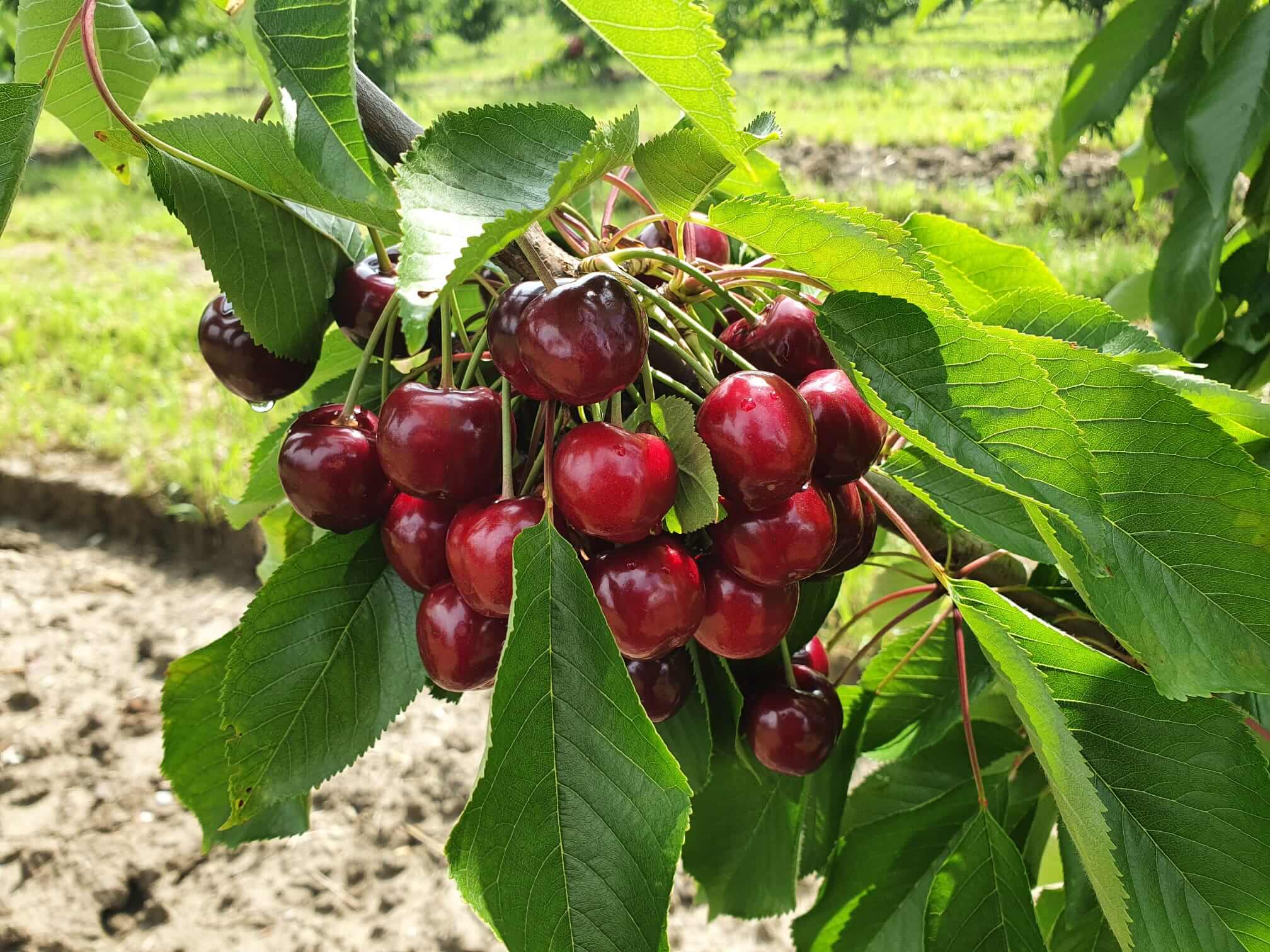
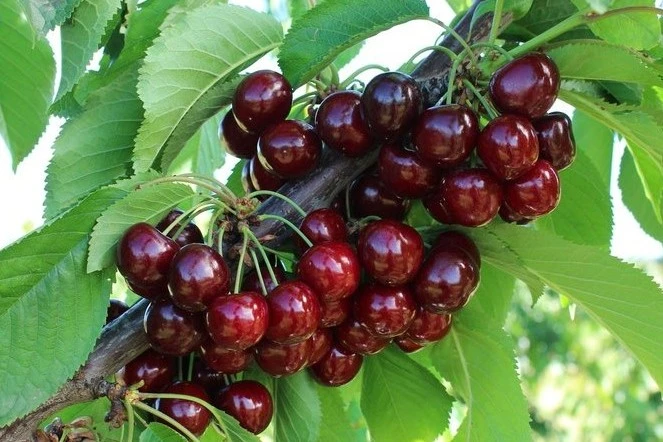
Fruit quality in sweet cherry is a key factor for both market competitiveness and consumer satisfaction, as it results from a complex interaction of morphological, textural, and sensory traits.
A recent study from China proposes an innovative approach that combines advanced analytical tools, such as a texture analyzer, electronic nose (e-nose), and electronic tongue (e-tongue), to describe fruit quality in an objective and multidimensional way.
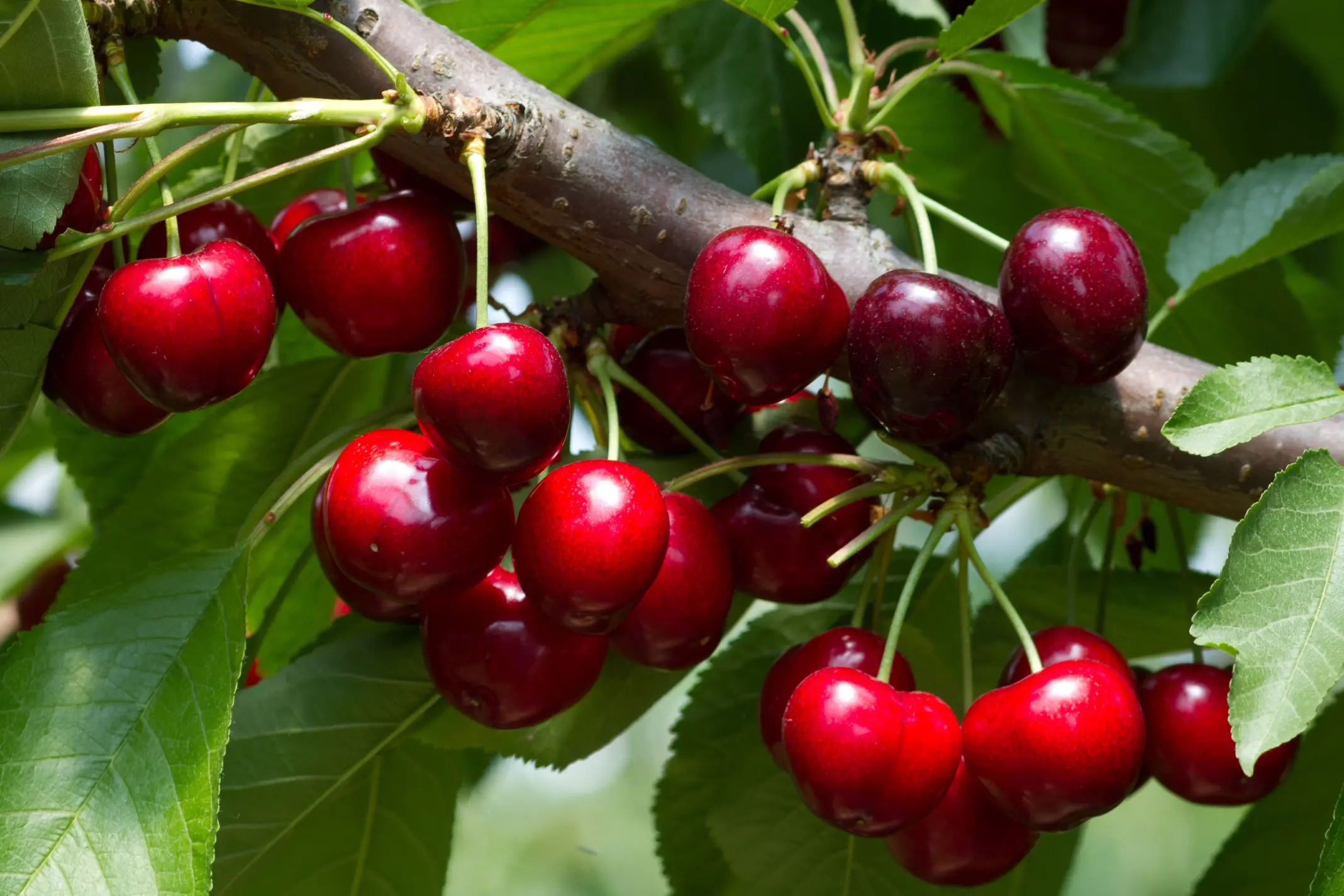
Introduction
The phenotypic characterization of fruit quality traits was conducted on 35 cultivars.
The results revealed marked inter-varietal variability, with coefficients of variation exceeding 30% for several key parameters, including peduncle weight, skin color, and the content of specific metabolites such as sorbitol and shikimic acid, indicating a high level of genetic diversity that can be exploited in breeding programs.
Total soluble solids content showed a wide range (14.7-27.7%) and a significant negative correlation with fruit weight and diameter, confirming the existence of a “dilution effect”, which represents an important constraint for breeding strategies aiming to simultaneously improve fruit size and organoleptic quality.
Texture analyses highlighted substantial differences among cultivars, with chewiness showing the highest variability (CV > 70%), while parameters such as hardness, elasticity, and cohesiveness exhibited functional relationships indicative of cellular structure and cell wall integrity.
Results
In particular, the positive correlation between hardness and fracture resistance underscores the role of tissue structure in determining mechanical properties, whereas the inverse relationship between hardness and elasticity reflects a physiological trade-off between rigidity and deformability.
Principal component analysis (PCA) enabled the synthesis of this complexity by identifying varietal groups with distinct functional characteristics, including cultivars suitable for storage (e.g., ‘Summit’), premium fresh consumption (e.g., ‘Victory’), or industrial processing (e.g., ‘Coral Champagne’).
In parallel, aroma analysis using the electronic nose showed that the presence of the skin significantly influences the volatile compound profile, increasing sensor sensitivity and improving discrimination among cultivars.
This finding suggests a key role of the epidermis in aroma biosynthesis and release, likely linked to higher metabolic activity and the presence of volatile precursors.
Aroma and sensory analysis
Sensors exhibited different responses between samples with and without skin, confirming the distinct origin of aromatic compounds in external versus internal tissues.
The electronic tongue enabled the objective quantification of nine taste attributes, identifying acidity as the most variable parameter (CV up to 87%), followed by sweetness and umami, which emerged as the main drivers of sensory perception.
Cluster analysis grouped the cultivars into three main categories: those with high sweetness and umami (e.g., ‘Tieton’), those with high acidity and astringency (e.g., ‘Bato’), and those with a balanced profile (e.g., ‘Summit’), providing useful insights for market segmentation and cultivar selection.
Conclusion
Overall, the study demonstrates that integrating advanced instrumental techniques can overcome the limitations of traditional sensory evaluation, offering a rapid, objective, and reproducible system for characterizing cherry fruit quality.
This approach represents a valuable tool for breeding programs focused on quality traits, as well as for optimizing postharvest management practices, ultimately contributing to the development of a more efficient sweet cherry value chain and improved commercial classification of cultivars.
Source: Chen, Y., Cai, F., Ai, J., He, M., & Zhang, Q. (2026). Integrated phenotyping of 35 sweet cherrycultivars for texture, aroma, and taste diversity using a texture analyzer, e-nose, and e-tongue. European Food Research and Technology, 252(1), 20. https://doi.org/10.1007/s00217-025-04927-3
Image source: Stefano Lugli
Andrea Giovannini
PhD in Agricultural, Environmental and Food Science and Technology - Arboriculture and Fruitculture, University of Bologna, IT
Cherry Times - Tutti i diritti riservati