Tart cherries are among the most extensively studied plant matrices in recent years. Owing to their high content of
bioactive compounds and their potential role in the prevention of chronic-degenerative diseases, they have become
fruits of considerable interest.
A recently published review has explored this topic in depth, analysing the most up-to-date evidence on the mechanisms through which tart cherry juice concentrate exerts antioxidant and anti-inflammatory activities, with particular emphasis on the modulation of epigenetic and metabolic pathways.
p style="text-align: center;">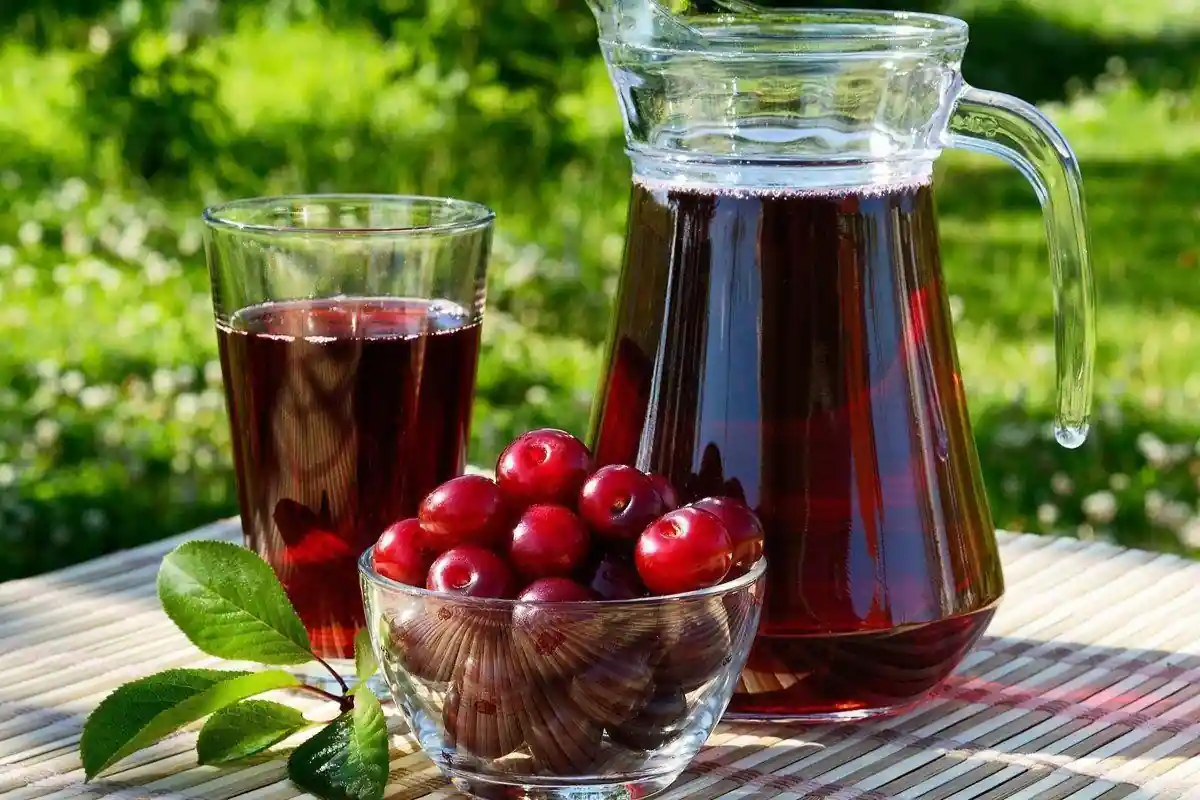
Oxidative stress and inflammation
Oxidative stress and chronic inflammation are widely recognised as key drivers in the development of cardiovascular diseases, metabolic syndrome, type 2 diabetes, neurodegenerative disorders and cancer; interest in tart cherry stems precisely from the ability of its phytochemicals to intervene in these processes in an integrated manner.
The study highlights how anthocyanins, polyphenols, flavonoids, vitamin C, β-carotene, ellagic acid and chlorogenic acid act not only as scavengers of reactive oxygen species, but also as regulators of gene expression, influencing central signalling pathways such as NF-κB, Nrf2, AMPK and MAPK.
Anthocyanins, particularly cyanidin derivatives that are abundantly present in tart cherry juice, have been shown to reduce the production of pro-inflammatory cytokines, modulate macrophage activity and improve metabolic parameters including lipid profile, insulin sensitivity and energy metabolism.
Epigenetics and bioactive compounds
Numerous preclinical studies have demonstrated that these compounds can induce stable epigenetic modifications, such as changes in DNA methylation and histone modifications, with long-term effects on the regulation of genes involved in oxidative stress responses, inflammation and mitochondrial function.
Vitamin C and β-carotene also play an important role: the former acts as a cofactor for TET enzymes involved in DNA demethylation, while the latter, through its conversion into retinoic acid, is able to interact with nuclear receptors and chromatin-remodelling complexes.
Ellagic acid and chlorogenic acid further contribute to this framework through their ability to modulate microRNAs, epigenetic enzymes and metabolic pathways related to glucose and lipid homeostasis.
Clinical evidence and limitations
Clinical evidence, although still limited, suggests that tart cherry juice consumption may lead to significant reductions in certain inflammatory markers, improvements in blood pressure and lipid profile, as well as benefits in subjects with metabolic syndrome or hyperuricaemia.
Nevertheless, important limitations remain: most of the available studies are short-term, involve small sample sizes and adopt heterogeneous protocols; the bioavailability of individual compounds and the role of their metabolites are not yet fully elucidated; and robust data on safety, optimal dosage and long-term effects are lacking.
In addition, many of the mechanistic findings derive from in vitro or animal models and require confirmation in well-designed randomised clinical trials.
Future directions and conclusions
In conclusion, tart cherry juice emerges as a promising functional food and nutraceutical, with the potential to prevent chronic diseases through its antioxidant and anti-inflammatory effects.
However, its effective application in technical, productive and nutritional contexts will require a more integrated approach, combining long-term clinical studies, nutrigenomic analyses and improved standardisation.
Only in this way will it be possible to translate the potential of tart cherry bioactive compounds into practical tools for disease prevention and management.
Source: Xu, J., Pan, Y., Peter, R. M., Chou, P. J., Dave, P. D., Shanner, A., Sarwar, M. S., Brunetti, L., Simon, J. E., & Kong, A. N. T. (2025). Exploring the epigenetic and metabolic pathways for antioxidant and anti-inflammatory potentials of tart cherry juice concentrate. Current Pharmacology Reports, 11(1), 43. https://doi.org/10.1007/s40495-025-00422-1
Image source: Mavideniz
Cherry Times - All rights reserved