Chile hit by bad weather, estimated 30% loss on early varieties

07 Nov 2023
1889

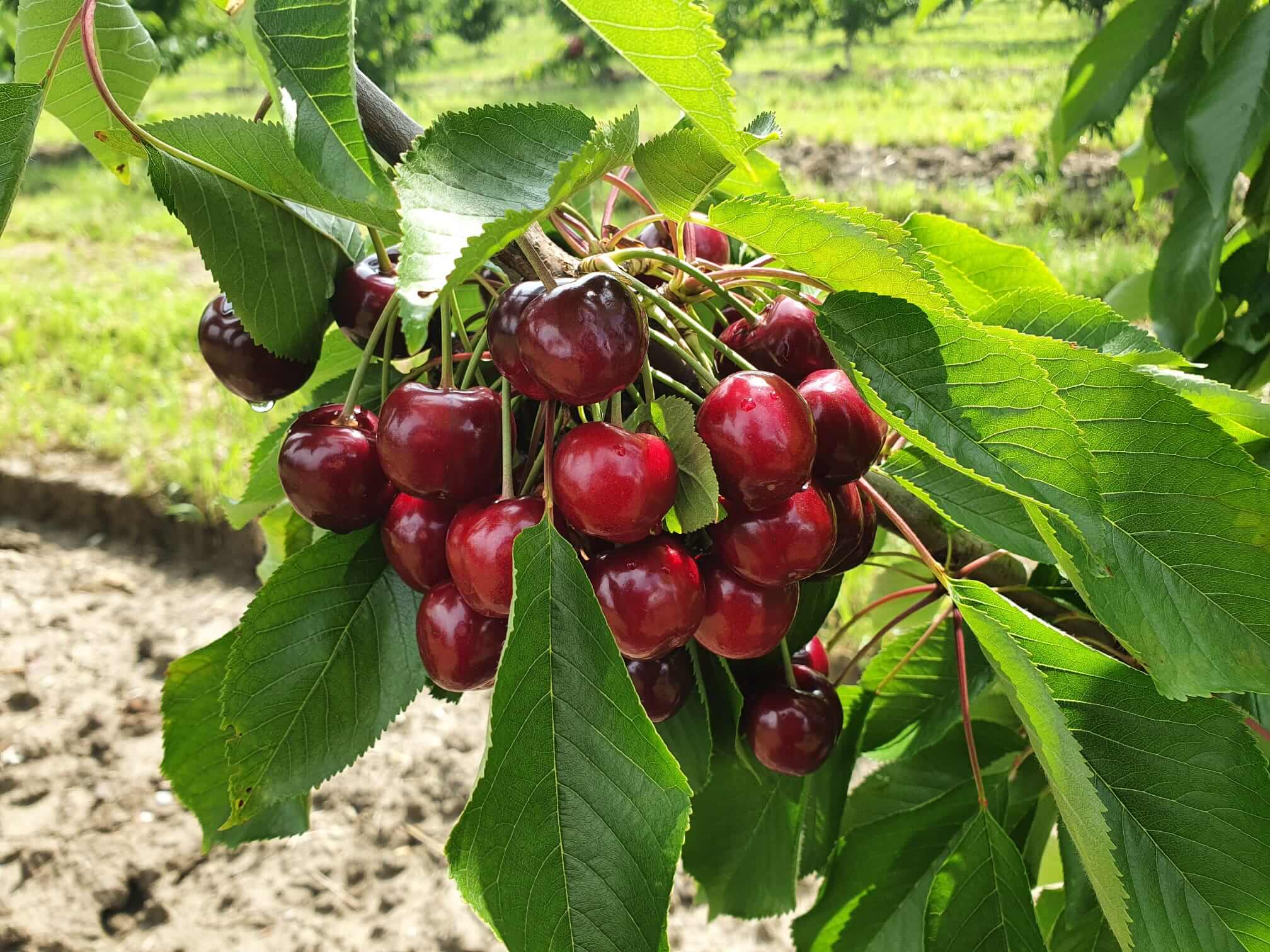
Producers in Chile are facing the challenge of mitigating the recent damage to early cherry production caused by heavy rains in various regions of the country. According to Jorge Valenzuela, the president of the fruit producer federation Fedefruta, the impact of the rains has been particularly severe on early cherry varieties, resulting in losses ranging from 15% to 50% due to splitting. Fortunately, the later cherry varieties have not been affected.

The most significant damage has been reported in the Metropolitan and VII Regions, where a substantial decrease of at least 30-40% in fruit production has been observed. Valenzuela pointed out that the excessive moisture has saturated the soil, making it challenging to drain the affected farms due to the strain on the irrigation infrastructure.

In response to these challenges, Fedefruta is urging affected producers to apply fungicides and adhere strictly to phytosanitary programs to prevent further damage to their crops. They emphasize that soils have a limited capacity to absorb water, and some farms may face difficulties in addressing the waterlogged conditions.

Read the full article: Asiafruit


Cherry Times - All rights reserved

What to read next

Cherry trees: shade as a defence against climate stress

Covers

29 May 2026

Heat, mild winters and late frosts are pressuring cherry trees in Italy. Shading nets can reduce water stress and thermal damage, but their effect on yield depends on rootstock, vigor, training system, canopy density and orchard management from bloom to post harvest too.

The European landscape of community plant variety rights for cherry trees

Varieties

26 Jun 2024

The CPVR (Community Plant Variety Rights) system, administered by the Community Plant Variety Office (CPVO), grants exclusive rights to breeders, encouraging them to invest in the development of new varieties, ultimately benefiting consumers.

In evidenza

From seed to invader: exotic species that succeed in colonizing new habitats

Production

11 Jun 2026

In the Andean-Patagonian temperate forest, alien species recruitment depends on predation, frugivory, seedling survival and functional traits. Seed size emerges as the key factor, with Prunus cerasus showing the highest invasive potential among the species studied in Patagonia.

WSU is using history to develop new, improved cherry varieties

Breeding

11 Jun 2026

Washington State University is tracing breeder Thomas Toyama’s genetic legacy to develop larger, earlier and more resilient cherries. Historic WSU records are now helping researchers identify valuable traits and strengthen modern sweet cherry breeding programs worldwide.

Tag Popolari