KISS: the training system for simplified cultivation

11 Jul 2024
2106

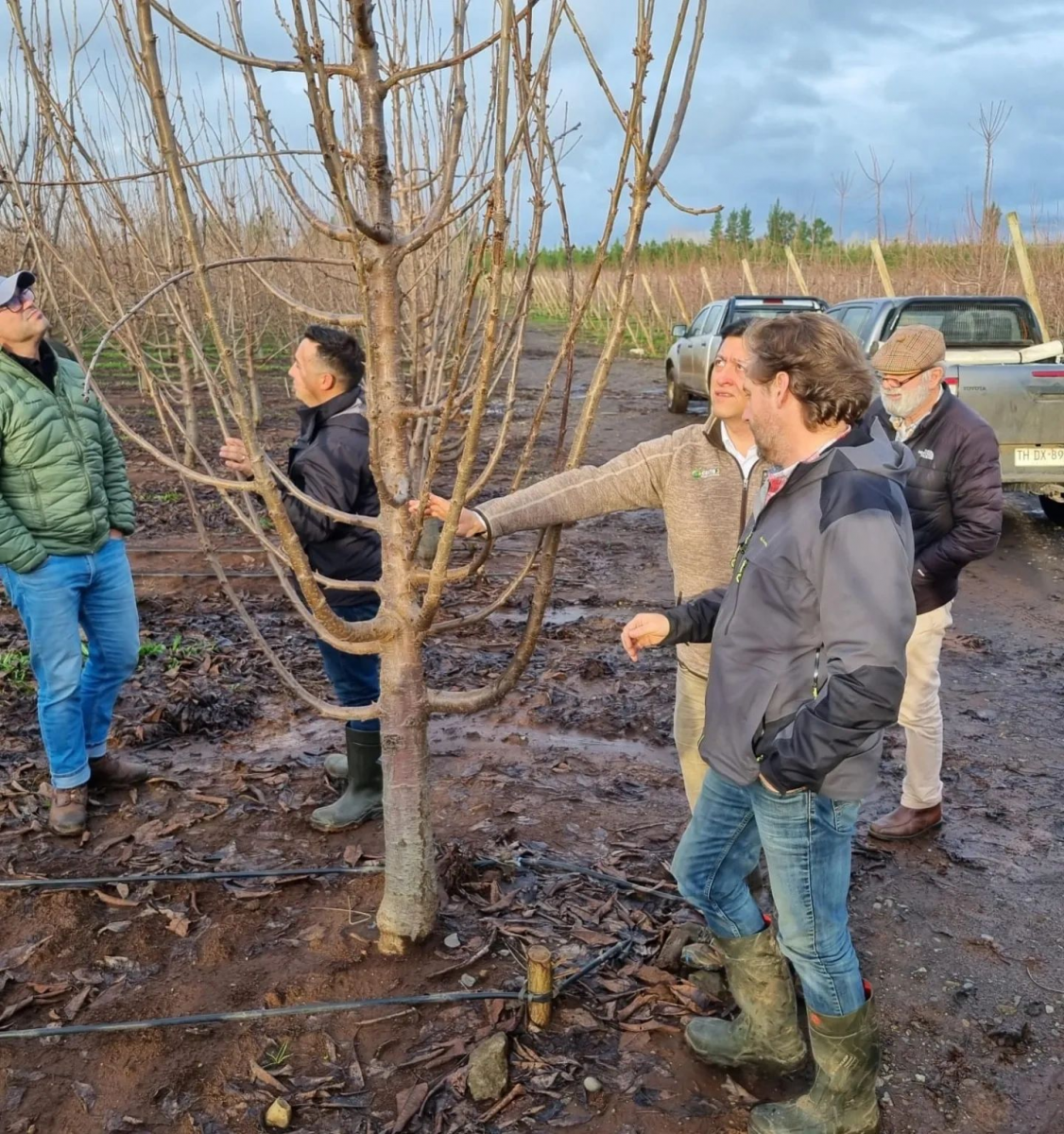
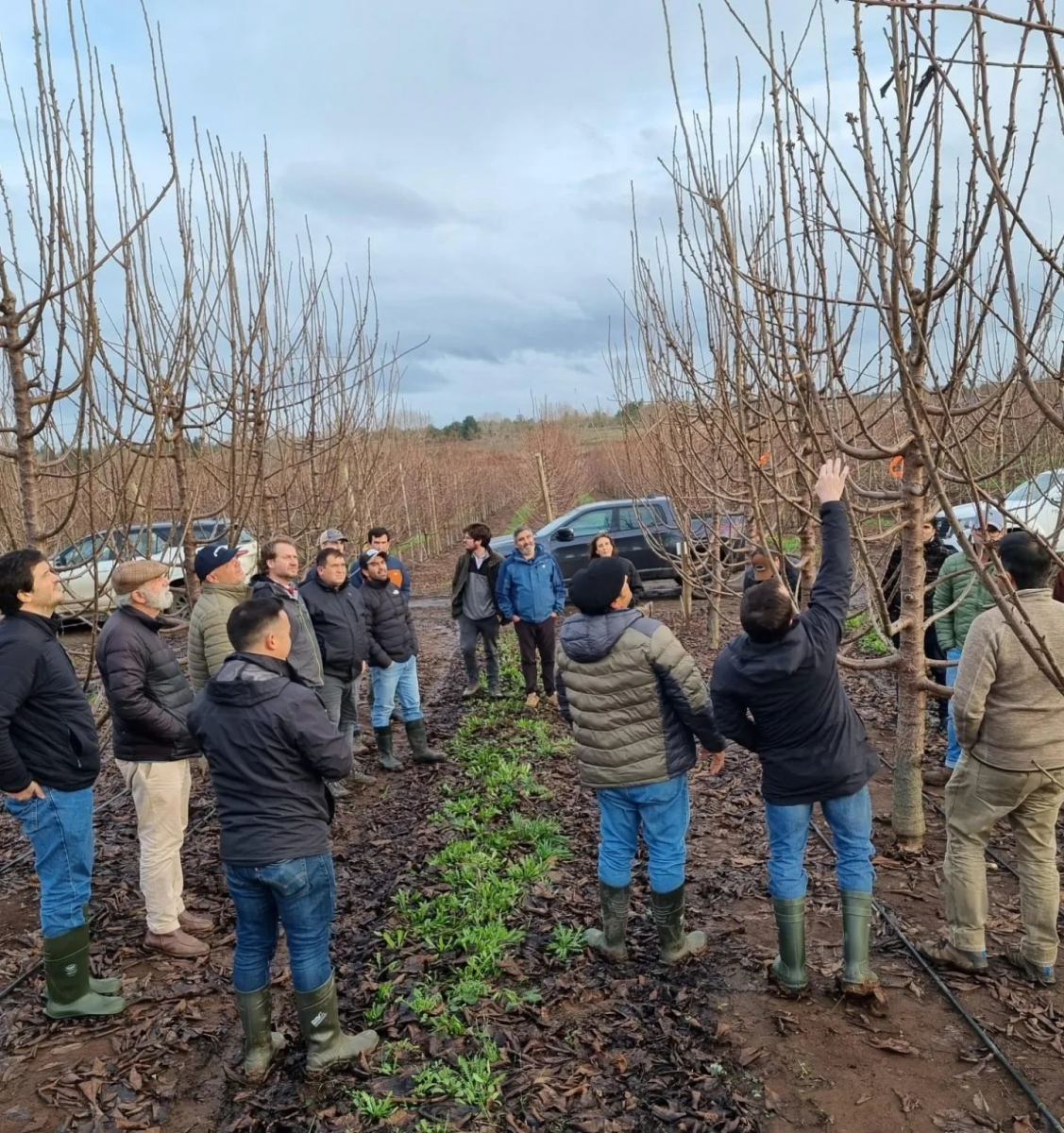
GTT Biobío shares images from the meeting at El Rosal in Los Angeles, hosted by member Enrique Labbé of Punto Verde S.A.

Agronomist Diego Romero presented the KISS training system (Keep It Super Simple), designed to facilitate movement and reduce orthopedic labor.
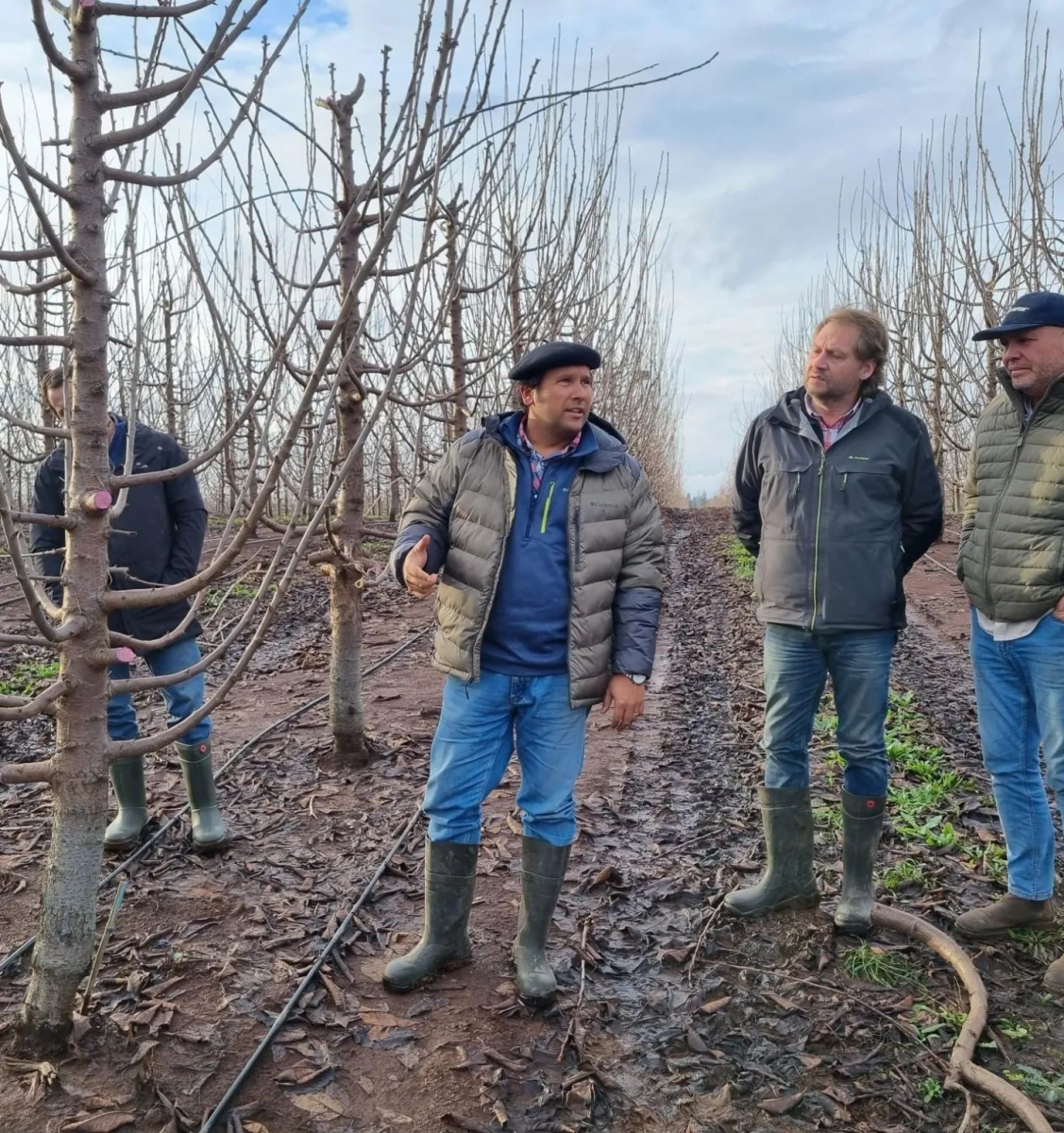
Image 1.

The 2020 Lapins and Regina varieties were visited, in two types of soil. The greenhouses were also visited, where some ideas for their use were presented, not excluding cherry trees as an alternative.
Technical support was provided by a consultant, agronomist Andrés Arias of AKS Consultores, a soil specialist.
Source: Diario Frutícola
Image: Diario Frutícola


Cherry Times - All rights reserved

What to read next

US season 2024: 355,000 tonnes expected, slight increase over 2023

Production

03 Jul 2024

"The national total number is 355,000 tonnes, technically one could say it is up three-tenths of a percentage point from 2023. But if you exclude Michigan, which was not counted in the total last year, there is a decrease of 5.9 per cent."

Parisi and Trims Fresh Crowned Cherry Royalty at Sydney’s Cherry Ball

Events

04 Dec 2025

At Sydney Markets’ annual Cherry Ball, a record-breaking A$260,000 was raised for Little Wings, a charity supporting seriously ill children. Parisi and Trims Fresh Merrylands were crowned 2025 Cherry King and Queen, each placing top bids on a premium Royal Hazel cherry box.

In evidenza

Protecting cherry trees from Drosophila suzukii: technical considerations for 2026

Crop protection

22 May 2026

The CTIFL 2026 report presents guidelines to protect cherry trees in France from Drosophila suzukii, combining monitoring, netting, sanitation, biological control and authorized plant protection products for targeted, sustainable crop defense adapted to sites and varieties.

Cherry orchard covers: from a means of protection against rain to a strategic decision for commercial and production stability

Covers

22 May 2026

Cherry orchard covers in Chile no longer protect only against rain: they now regulate microclimate, reduce cracking, improve export quality and fruit condition, supporting more stable economic returns in modern orchards exposed to growing climate risk and market pressure.

Tag Popolari