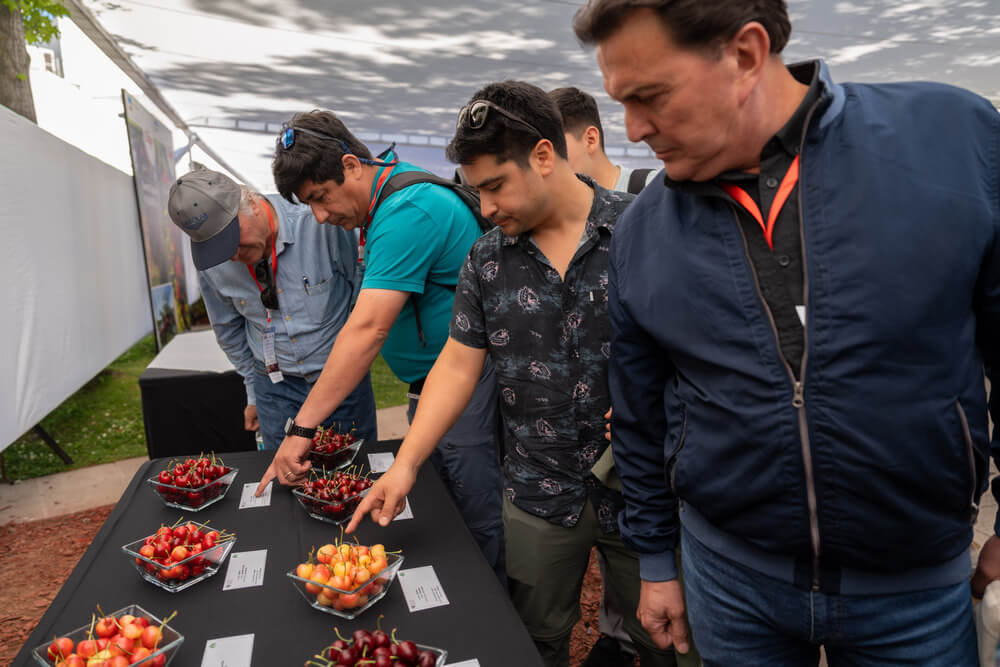
A cherry harvest that matched the region's historical average but was better distributed over the summer months resulted in improved sales in 2024 for growers in Washington State and the Northwest.
The 82nd Cherry Institute convened Friday at the Yakima Convention and Event Center, and the news was much less grim than the previous year, when a massive and late California cherry harvest kept the Northwest growers’ abundant produce off grocery store shelves until after July 4.
“Shipments in California (2024) peaked on May 17, compared to June 12 in 2023. That’s a good thing,” said B.J. Thurlby, president of the Northwest Cherry Growers, in his assessment of the 2024 season.
“We had a strong start in June, shipping just over 8 million boxes... and our early fruit was of excellent quality, helping to drive promotions that led to steady purchases (through July and early August),” Thurlby added. “This allowed demand to exceed supply in the post-July 4 period.”
Northwest Harvest Totals
The Northwest cherry harvest for 2024 totaled 19.5 million 20-pound boxes, about 800,000 more boxes of fresh cherries than the previous year’s regional harvest. However, due to the abundance of California cherries in 2023 and the sales difficulties faced by Northwest cherries, Thurlby estimated that about 4.5-5 million boxes of cherries were grown but not harvested that year.
Thurlby stated that the 2024 harvest matched the Northwest’s five-year average of 19.5 million boxes, despite a heatwave in early July that brought a week of temperatures between 100 and 105 degrees across much of central and eastern Washington and parts of Oregon.
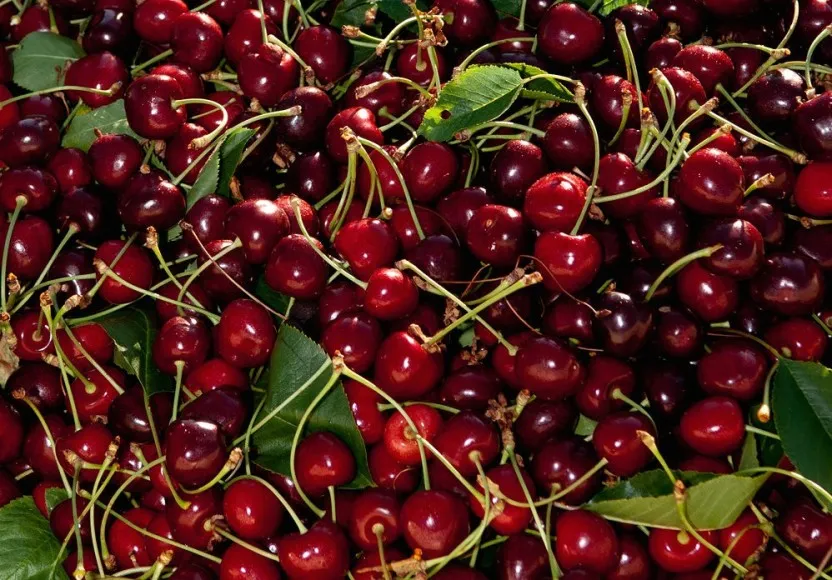
“The last five years have been challenging: we’ve had one weather event after another,” he said. “The excessive heat in July pushed the fruit forward a bit, compressing part of our harvest into that window.”
“But it wasn’t as bad as in 2023, when we had 17 consecutive days of 500,000 boxes per day. In 2024, we had only five days of 500,000 boxes, and they were spread out across the season.”
Online Promotions
One of the main tasks of the Northwest Cherry Growers organization is the marketing of cherries both in the United States and worldwide.
Older consumers tend to be the most loyal buyers of cherries, both for their taste and their health benefits, said Karley Lange, national promotions director for the Northwest Cherry Growers.
Cherry growers must target younger customers, especially young families, who make up only 6.4% of all cherry consumers (households with children under the age of 6).
International Sales
Abroad, while marketing efforts have included online campaigns and even “wrapper” ads on trains in Thailand, Keith Hu, director of international operations for the Northwest Cherry Growers, stated that in-store demonstrations and sampling remain the most effective promotion.
Canada remains the top foreign market for Northwest cherries, with 38.6% of the harvest exported, followed by China, Latin America (mainly Mexico), and Southeast Asia, with Thailand and Vietnam leading the way.
Source: The Columbian
Image: Fruit Grower News
Cherry Times - All Rights Reserved