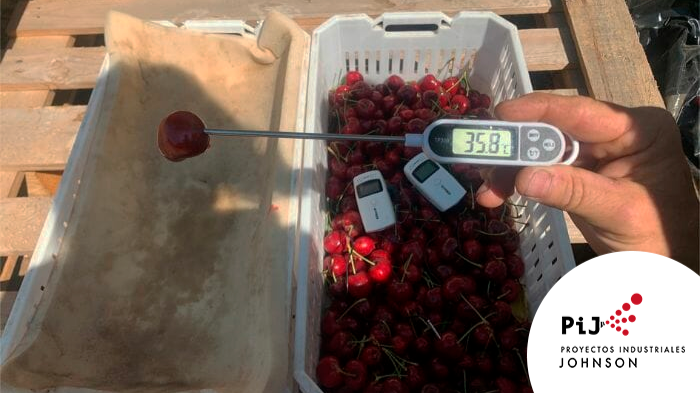
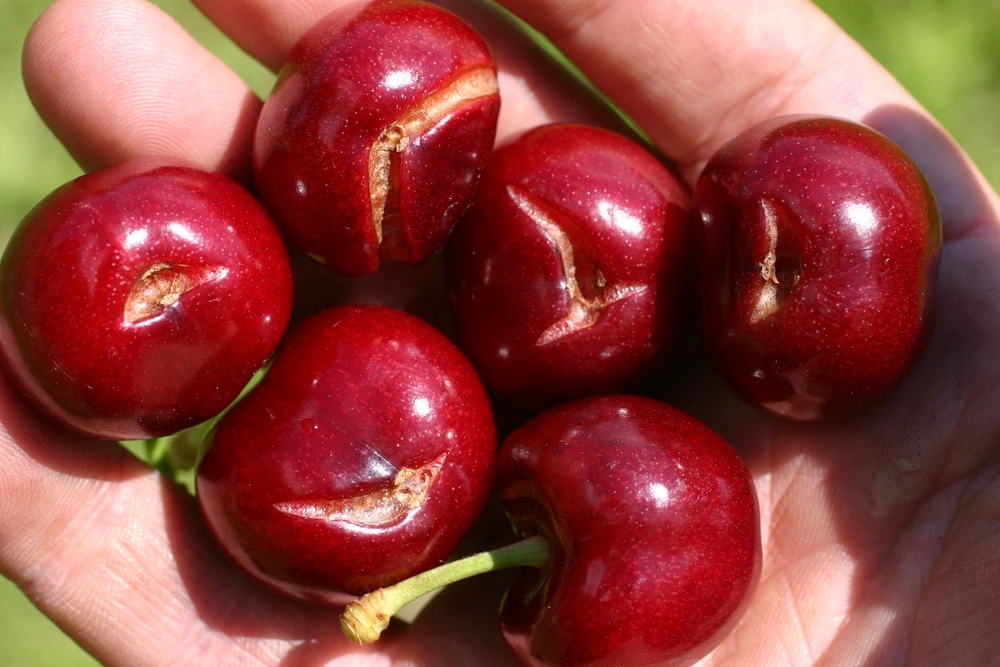
Güizzo Frutas Frescas S.A., based in Mendoza, Argentina, has begun this week the commercial harvest of fresh cherries, marking the start of a new season that promises higher volumes and excellent quality.
“After a generous winter of chilling hours and a thermal accumulation that, although it started below normal in August, has given us spring-like days in September and October; we are excited to start a new season with a larger volume and excellent quality,” stated Nicolás Güizzo, the company's technical director, in a statement.
“This year we have introduced a significant innovation, as in addition to starting with the traditional early varieties from Zaiger like Royal Lee, on October 21 we began harvesting the first batches of cherries from the Nimba variety, coming from the new plantings created in the last two years on our farms in Luján de Cuyo and Valle de Uco,” he added.
Güizzo emphasized that the distinctive aspect of cherry production in Mendoza is the consistency of winter cold, with more than 40 chilling periods.
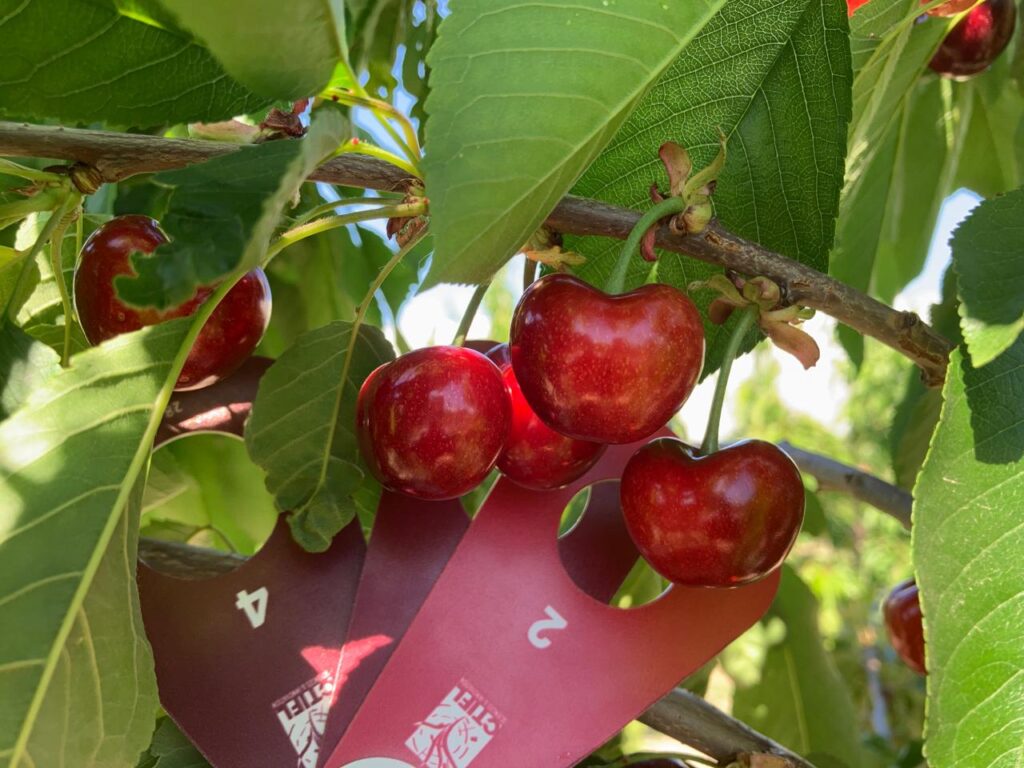
“Subsequently, the sunny and dry weather towards the end of winter and the beginning of spring allows for sufficient degree-days to accumulate, enabling early varieties to start harvesting early, usually from the 42nd and 43rd weeks. It is important to note that our goal in Mendoza is not to compete on volumes but to leverage the strategic opportunity to offer exceptional quality early cherries,” he explained.
The company, present in Mendoza for over 40 years, has specialized in the production of early cherries. These are marketed entirely by air to the European Union, Brazil, the United Kingdom, the Middle East, and the Far East, in addition to supplying major retailers and wholesalers in the Argentine domestic market.
The company currently manages 50 hectares of its own production, mainly in the areas of Luján de Cuyo and the Valle dell'Uco in Mendoza. The cultivated varieties include Royal Dawn, Brooks, Nimba, Pacific Red, Santina, and Lapins, among others.
Source: Portal Frutícola
Image: Portal Frutícola
Cherry Times - All rights reserved