Portrait of a sweet cherry breeder: Gregorio Lopez-Ortega
18 Jan 2024
n this article, José Quero García, member of the technical-scientific committee of Cherry Times, interviewed Gregorio Lopez-Ortega, breeder at the Chilean company Hortifrut.
New varieties are expected to stimulate growth in South Africa's cherry industry, which is still relatively young. The UK is currently the largest importer, but markets in the East are also promising due to high demand. Recent developments have created optimism for future growth, with growers ready to plant new varieties.
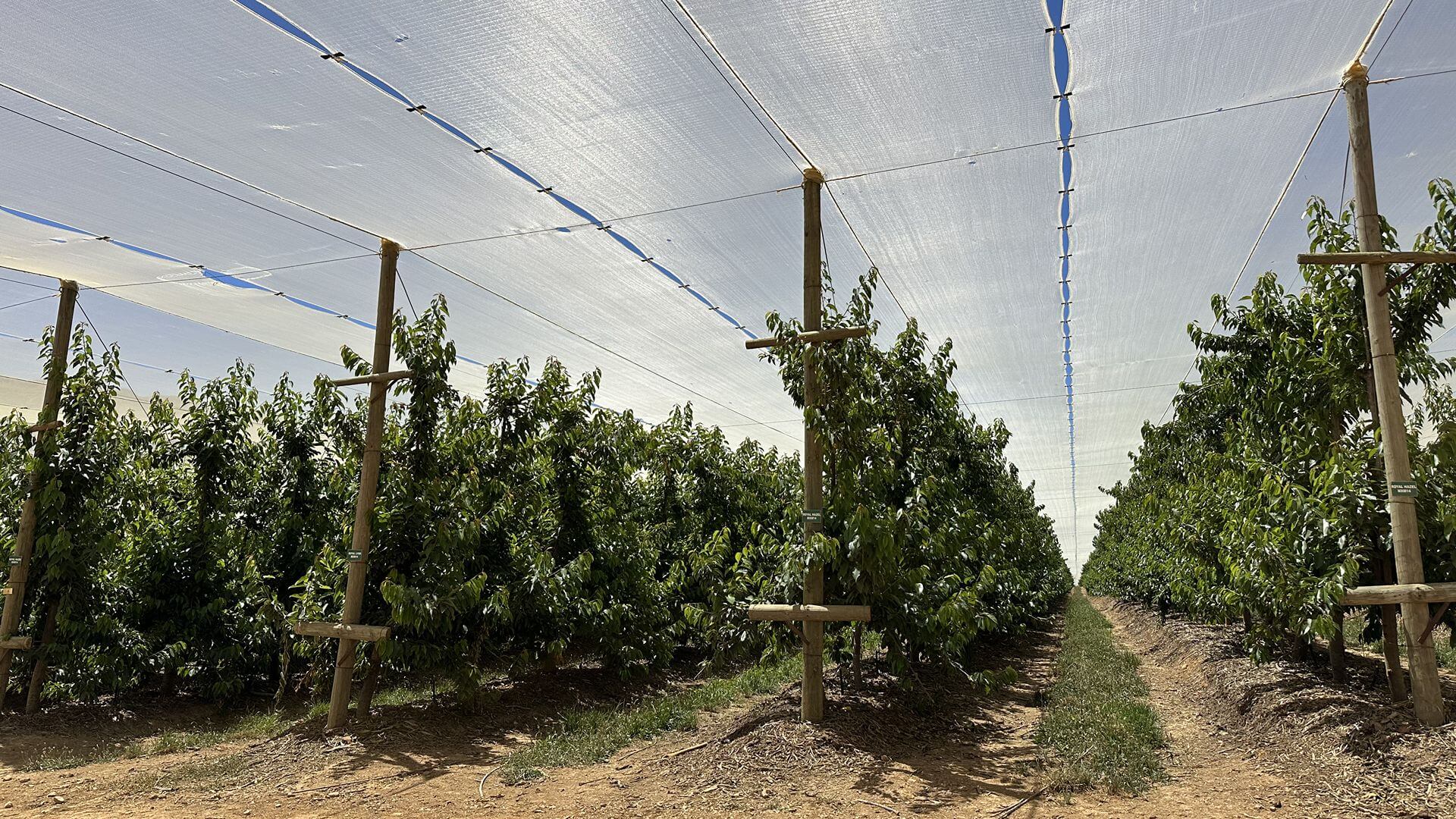
A cherry orchard in Western Cape (South Africa)
South Africa's earlier season compared to Chile, along with established trade relationships for apples and pears, provides a strong foundation for cherry exports. Between 2021 and 2023, exports more than doubled. This year, a crop increase of 15-25% is expected if conditions remain favorable.
Last year, 2,000 tonnes were produced, with 45% exported, primarily to the UK. Growing markets in the Middle East and Asia, including Malaysia, Hong Kong, and now Vietnam, are also being targeted. The South African season, mainly in December and January, benefits from lower competition in shipping compared to other fruit seasons.
Read full article: Fruitnet
18 Jan 2024
n this article, José Quero García, member of the technical-scientific committee of Cherry Times, interviewed Gregorio Lopez-Ortega, breeder at the Chilean company Hortifrut.
26 May 2025
Tom Kon from North Carolina State University investigates chemical and cultural techniques to stimulate lateral branching and improve fruiting wood. Field trials show promising outcomes, though some methods remain labor-intensive or unsustainable.
20 Apr 2026
In 2025, Moldova reached a record in sour cherry exports, surpassing domestic consumption, with 55% of output shipped abroad. Rising prices and lack of irrigation are affecting fruit quality, yields and the overall competitiveness of the national cherry supply chain.
20 Apr 2026
In Chile’s cherry sector, oversupply and rising costs are reshaping the market. According to Raimundo Cuevas, not all orchards will survive: higher productivity, new varieties and a redefinition of growing areas will be essential to maintain profitability in the coming years.