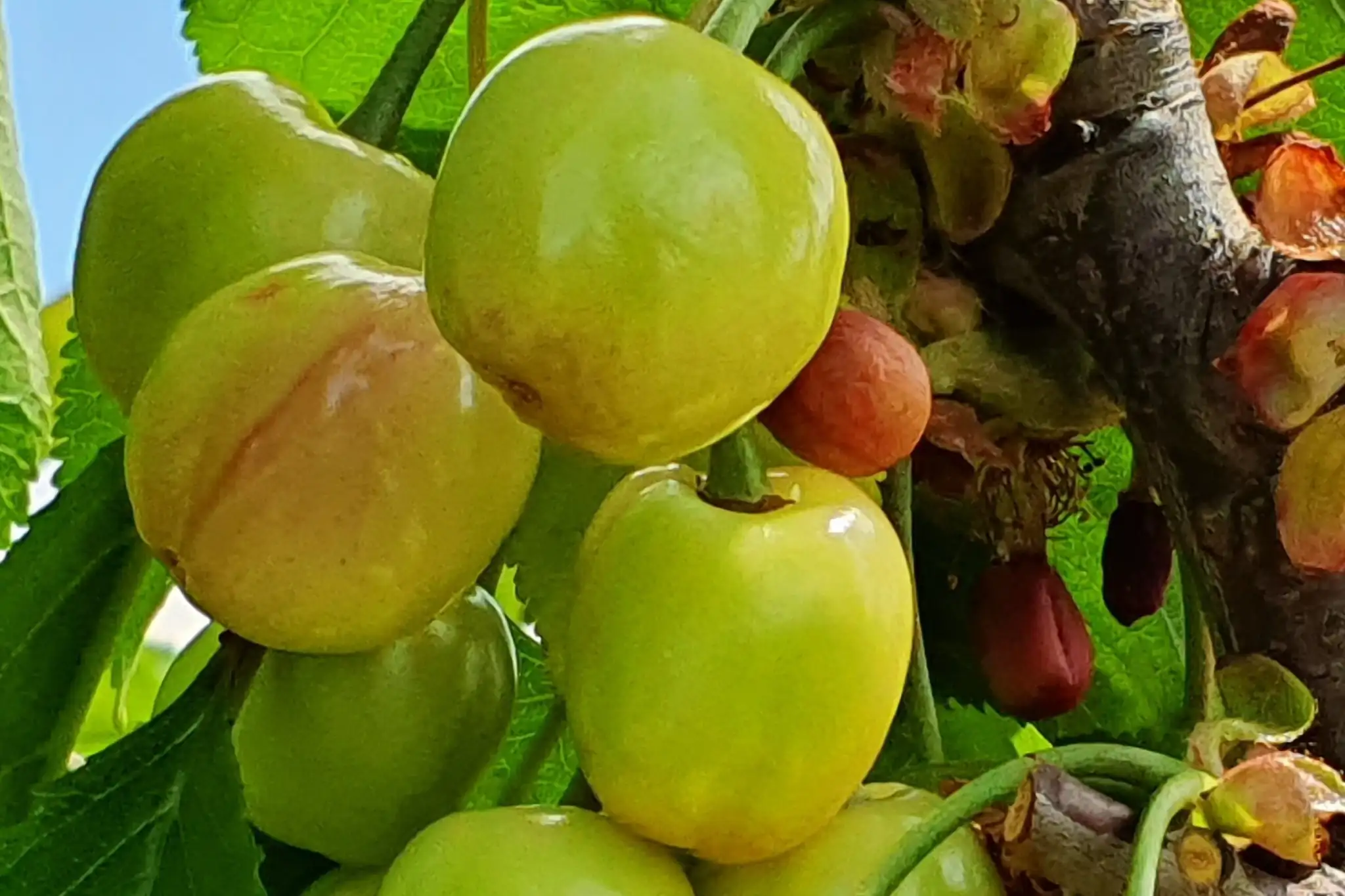
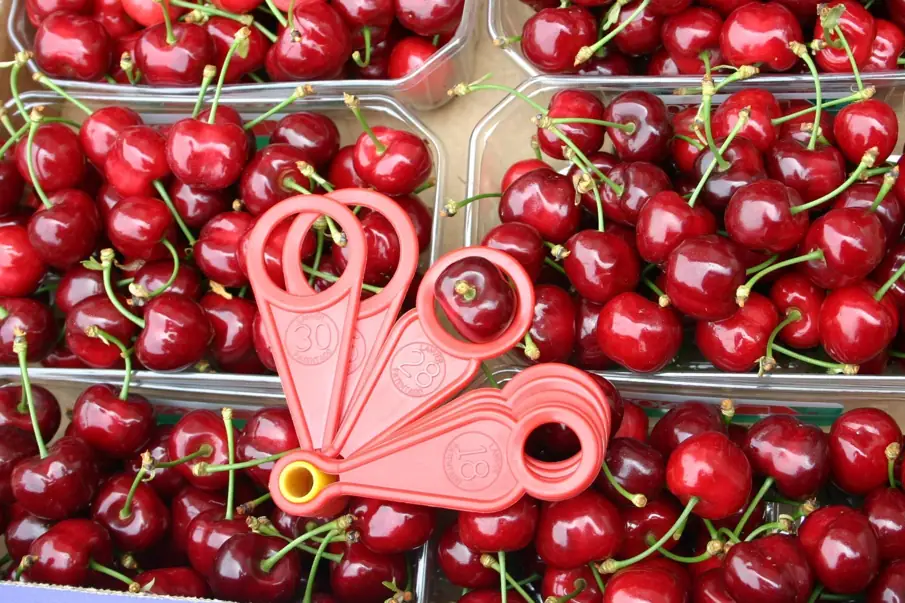
Cherries, particularly the Prunus cerasus (sour cherry) and Prunus avium (sweet cherry), have been celebrated for centuries for their taste and cultural significance. Beyond their symbolic representation of renewal, cherries are now at the forefront of modern pharmaceutical and cosmetic products, supported by extensive scientific research and industrial applications.
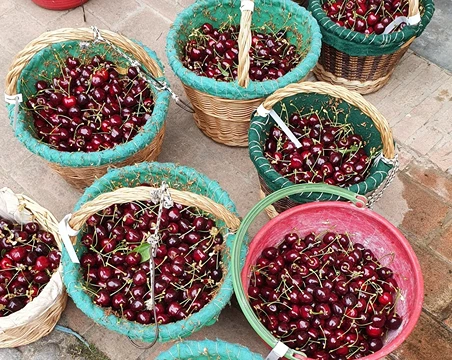
Rich in flavonoids, anthocyanins, and phenolic acids, cherries are renowned for their strong antioxidant and anti-inflammatory properties. Studies have shown their ability to reduce oxidative stress, a key factor in chronic conditions such as cardiovascular diseases, arthritis, and metabolic disorders. Cherry extract, in particular, has proven effective in reducing muscle pain, improving sleep quality due to its natural melatonin content, and managing inflammatory responses.
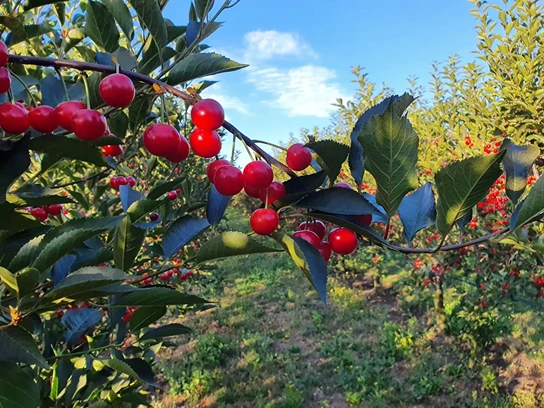
Recent advancements in the field of nanotechnology have optimized the biodisponibility of cherry extracts. Research highlights the use of nanoparticles to protect the stability of bioactive compounds during digestion, ensuring their effectiveness at the cellular level.
Cherry derivatives are highly sought after in skin care for their antioxidant and moisturizing properties. Studies show that cherry extracts can improve product formulations, enhancing foam stability and viscosity in applications such as moisturizers and shower gels.
Cherry pits, often considered waste, contain powerful antioxidants such as cumarolic derivatives and flavonoids. These compounds have been shown to protect skin cells from oxidative stress, making cherry derivatives a sustainable choice for natural cosmetics.
Leading companies such as Shiseido and The Body Shop incorporate cherry blossom and fruit extracts into their skin care lines to combat aging and promote hydration. Kérastase, a leader in hair care, integrates cherry seed oil for nourishment and shine.
Cherries are also widely used in the food and beverage industry. Iconic products include Luxardo S.p.A.'s cherry liqueurs, MARASKA d.d. cherry brandy, and artisanal cherry liqueurs from LEOPOLD BROS. These companies combine tradition and innovation, highlighting the natural flavors of cherries and their health benefits.
In perfumery, the delicate floral and fruity notes of cherries are often replicated using aldehydes and synthetic aromatic compounds. Unlike cosmetics, the perfume industry relies on these compounds to mimic cherry scents, ensuring consistency and sustainability in fragrance production.
Cherries and their extracts represent the intersection between tradition and cutting-edge science. From reducing oxidative stress to enhancing beauty products, their diverse applications make them valuable across all sectors. Supported by clinical research and industrial innovation, cherries remain a natural concentrate of health and beauty.
Images: Ahmad Jalliko; SL Fruit Service
Ahmad Jalliko
R&D Chemist & Cosmetics
Cherry Times - All rights reserved