British Columbia produces over 90% of Canada’s cherries.
In 2024, the country exported cherries worth more than 12 million dollars (approximately 11 million euros), but extreme weather events can affect production levels. Genome British Columbia funds research collaborations aimed at protecting the future of our food.
According to a statement from the organization, by applying genomic data at the early stages of cherry selection, researchers will help British Columbia growers adapt and remain competitive in a rapidly changing environmental and economic climate.
"Combining genomic tools with growers’ and industry knowledge reduces by years the time needed to develop climate-ready crops," suggests Dr. Federica Di Palma, Chief Scientific Officer of Genome BC.
Scientific collaboration and innovation
"These projects will strengthen local food security and ensure a more resilient economy for British Columbia," said Di Palma.
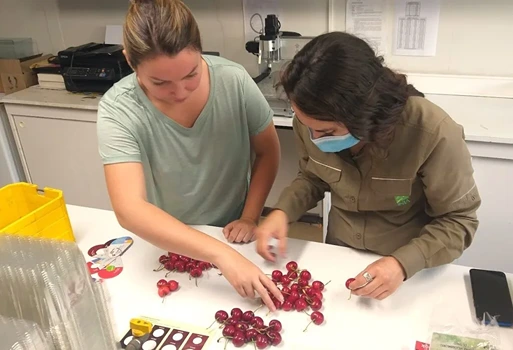
A collaboration between Dr. Letitia Da Ros, research scientist in genomics at Agriculture and Agri-Food Canada, and Erin Wallich, intellectual property manager at Summerland Varieties, will use genomics to reduce the 30 years typically required with traditional breeding methods.
The AAFC team will validate new genomic technologies capable of inducing early flowering, which could lead to greater access to new varieties able to adapt to climate change.
"We hope to develop new varieties capable of managing regional stress, including during extreme temperatures," says Dr. Da Ros, "while also working toward staggered fruit production to ensure cherries are available throughout the growing season."
Intellectual property and market
Dozens of cherry varieties grown worldwide "are Canadian intellectual property and generate millions of dollars in royalties each year," Wallich notes.
It is important that these "revenues are reinvested in new technologies, variety development, and commercialization efforts that help maintain British Columbia’s competitive advantage globally."
Opening image source: Stefano Lugli
Knowlton Thomas
Editor-in-Chief of The Midway Advance and Senior Writer at Techcouver
Cherry Times - All rights reserved