How does Canada remain competitive in the global cherry market?
In this video and in the following article, UPOV explores how new cherry varieties and strong public-private partnerships are transforming the sector in Canada.
Discover how plant variety protection is increasing cherry productivity and helping growers stay competitive internationally.
Watch the video
Watch the video:
Read the interview
A conversation with Mr. Anthony Parker, Commissioner for Plant Breeders’ Rights at the Canadian Food Inspection Agency (CFIA), on plant variety protection.
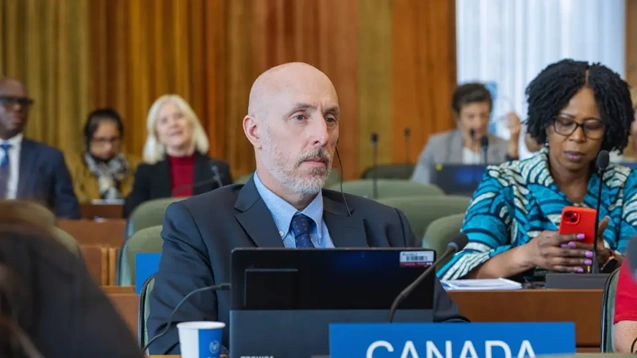 Image 1. Anthony Parker
Anthony Parker, Commissioner for Plant Breeders’ Rights at the Canadian Food Inspection Agency (CFIA), is no stranger to UPOV affairs.
With family roots in agriculture and decades of experience in public service, Anthony has represented Canada in numerous international forums on intellectual property and agriculture, contributing to the global dialogue on plant variety protection.
From global negotiation tables to conducting variety examinations in cherry orchards in British Columbia, Anthony brings a unique and practical perspective to a field at the crossroads of science, policy and food security—an interconnected landscape he perhaps understands better than many.
Role within UPOV
In addition to his national role, he currently serves as Chair of the UPOV Council, the platform where UPOV members take key decisions on the organization’s functioning, set strategic priorities and guide the development and implementation of the UPOV Convention through committee review and the adoption of rules, guidelines and policies.
In this conversation, Anthony reflects on his professional journey, the impact of plant variety protection (PVP) on farmers and local communities, and why fostering innovation in plant breeding is more important today than ever.
You have represented Canada in several international forums related to intellectual property and agriculture, including UPOV.
Could you share some insights from these experiences and how they have shaped your perspective on international cooperation in plant variety protection?
Mr. Parker: Representing Canada in international forums such as UPOV has deepened my understanding of the importance of global cooperation.
Harmonized systems reduce barriers to innovation and trade, while shared values of fairness and access help build trust.
These experiences reinforced the need for inclusive dialogue and evidence-based policymaking to ensure that PVP systems serve all stakeholders, from small farmers to international breeding companies.
Professional journey
What motivated or inspired you to pursue a career in this field?
Mr. Parker: I did not follow a linear path into this career; it was more of a winding journey that unfolded over time. I grew up on a farm, surrounded by plants and rural life, but I did not have a clear vision of where it would lead.
It was only when I accepted a summer student job at the Department of Agriculture that I discovered the world of public service and agricultural policy. That experience planted the seed—literally and figuratively—for a career that eventually led me to the Canadian Plant Breeders’ Rights Office.
Impact of PVP
Could you provide some examples of the impact of plant variety protection and the benefits it brings to local communities?
Mr. Parker: In Canada, PVP has had a very tangible impact.
It has enabled the development and commercialization of varieties suited to local climates and growing conditions, from drought-resistant wheat on the Prairies to disease-resistant fruit trees in British Columbia.
These innovations help farmers improve yields, reduce production costs and adapt to changing environmental conditions.
PVP also supports seed companies and public breeding institutions, fostering a more diverse and resilient agricultural ecosystem.
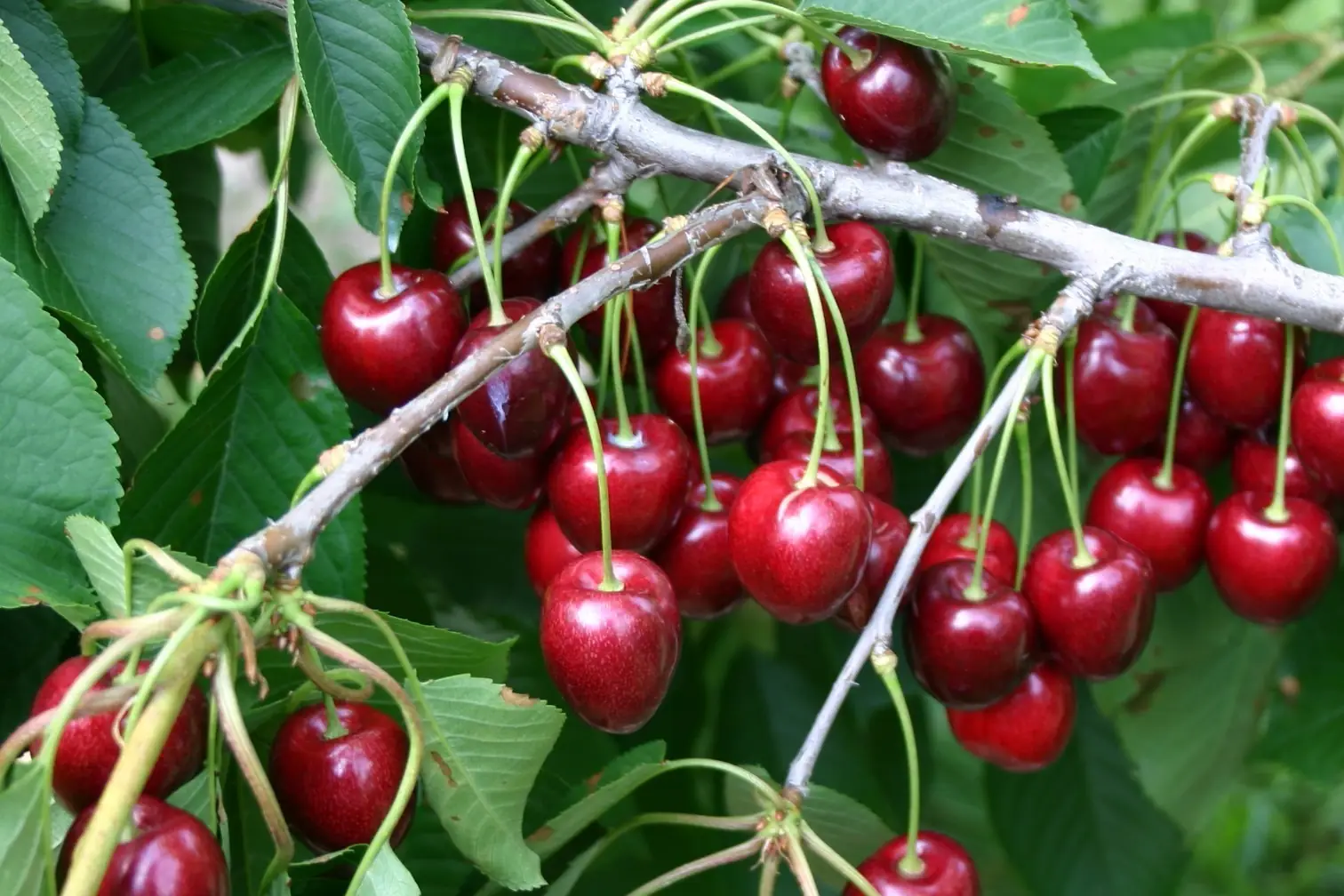
A striking example is the success of protected cherry varieties developed in British Columbia: Staccato, Sentennial and Sovereign.
These late-season cherries have extended the harvest window, allowing growers—many of them small and medium-sized orchards—to reach high-value export markets and improve profitability.
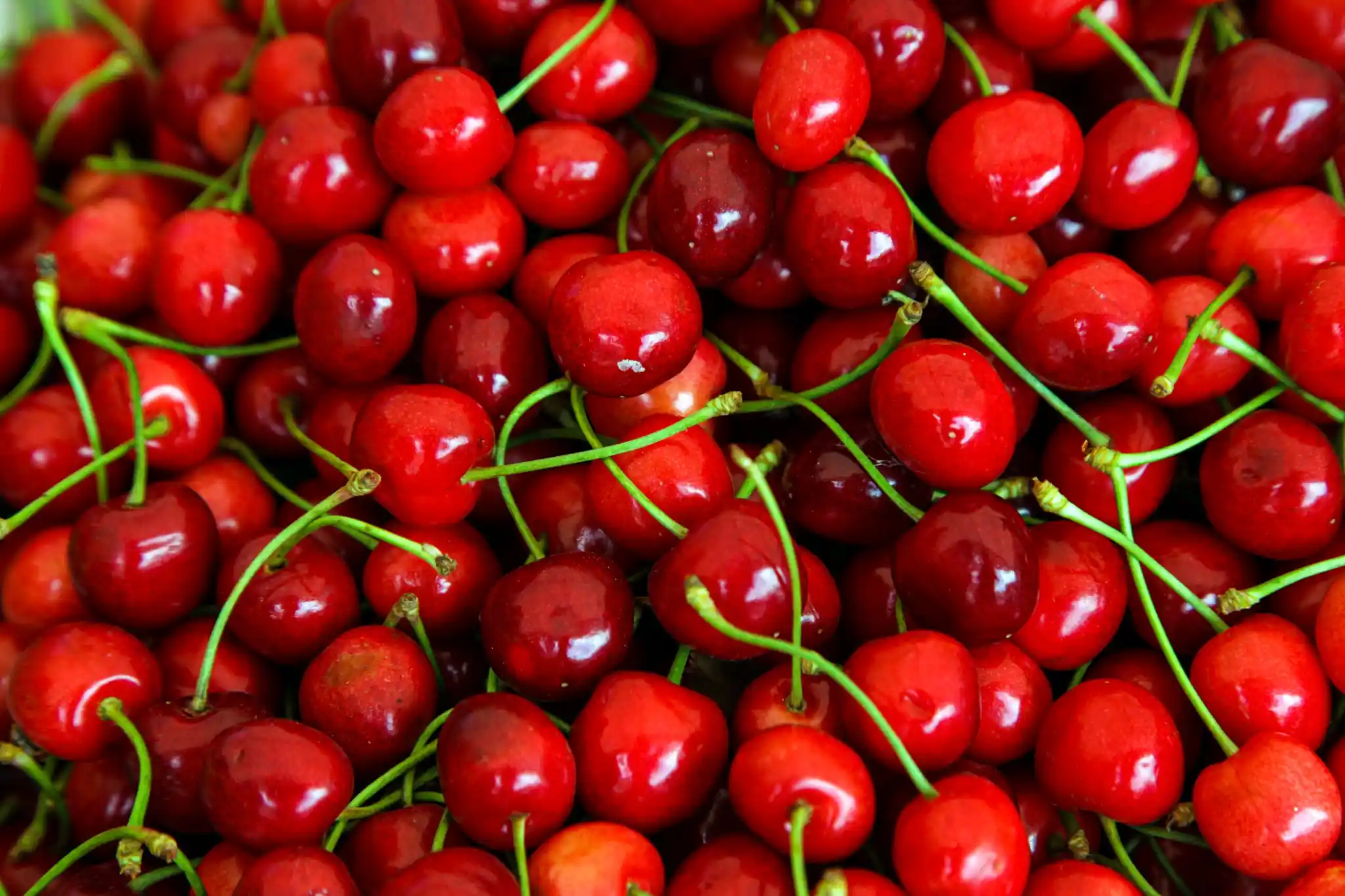
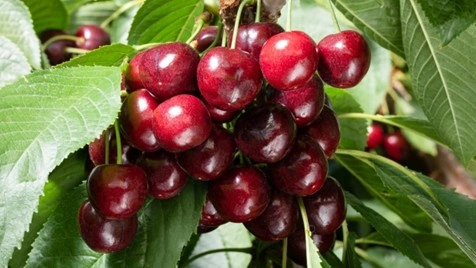 Image 2. Detached cherries pictured at the Agriculture and Agri-Food Canada Research and Development Centre in Summerland, British Columbia (BC Cherry Association)
Development and licensing
The varieties were developed by the Agriculture and Agri-Food Canada breeding program and licensed to the market through a grower-owned company, Summerland Varieties Corp.
Through the Canadian PVP system, they were protected and licensed to nurseries and growers, ensuring quality and controlled propagation.
Growers adopted them based on performance trials, market demand and traits such as firmness, sweetness and storability.
Collaboration was key: breeders, researchers, growers and marketers worked closely together, with producer feedback influencing breeding decisions. A central challenge is balancing protection and access.
In this case, Canada adopted a strategic licensing approach that granted domestic growers priority access before international rollout. This strengthened national competitiveness while contributing to global food systems. It demonstrates how PVP can be both an economic and policy tool when carefully designed.
Economic trends
From an economic perspective, what trends or outcomes have you observed since Canada adopted a modern PVP system?
Mr. Parker: Since Canada joined UPOV in 1991, we have seen a steady increase in protected varieties and greater private-sector investment in plant breeding.
This has led to more competitive seed markets, greater variety choice for farmers and improved agricultural practices.
PVP has also facilitated international trade by aligning the Canadian system with global standards, making it easier to export and adopt Canadian-bred varieties abroad.
According to a report by IP Canada, there was an increase in plant variety protection applications following the 2015 amendments to the Canadian Plant Breeders’ Rights Act, which aligned it with the 1991 Act of the International Convention for the Protection of New Varieties of Plants (UPOV 1991).
Mr. Parker: The economic benefits of PVP are multifaceted: increased sales of high-performance varieties, improved yields and higher quality translate into stronger harvests. More resilient and resistant varieties lead to more efficient farming practices, enhancing competitiveness in global markets.
Farmers gain access to a broader range of varieties, while breeders are fairly rewarded for their innovation, creating a continuous cycle of investment and improvement.
Environmental impact
What about the environmental impact of PVP in relation to climate change and food security?
Mr. Parker: PVP plays a crucial role in addressing climate change and food security.
By incentivizing the development of resilient and high-performing varieties, it helps farmers adapt to extreme weather events such as drought and high pest pressure. Protected varieties often require fewer inputs, are bred for pest and disease resistance and can thrive in marginal conditions, contributing to more sustainable agricultural systems.
For example, a new wheat variety called “AAC Westking” will be launched on the Canadian market this year by SeCan, a private not-for-profit seed organization.
This new variety offers yield advantages over existing varieties while maintaining consistent performance across a wide range of environments, including drought years. Field observations at drought-stressed sites show good grain fill and large kernel size under extreme moisture stress. In this way, PVP supports both environmental stewardship and long-term food availability.
Communication and conclusions
What are some of the benefits for farmers, public plant breeding institutions and the various actors along agricultural value chains?
Mr. Parker: Farmers gain access to improved varieties that increase productivity and profitability.
Public breeding institutions benefit from the ability to protect and license their innovations, generating revenue to reinvest in research. Across the value chain, PVP encourages collaboration between public and private actors, accelerating innovation through knowledge sharing and joint ventures.
How can policymakers better communicate the value of PVP?
Mr. Parker: By focusing on tangible results.
Success stories that demonstrate how PVP leads to better yields, climate resilience and economic growth have far greater impact than abstract policy language. Clear and accessible messaging helps build understanding and public support.
Should breeders and farmers also play a role in communicating these benefits?
Mr. Parker: Absolutely. Breeders and farmers are the most credible voices when it comes to demonstrating the value of PVP. Their lived experiences and testimonies help demystify the system and show how it directly benefits farming communities. Peer-to-peer communication, field days and collaborative platforms are powerful awareness tools.
Why do you believe plant variety protection is important?
Mr. Parker: Because it creates a framework where innovation is rewarded, farmers are empowered and agriculture can evolve to meet future challenges. It is not only about protecting intellectual property, but about fostering progress, expanding access to innovation and ensuring a productive and sustainable food system.
Any final words?
Mr. Parker: Agriculture lies at the heart of human survival and prosperity. As we face climate change, population growth and shifting global dynamics, the UPOV plant variety protection system will be essential in identifying the solutions we need. I am proud to contribute to this work and optimistic about our ability to meet future challenges.
Source of text and images: UPOV
Cover photo: Stefano Lugli
Cherry Times - All rights reserved