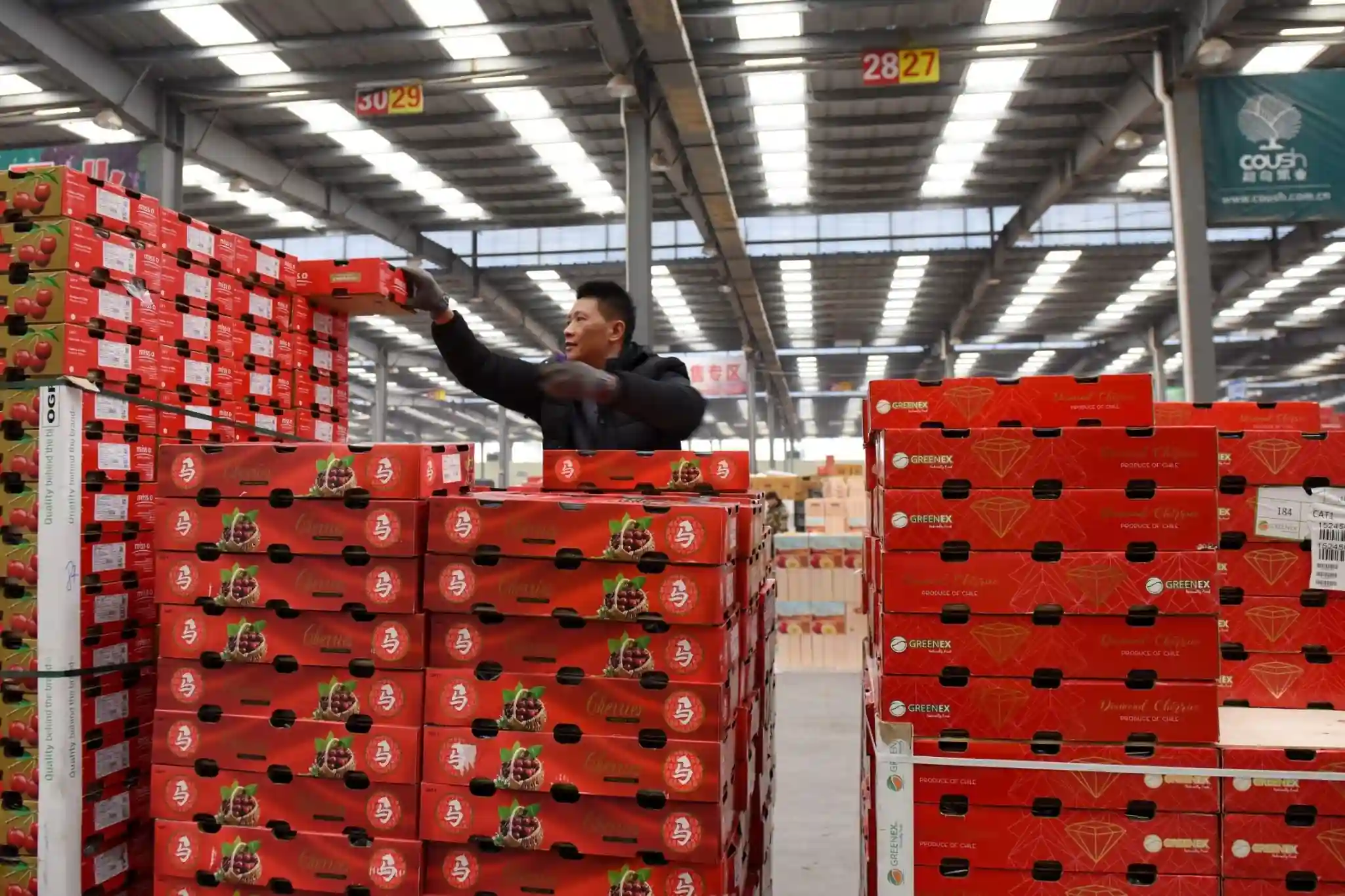
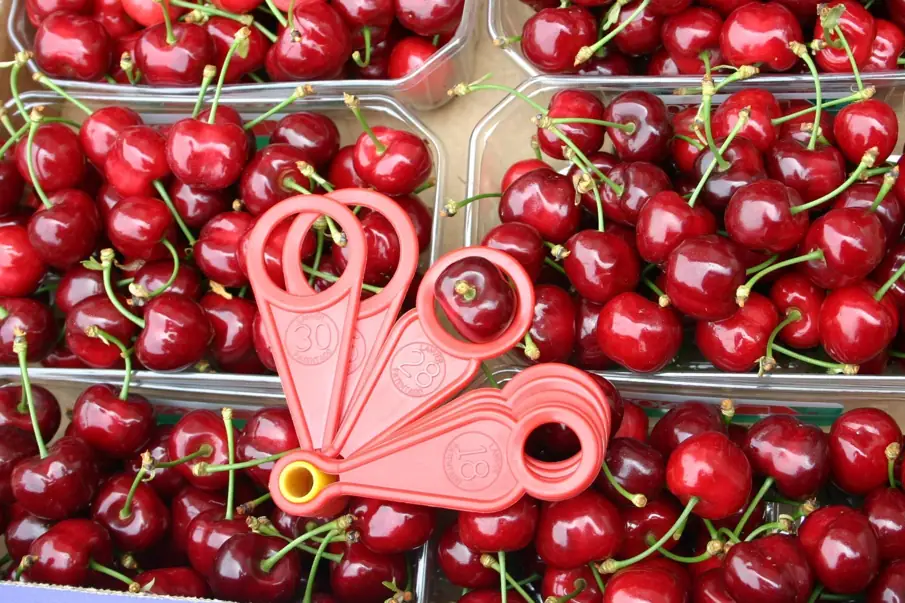
Once a symbol of imported luxury, cherries are now emerging as a key pillar of China’s domestic production, driven by targeted policies and agricultural innovation.
For years, cherries represented a small seasonal luxury for Chinese consumers, often sourced from abroad — particularly from Chile — and associated with special occasions or prestigious gifts.
Today, however, China has shifted gears. From being a simple importer, it is transforming into one of the world’s leading producers, with the aim of meeting growing domestic demand and reducing reliance on foreign supply.
Shandong leads the transformation
In 2024, according to the Financial Times, cherry consumption in China is expected to reach around 1.5 million tonnes. Of this total, as much as 900,000 tonnes will be grown domestically, while the remainder will continue to be supplied largely by Chile, the country’s main trading partner in this segment.
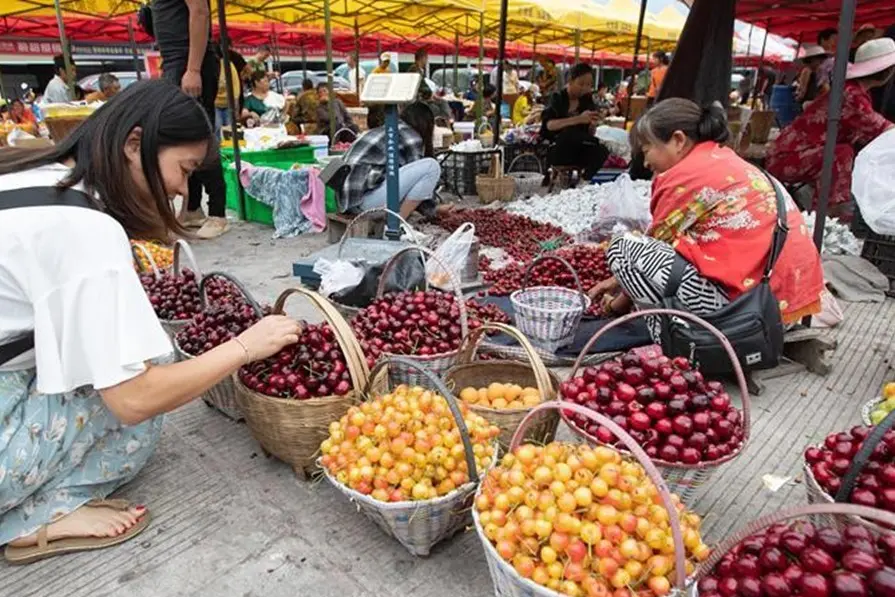
The heart of China’s cherry production lies in the eastern province of Shandong, which has become in just a few years the country’s leading cherry-growing hub. This success stems from a well-coordinated strategy implemented by local authorities, who identified cherries as a high value-added crop and encouraged farmers — particularly apple growers — to convert their operations.
This strategic shift has had a dual effect: on the one hand, it has increased domestic supply; on the other, it has reshaped consumer perception, with cherries now increasingly seen as a locally produced fruit rather than an exclusively imported one.
Prices, which are more affordable than Chilean varieties, are contributing to a wider penetration of the fruit across mid-market consumer segments.
The Yunnan model
Another emblematic case comes from Midu County, in Yunnan province. Here, an entrepreneur has challenged adverse climatic conditions by adopting an innovative technological solution: cold storage facilities powered by wind energy, designed to simulate the winter dormancy required by cherry trees.
The infrastructure has been supported by the local government, which has built custom irrigation systems to promote the development of cherry cultivation.
This approach demonstrates how, even in areas not traditionally suited to fruit growing, new supply chains can be established through synergy between private investment and smart public policies.
Towards a new balance
The growth of domestic production does not signal the end of imports, but rather a rebalancing of market dynamics. While Chilean cherries retain a competitive advantage in terms of seasonality — thanks to the Southern Hemisphere counter-season — Chinese local varieties are steadily gaining ground in both volume and diversity.
This transformation also has broader implications for China’s agricultural policy, which is increasingly focused on food sovereignty and the promotion of high-income crops.
In this context, cherries are emerging not only as a symbol of prosperity, but as a strategic asset for the future of the country’s agriculture.
Source: MC WORLD DESK
Image source: Global Times News cn
Cherry Times - All rights reserved