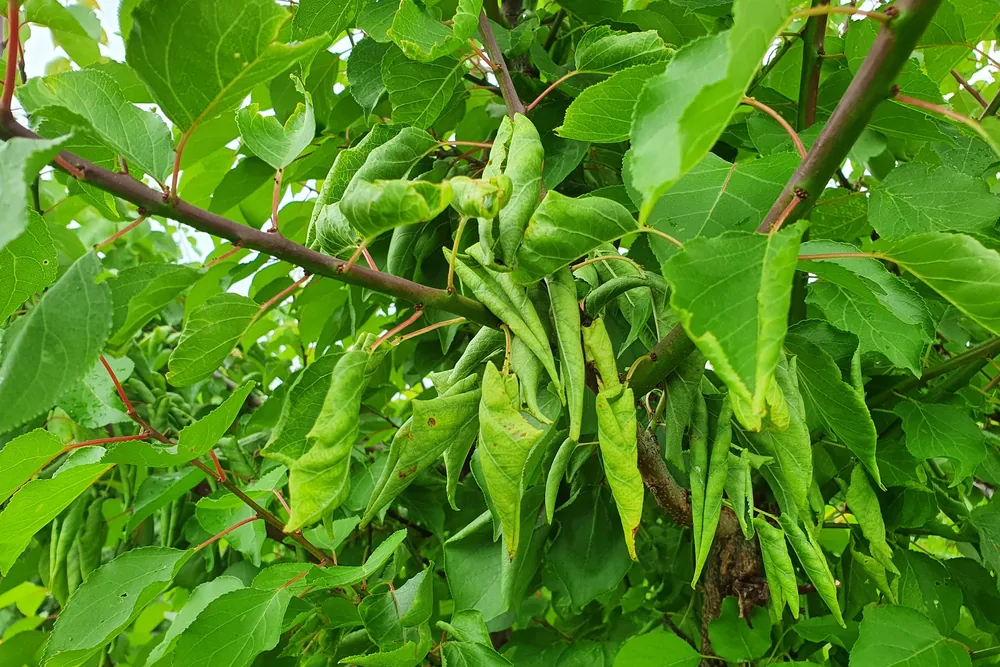
Italian cherry production is becoming increasingly exposed to the effects of the climate crisis.
Late frosts, heavy rainfall during flowering and ripening, sudden temperature fluctuations and strong winds are making one of the flagship products of Italian agriculture increasingly difficult and costly to plan and manage.
The decline in production is not always offset by an increase in yield per hectare, and the result of this growing harvest volatility is reflected directly in prices.
From the field to the supermarket shelf, in fact, the gap between what farmers are paid and what consumers pay is becoming increasingly wide.
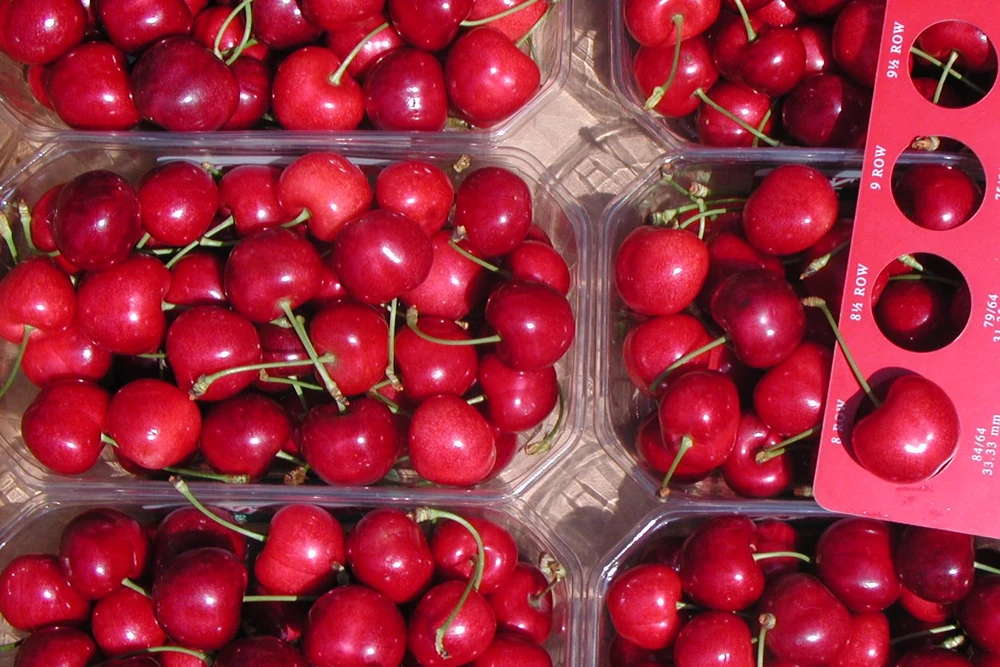
Italian cherry production data: why the sector is facing a crisis
According to the Istat report published on 4 September 2026, between 2006 and 2025 cherry production recorded a 20.9% decline, accompanied by an 18.5% decrease in yields. Yet Italy remains one of Europe’s leading producers.
According to the latest Ismea data, Italy produces an average of 97,000 tonnes of sweet cherries per year, accounting for 17% of European Union production. Only Spain ranks ahead of Italy, with 20%. It is followed by:
- Greece, with 15%;
- and Poland, with 12%.
In terms of cultivated area, according to Eurostat, Italy and Spain also share the European lead, with around 28,000 hectares devoted to cherry cultivation.
The problem, therefore, is not the absence of an important supply chain, but the growing difficulty in maintaining stable production.
The damage caused by climate change
Cherry production is already a high-cost activity. Harvesting is still largely manual, while the product itself is particularly delicate and must be marketed quickly.
When the damage caused by extreme weather events is added to these structural challenges, the economic sustainability of the entire supply chain is inevitably put at risk.
This is how climate change, in addition to threatening the volume of cherries available, also becomes an additional cost for their production.
In Puglia, for example, as reported by Massimiliano Del Core, president of Confagricoltura Bari-Bat, these phenomena have pushed production in some of Puglia’s historically most profitable areas below the minimum threshold of economic sustainability.
Just two night frosts during bud development, eight days of rain during flowering, followed by strong sirocco and mistral winds during fruit growth and ripening, were enough to cause this disruption.
The regions facing the greatest difficulties
It is above all in Puglia that weather conditions have placed the greatest strain on the cherry-growing sector, which is also one of the largest in Italy. According to Ismea, the region accounts for around 65% of Italy’s cherry-growing area and 35% of national production volumes.
The situation of cherry orchards in Puglia has also been highlighted by WWF Italy, which reported in a study on the damage caused by the climate crisis that cherry harvests fell by 70% in 2025, with losses reaching 100% in several areas of southeastern Bari province, mainly due to frosts in March and April.
The frost damaged the flowers at the most delicate stage of the production cycle, compromising subsequent fruit development.
The collapse in Puglia then triggered a chain reaction throughout the entire supply chain. As experts have explained, when an area that accounts for most of the cultivated acreage is severely affected, supplies also become scarce at national level and prices inevitably rise.
This phenomenon is known as climateflation, meaning an increase in food prices linked to the effects of climate change on product availability. As a result, during the same period as the crisis in Puglia, cherry prices increased across Italy.
In some major cities, cherries reached €20 per kilogram, with average prices ranging between €10 and €15, while the highest price – €23 per kilogram – was recorded in Milan.
How much have cherry prices increased?
The upward trend in costs has effectively been continuing for years. According to Ismea:
- in 2024, the season ended with farm-gate prices up 4%, with average prices rising from €3.30 to €3.44 per kilogram. During the same period, the retail price of packaged cherries reached €8.68 per kilogram, an increase of 4.8%;
- in 2025, limited supply pushed wholesale prices even higher. The Bari Commodity Exchange bulletin recorded prices ranging between €6 and €8 per kilogram for the Ferrovia variety, between €4.50 and €6 for Bigarreau cherries and between €5 and €6.50 for Giorgia cherries.
The situation changed in 2026, and once again weather conditions played a major role.
This time, however, the absence of late frosts and favourable weather conditions allowed productivity to recover and prices to decline. More specifically:
- average farm-gate prices fell to €2.38 per kilogram (-15.4% compared with historical levels, according to Ismea Mercati);
- wholesale prices ranged from €3.00 to €7.00 per kilogram (with early varieties such as Bigarreau ranging between €4.00 and €8.00 per kilogram, while smaller sizes fell as low as €2.00).
However, this did not translate into any benefit for consumers. Due to the war in the Middle East and the resulting Hormuz crisis, rising logistics and transport costs kept retail prices at higher levels, ranging from €10.00 to €17.00 per kilogram in urban markets and supermarkets.
For this reason, cherries are still perceived as expensive, household consumption has declined and, once again this year – although for different reasons – harvesting costs more than growers earn from selling the fruit. The risk is that, if this trend continues, in the coming years Italian cherries may no longer reach supermarkets and, ultimately, our tables.
Image source: Stefano Lugli
Federica Petrucci
EDITOR SPECIALISING IN ECONOMICS AND CURRENT AFFAIRS, QUIFINANZA
Cherry Times - All rights reserved