LFP Gmbh in Bassenheim (D) is the owner of the varieties developed by Hilmar Gräb's breeding programme in Kettig (D). The main objectives of the programme are to select cherry varieties with a late ripening period, good size, texture and quality, fruit tolerance to cracking and good shelf life.
In 2019, the first three new varieties were licensed, all of them late (Regina age) or extra late (Staccato® age and beyond): KIR Vulcano® KSG 16 A*, KIR Lamour® KSG 24 A* and KIR Rosso® KSG 03 A*.
Their patent protection and international commercial dissemination is taken care of by LFP Lizenzen für Früchte und Pflanzen GmbH.
Along with these varieties, the genetic improvement project has new cherry genotypes, late or extra-late, some of them of the two-colour type, Rainier type, at an advanced stage of selection and dissemination. Below, in order of ripeness, are the main characteristics of the three varieties. The observations refer to the original growing environment (Source: Gräb Gbr).
KIR Vulcano® KSG 16 A*
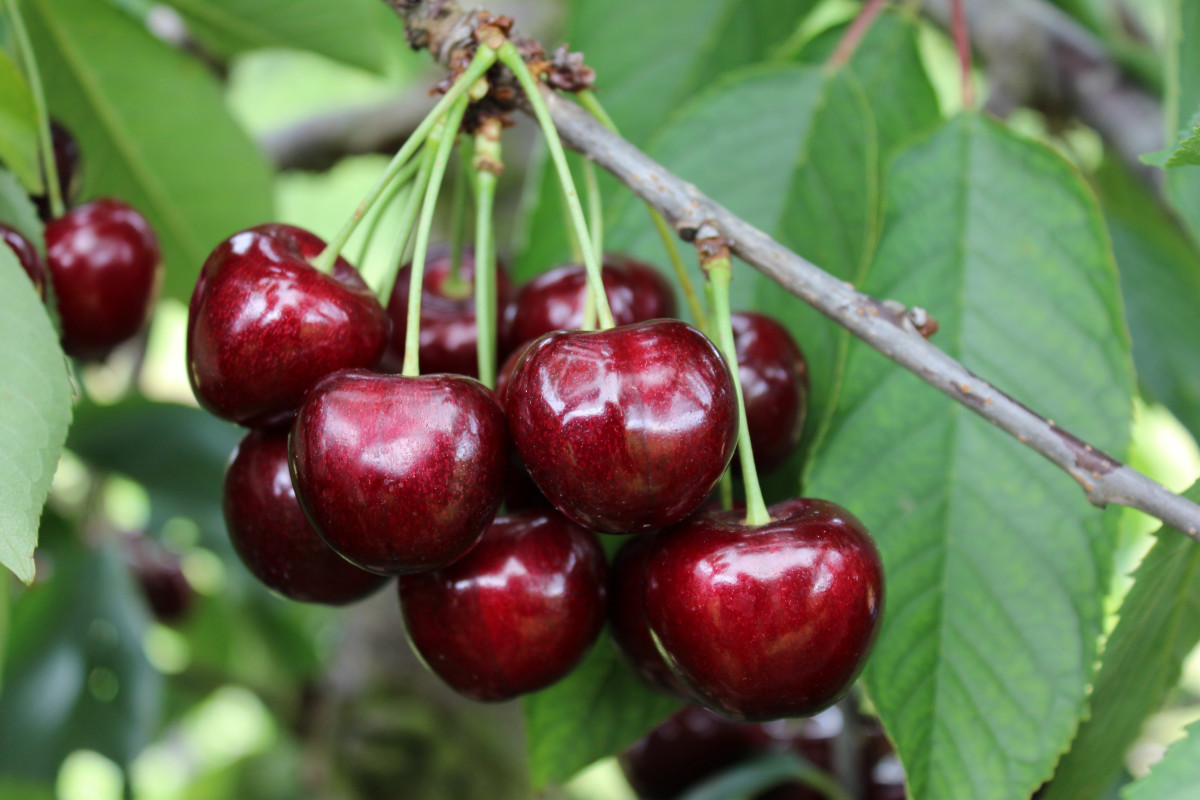
- Ripening: together with Regina.
- Flowering: late; self-incompatible (S2S4).
- Fruit: purple-black, large (28-32 mm), very firm (D: 80-82) and juicy flesh, sweet (17-19°brix) and very aromatic.
- Medium-long stalk.
- Low to medium sensitivity to cracking, limited to the peduncular area.
- Very good shelf life.
- Tree: medium-high vigour, good lateral branching.
- High and constant production.
- Sensitivity to bacterial diseases similar to Sweetheart®.
KIR Lamour® KSG 24 A*
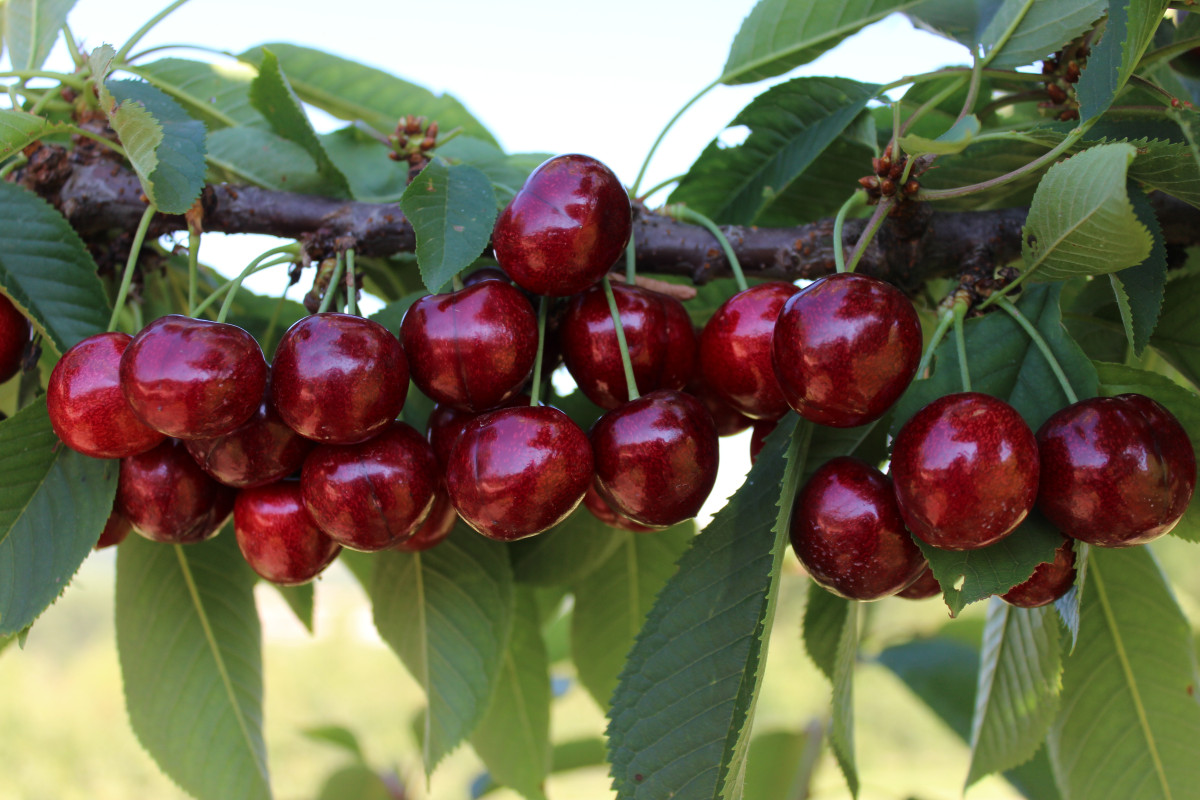
- Maturation: together with Sweetheart®.
- Flowering: intermediate; self-fertile (S3S4').
- Fruit: carmine red, shiny, large (30 mm), firm (D: 73-75) and juicy flesh, very sweet (19-20°brix) and aromatic.
- Medium stalk.
- Low to medium sensitivity to cracking, limited to the peduncular area.
- Good shelf life.
- Tree: medium vigour, compact and spur. Suitable for rootstocks with good vigour and central axis training forms.
- Good to high production.
- Sensitivity to bacterial diseases similar to Sweetheart®.
KIR Rosso® KSG 03 A* 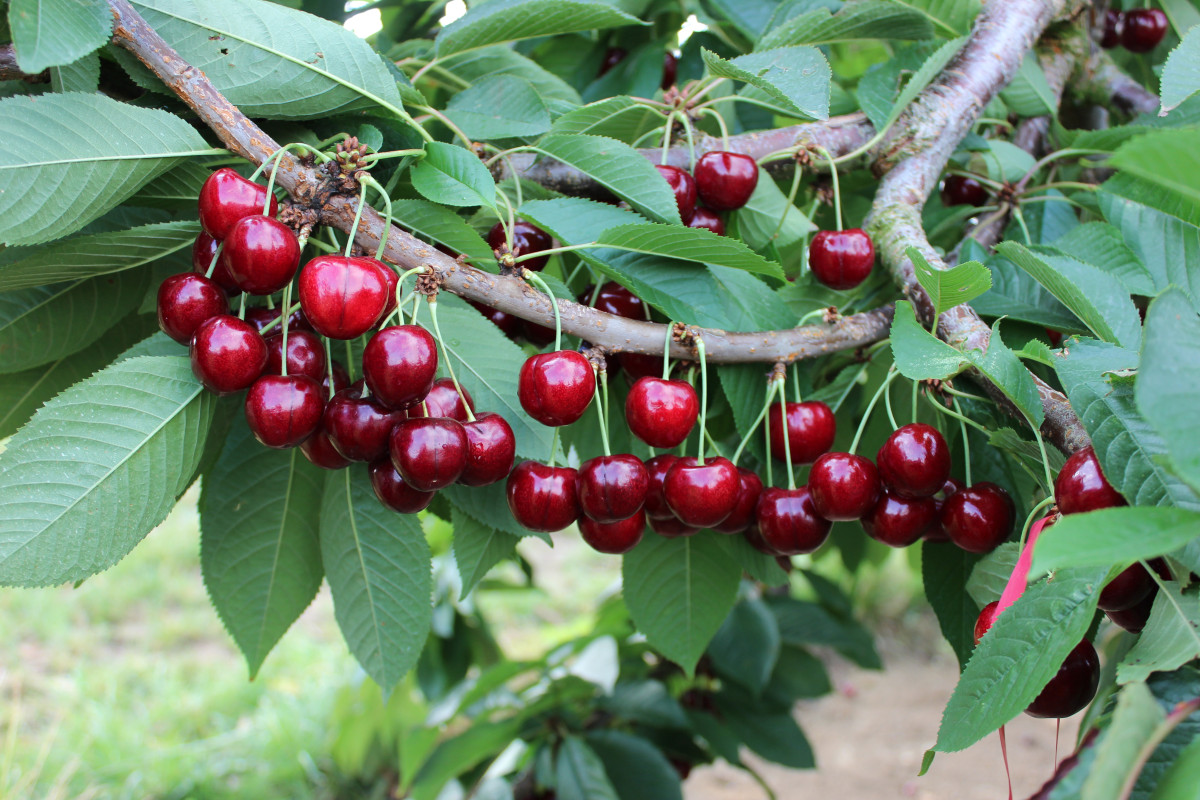
- Maturation: +20 days Staccato®.
- Flowering: intermediate; self-fertile (S3S4').
- Fruit: dark red, shiny, large (27-30 mm), very firm (D: 85-88) and juicy, sweet (18°brix) and aromatic flesh.
- Medium stalk.
- Low susceptibility to cracking.
- Good shelf life
- Tree: medium-high vigour, good lateral branching.
- High and constant production.
- Sensitivity to bacterial diseases similar to Sweetheart®.
Cherry Times - All rights reserved