Here is the new Cherry Times Magazine
07 Oct 2024
Cherry Times Magazine is back in print and digital format full of content, news and information on the world of cherries. Pick up your free copy at Fruit Attraction (Madrid) in the Press Area!
The first experiences with cherry breeding at the VSUO in Holouvosy in the Czech Republic date back to the late 1960s. The main variety selected from this programme is Kordia, which in recent years has become one of the world's leading varieties in the medium-late ripening period, mainly due to its high fruit quality standards.
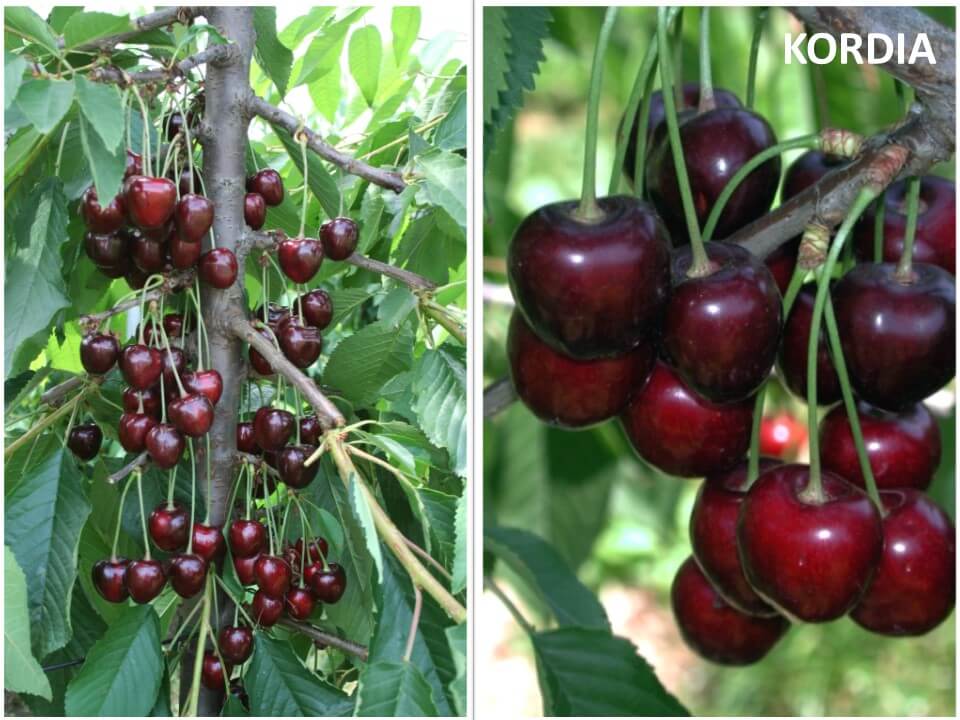
The primary objectives of the WSUO programme are cherry quality (size, texture and colour), resistance to cracking and rot, shelf life and plant productivity. MAS technologies are used in the breeding programme for the early selection of genotypes on several traits: self-fertility, spring frost resistance, drought and climate change tolerance and low chilling requirements.
WSUO, besides Kordia, has commercially propagated 28 cherry varieties. The best known are Early Korvik, Christiana, Felicita, Irena, Justyna, Kasandra, Tamara, Techlovan, Tim and Vanda.
Below is the report of Lubor Zelený, cherry breeding project manager at WSUO in Holouvosy, presented at the workshop on cherry variety innovation at Macfrut 2023.
07 Oct 2024
Cherry Times Magazine is back in print and digital format full of content, news and information on the world of cherries. Pick up your free copy at Fruit Attraction (Madrid) in the Press Area!
07 Mar 2024
Using 116 sweet cherry accessions, researchers analysed 23 agronomic fruit quality traits. The research uses genotyping by sequencing (GBS) to identify genetic markers associated with improved fruit quality.
04 Jun 2026
Chile’s cherry sector must reduce its dependence on China and shift 30% of exports toward new markets. Agronomy, varieties, quality, packaging and commercial strategy are becoming decisive to protect value, competitiveness and the long-term future of the industry.
04 Jun 2026
Study on sweet cherry and pedunculate oak in Austria and Croatia shows how growth, SLA and phenology depend on site, soil and local climate. Phenotypic plasticity and individual variation reveal key pathways for adaptation and resilience of European forests to climate change.