

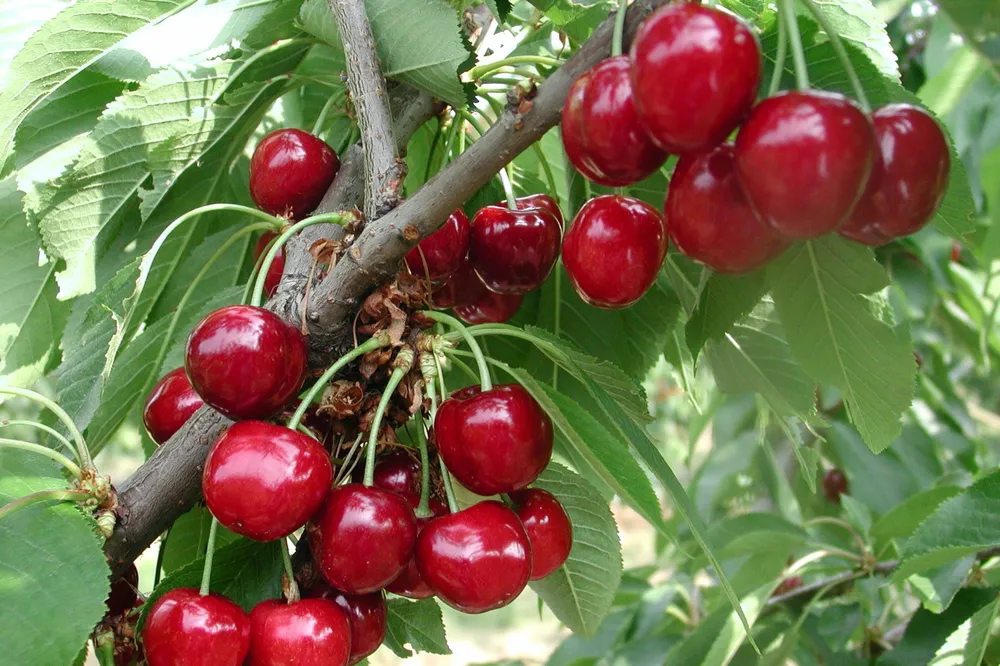
Cherry fruit quality: from sugar content to genetics
05 Mar 2025
The study conducted by Spanish and US researchers explored the genetic factors behind key factors influencing the taste of sweet cherries, including sugar and acid content.


The 2024 edition of the magazine is almost finished and will be distributed for the first time at Fruit Attraction in Madrid. It will circulate in print and digital versions among the main international players in the cherry sector.
Don't miss the opportunity to include your company among the magazine's partners and support the development of the sector.
For more information, contact our team
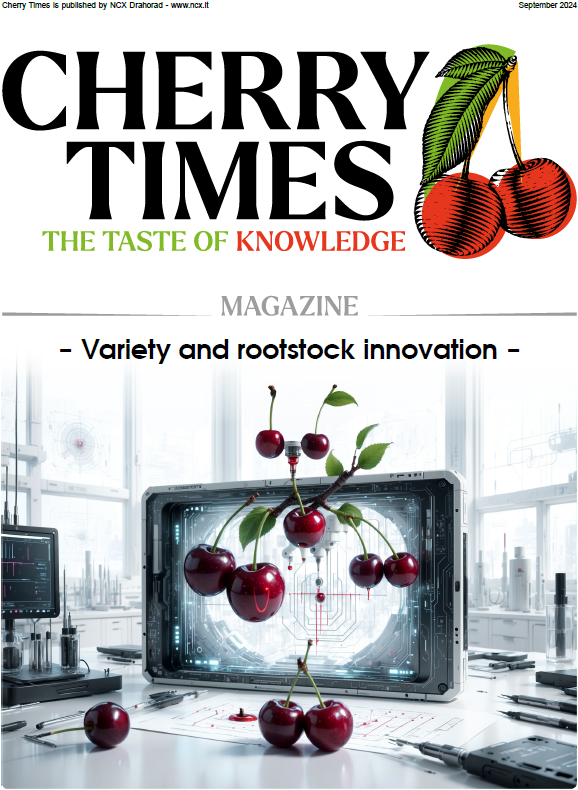
Our annual publication offers a comprehensive and up-to-date overview of the dynamics of the cherry sector, designed for buyers, packers, importers, exporters, producers, service providers and all stakeholders involved in the world of cherries.
In this issue a wide range of content, including technical insights and exclusive interviews with industry experts. Find out about new trends, how the market works and the innovations that are transforming the industry.

05 Mar 2025
The study conducted by Spanish and US researchers explored the genetic factors behind key factors influencing the taste of sweet cherries, including sugar and acid content.

11 Dec 2025
Aragonese cherries are set to enter the Chinese market thanks to Orchard Fruit, a family business led by Menchu Guerrero. Since 2017, the company has followed a scientific and export-driven strategy, inspired by Chile’s model, to bring premium fruit to global markets.





10 Nov 2026
Rain can trigger cherry cracking when water reaches microscopic fissures in the cuticle. Learn how fruit growth, cell walls, pectins, calcium and genetic differences contribute to the onset and spread of damage as cherries mature, and why similar fruits may respond differently.

10 Nov 2026
A Serbian study on Diaporthe eres shows how branch age affects lesion size and dieback in wild cherry. Older branches develop larger areas of necrosis, while tolerant trees generally show less extensive lesions and less frequent branch dieback, highlighting host tolerance.