Cherry trade to international markets represents a logistical and technological challenge. The fruit quality must be preserved from origin to final destination, avoiding loss of firmness, browning, and deterioration caused by fungi and bacteria.
To achieve this goal, it is essential to control temperature, relative humidity, and the composition of gases (O₂ and CO₂) in the product environment during storage and transport.
Based on the analysis of multiple scientific studies, the following optimal ranges have been identified to preserve cherry quality during international transport:
- Oxygen (O₂): 3-5%
- Carbon dioxide (CO₂): 10-15%
- Temperature: from -1 to 1 °C
- Relative humidity (RH): >95%
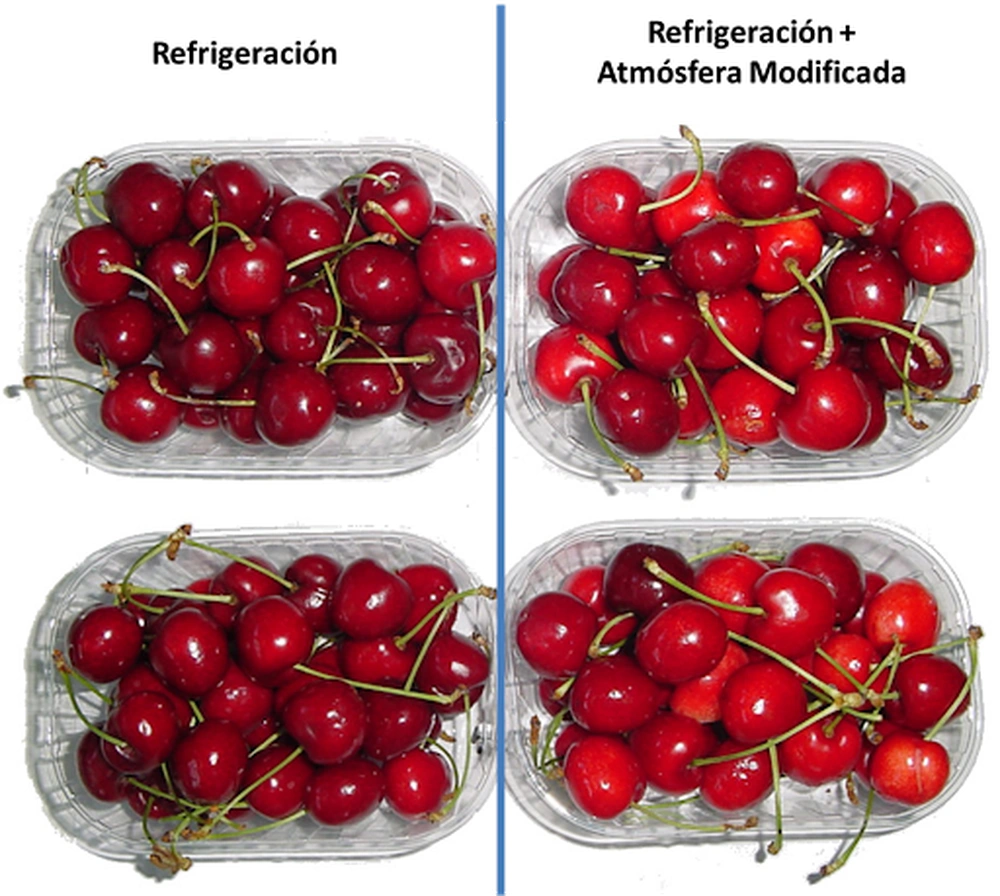
Effects of CO₂ and O₂
Although CO₂ reduces microbial activity, concentrations above 15% can be harmful, causing internal browning, loss of sensory quality, increased incidence of pitting, reduced firmness, and the development of off-flavors in some varieties.
On the other hand, O₂ concentrations below 2% can induce anaerobic fermentation, generating undesirable aromas and flavors and accelerating fruit deterioration.
MAP and CA: Preservation Technologies
There are two key technologies for post-harvest preservation: Modified Atmosphere Packaging (MAP) and Controlled Atmosphere (CA). Both help extend cherry shelf life, but their application and effectiveness vary depending on transport duration and storage conditions.
In this post, we will explore the optimal parameters for cherry preservation, the advantages and disadvantages of MAP and CA, and how to choose the best strategy depending on the export market.
Comparison Between MAP and CA
Both Modified Atmosphere Packaging (MAP) and Controlled Atmosphere (CA) are strategies used for cherry exportation, but they have substantial differences in operation and effectiveness.
Modified Atmosphere Packaging (MAP)
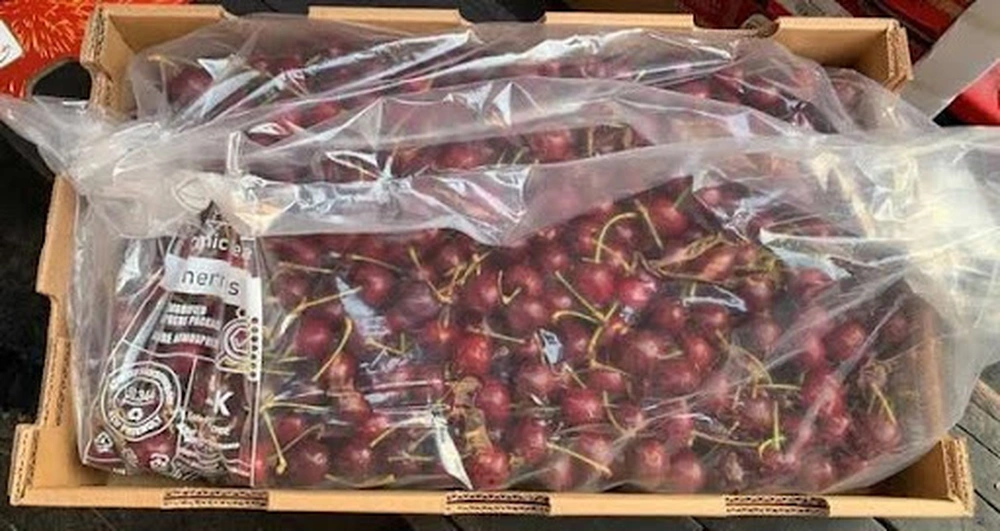
MAP technology relies on the use of containers equipped with special films that modify the internal gas concentration.
Passive MAP
The atmosphere modification occurs naturally due to the fruit's respiration and the film's permeability. It is essential to select a film with appropriate permeability to avoid excessive CO₂ levels or low O₂ levels.
It is used for cherries destined for medium-distance markets (15-30 days).
Active MAP
Specific gases (O₂ and CO₂) are injected into the container to quickly reach the desired atmosphere. This allows for more precise control compared to passive MAP but requires additional equipment.
It is used in exports where it is necessary to immediately reduce the fruit's respiratory activity.
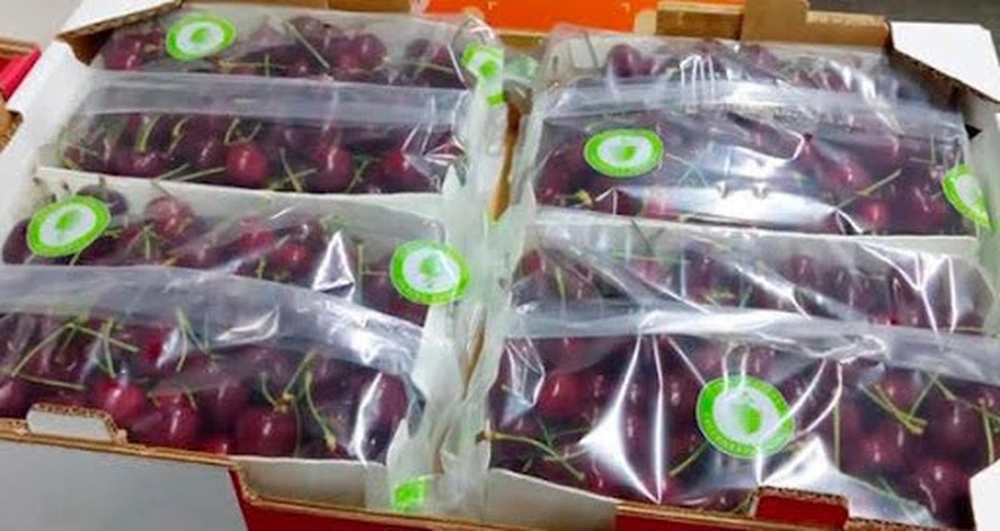
Trends in MAP Films
Currently, there is a growing trend toward using biofilms in modified atmosphere packaging, reducing the environmental impact of packaging without compromising cherry preservation effectiveness.
Types of Films
- Micro-perforated films: designed to allow controlled gas exchange, preventing excessive CO₂ accumulation.
- Gas-selective permeability films: precisely regulate the internal package atmosphere, maintaining optimal conditions based on the fruit's respiratory activity.
Controlled Atmosphere (CA)
It enables active and continuous control of O₂ and CO₂ levels within the storage environment. The desired atmosphere is maintained during transport and storage by adjusting the gases as needed.
CA Applications
- Storage chambers: storage facilities where gas composition is controlled to extend fruit shelf life before distribution.
- Long-distance container transport: maintains an optimal atmosphere within refrigerated containers during sea or land transport.
Conclusion and Recommendations
MAP is the best solution for short- and medium-distance exports (15-30 days), as it offers low cost and easy implementation.
CA is the best alternative for long-distance exports (30-50 days), as it ensures a more stable atmosphere, reducing rot incidence and loss of firmness.
Precise control of O₂ and CO₂ concentrations is essential to avoid issues such as internal browning, pitting, and loss of sensory quality.
Call to Action
Have you used MAP or CA for cherry preservation? What types of films, bags, or technologies have worked best for you?
If you work in the agricultural packaging sector, develop films or bags for modified atmospheres, or are part of a company producing refrigerated containers or controlled atmosphere chambers, we would love to hear more about your innovations!
Contact us to share your experiences and solutions for post-harvest cherry preservation. We hope this information helps you optimize your cherry preservation for international export!
Jesus Alonso Sanchez
El mundo della cereza, Spain
Image source: El mundo della cereza, Mercado Central, UD
Cherry Times - All rights reserved