MULTIFUNCTIONAL COVERS AND THEIR EFFECTS ON ORCHARD MICROCLIMATE AND CHERRY TREE PHYSIOLOGICAL PERFORMANCE: Results of the “CHOICE” project presented during an international webinar on February 17 and a final workshop on February 20, 2026
For those involved in cherry production, the topic of multifunctional nets and their correct application in different growing contexts is of fundamental importance.
Currently, a wide range of covering products is available on the market, differing in shading level, type of use and/or water permeability.
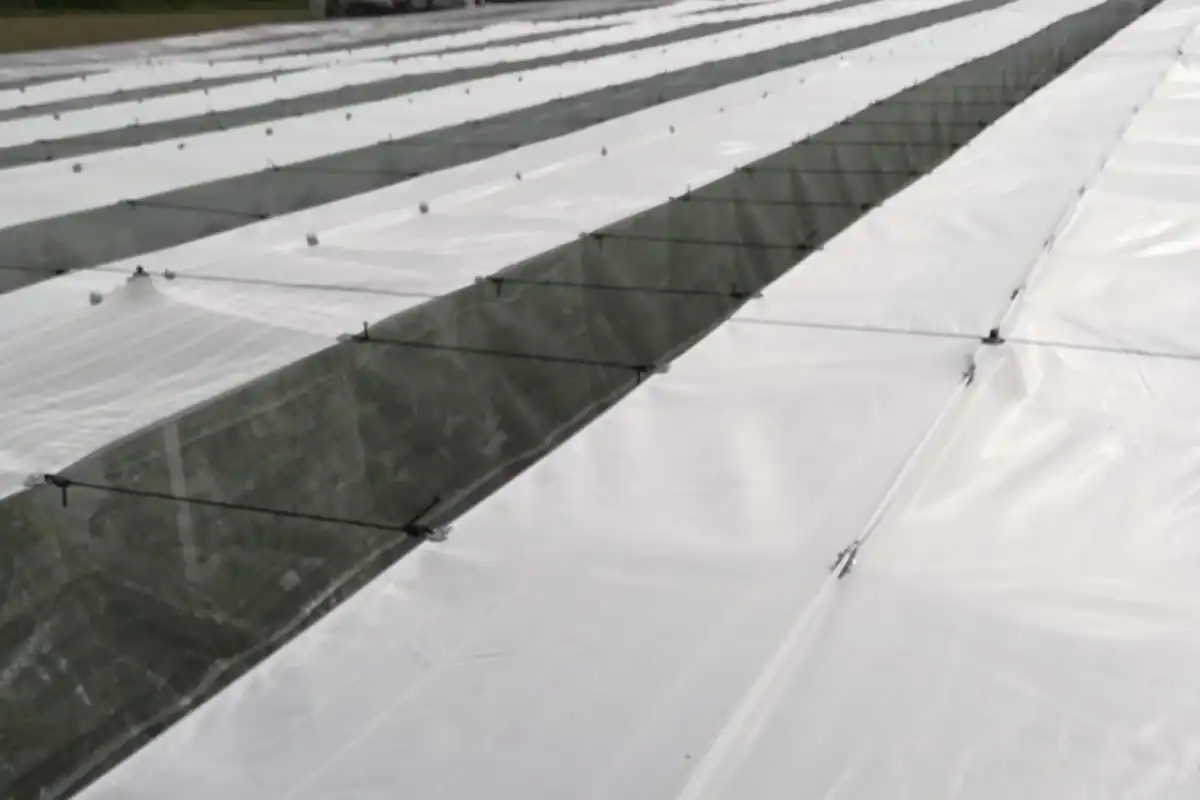
However, beyond their primary function as rain, hail and/or insect protection systems, very limited information is available on how these covers modify the orchard microclimate, and even less on the physiological and productive responses of the crop according to orchard vigor and the environmental conditions in which the cherry orchard is located.
The CHOICE project: objectives and coordination
Unfortunately, despite the fact that these coverings represent one of the most expensive investments in the establishment of a new orchard, growers and consultants are often left on their own when choosing the most suitable solutions, without concrete guidelines on the criteria that should guide their decisions based on climate and orchard characteristics.
The CHOICE project, “Optimizing Cherry Physiological Performance through the Correct CHOICE of Multifunctional Covers”, funded by the Italian Ministry of University and Research (MUR) under the PNRR programme (2024–2026), aimed to provide cherry growers with a rational approach to optimizing the microenvironment and physiological performance of their orchards through the correct selection of multifunctional nets, based on orchard vigor and specific environmental conditions.
The project, coordinated by Prof. Brunella Morandi from the University of Bologna, in collaboration with the University of Modena and Reggio Emilia (Prof. Francesco Reyes) and the University of Naples Federico II with Prof. Boris Basile, brought together multidisciplinary expertise to address these topics.
Presentation of results and events
The results of the CHOICE project will be presented during two separate events entitled “MULTIFUNCTIONAL COVERS AND THEIR EFFECTS ON ORCHARD MICROCLIMATE AND CHERRY TREE PHYSIOLOGICAL PERFORMANCE: RESULTS OF THE CHOICE PROJECT”, which will take place on February 17 and February 20, 2026. The aim is not only to share the main findings, but also to create an opportunity for discussion with key stakeholders interested in these topics.
In particular, on February 17 at 2:00 PM CET, an online webinar in English will be held, targeting an international audience (see flyer with programme, registration and access links). On February 20, from 9:15 AM to 12:00 PM, the event will be dedicated to Italian sector professionals and will be held in hybrid format at the Department of Agricultural and Food Sciences of the University of Bologna (see flyer with programme, registration and access links).
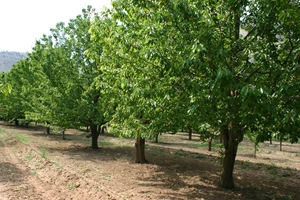
Image source: Stefano Lugli
Cherry Times – All rights reserved