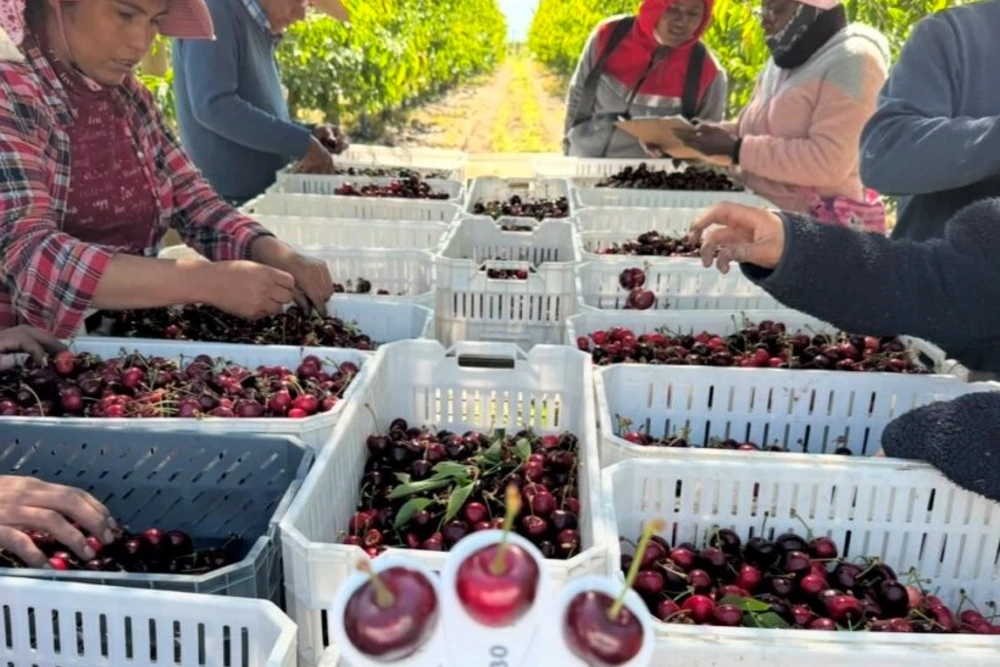
Peruvian agricultural exports have paved the way for crops that once seemed unlikely. Blueberries are the best example: from an uncertain venture, they have become one of Peru’s leading flagship products on international markets. Today, a new fruit is beginning to capture the sector’s attention: cherries.
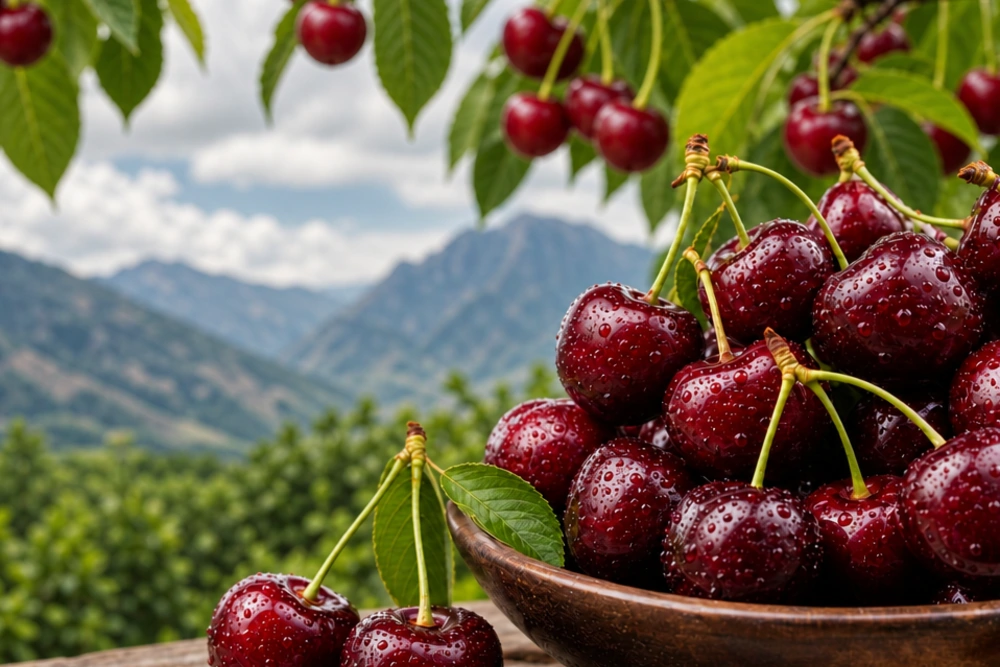
Known on international markets as “red gold”, this fruit represents a high-value opportunity for the country, especially thanks to demand in Asia and its commercial appeal during periods of limited global supply.
PROMPERÚ is approaching this process with a long-term perspective. Peruvian cherries are still in the early stages, marked by agronomic trials, genetic adaptation, field research and commercial validation. However, their potential deserves attention for what they could mean for the diversification of Peru’s agricultural export basket.
Asia and the premium route
The international cherry market has a particularly attractive destination: China. In this country, the fruit is associated with prosperity, good fortune and luxury consumption, especially during Lunar New Year. According to reference data, in 2025 the Asian giant imported cherries worth around 3 billion dollars (approximately 2.8 billion euros), confirming the importance of a demanding market with strong purchasing power.
For Peru, the opportunity does not lie in immediately competing with major suppliers such as Chile, which dominates the market with far higher volumes. The most promising path is to build a selective offer aimed at consumers who value size, texture, flavour and arrival condition, as well as differentiation based on origin.
The advantage of arriving early
One of the most interesting factors for the future of Peruvian cherries is the early marketing window. The agronomic objective is to obtain harvests between September and early October, before the arrival of the large volumes from the Chilean season. During this period, international supply is limited and prices can reach levels well above those of the regular season.
This window of opportunity represents a chance for promotion. Peruvian cherries could reach the Asian market at a time of scarcity, when importers, distributors and consumers are looking for quality fruit and are willing to pay more for a differentiated offer.
This opportunity, however, requires precision, since cherries are an extremely delicate and perishable fruit. For this reason, the first shipments must be managed with strategic volumes and responsible marketing communication. In the high-end produce sector, reputation is built from the very first shipment.
Chancay and the new logistics route to Asia
The opening of the Chancay megaport introduces a significant variable for Peruvian agricultural exports, especially for fresh products destined for Asia. In the case of cherries, the reduction in maritime transit times could make a major commercial difference.
According to the information shared, transit times to Asia could be reduced from the usual 33-45 days to around 21-30 days. For a fruit such as cherries, every day counts: shorter travel times can mean better arrival condition, less deterioration and greater opportunities to compete in high-value market segments.
The port of Chancay represents a major opportunity to increase exports of Peruvian cherries to key international markets such as China.
Agricultural innovation for a new production frontier
The development of cherry cultivation in Peru is also a story of innovation. Traditionally, cherry trees require a certain number of chilling hours in order to flower, a condition that has led to growing interest in inter-Andean valleys and high-altitude Andean areas, opening up new possibilities in Andean zones with favourable conditions.
Regions such as Arequipa, Junín, Ayacucho, Cajamarca, Cusco and Áncash are emerging on the map of production exploration.
The Peruvian highlands offer interesting conditions thanks to their cool nights and microclimates. In areas such as La Joya, Arequipa, research has been carried out on varieties such as Santina, Lapins and Skeena, with the aim of identifying plant material with better adaptability. On the coast, meanwhile, new genetics with low chilling requirements are being tested, together with management technologies that allow plants to cope with climatic conditions different from those of countries traditionally associated with cherry production.
The process includes large-scale greenhouses, shade nets, misting systems, sun protection and specialised rootstocks. This combination of science, investment and field learning reflects a characteristic that already distinguishes Peru’s agribusiness: the ability to adapt demanding crops to different territories.
A new story to build
Peruvian cherries, therefore, have several elements that make them a promising opportunity. However, their success will depend on how seriously this new industry is developed. The country must make progress in research, investment, specialised logistics and commercial promotion, in line with its actual supply capacity.
Peru has already demonstrated its ability to transform agricultural challenges into export success stories. Cherries could represent the next chapter.
Edited by the Coordination Directorate of PROMPERÚ’s regional offices
Image source: PROMPERÚ
Cherry Times - All rights reserved