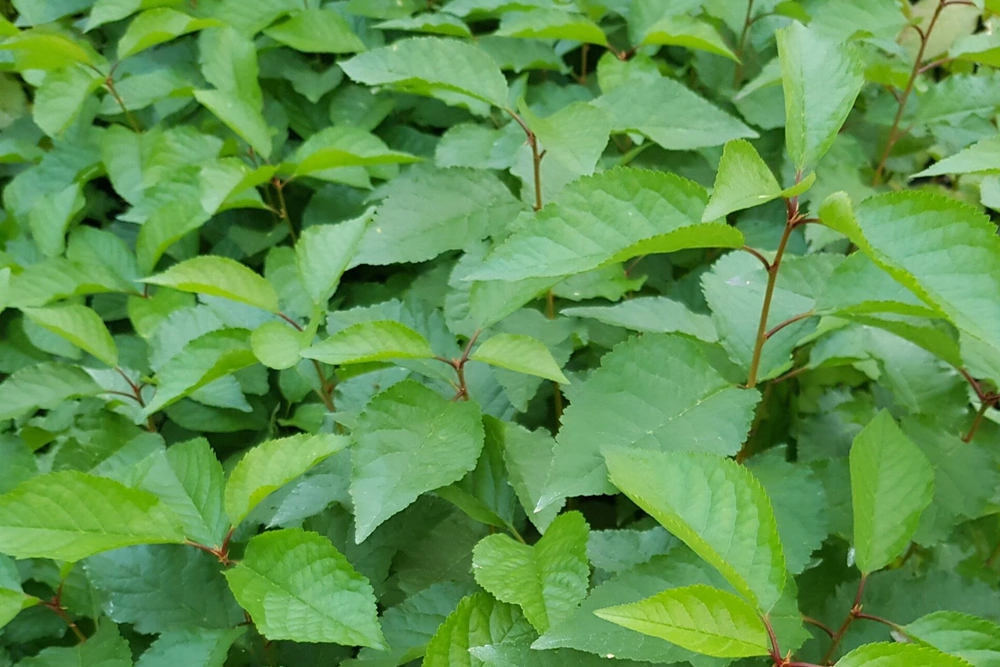
The productivity and sustainability of intensive orchard systems are often constrained by intrinsic characteristics of the rootstocks employed. In particular, the rootstock Gisela 6, widely used to control tree vigor and promote early fruit production, is characterized by a relatively shallow and poorly developed root system. Consequently, improving root development has become a key objective for increasing production efficiency and ensuring sustainable sweet cherry cultivation.
In recent years, Plant Growth-Promoting Rhizobacteria (PGPR) have attracted considerable attention as a sustainable alternative to conventional chemical fertilizers. These beneficial microorganisms colonize the rhizosphere and positively influence plant growth through multiple mechanisms, including enhanced nutrient availability in the soil, increased soil enzymatic activity, phytohormone production, and regulation of physiological processes involved in root development.
To investigate these effects, the study evaluated two bacterial strains with plant growth-promoting properties: Pantoea ananatis D1-28 (strain D) and Bacillus aryabhattai LAD (strain F). The microorganisms were applied both individually and in combination in order to assess potential synergistic effects on the growth of the sweet cherry rootstock Gisela 6.
Inside the rhizosphere
The research examined a wide range of agronomic, physiological, biochemical, and molecular parameters, including rhizosphere pH, soil nutrient availability, soil enzyme activities, leaf photosynthetic performance, nutrient accumulation in plant tissues, root development, root indole-3-acetic acid (IAA) content, and the expression of genes involved in auxin transport.
The results demonstrated that all PGPR treatments exerted beneficial effects on both aboveground growth and root development. Bacterial inoculation significantly improved the biological and chemical fertility of the rhizosphere by increasing nutrient availability and enhancing the activity of soil enzymes involved in nutrient transformation and mineralization processes.
At the same time, improvements were observed in leaf photosynthetic performance and nutrient accumulation within plant tissues, indicating an overall enhancement of plant physiological status. Comparative analysis of the two bacterial strains revealed distinct functional roles. Strain D (Pantoea ananatis D1-28) was particularly effective in directly stimulating plant growth, resulting in greater improvements in vegetative parameters and root development. In contrast, strain F (Bacillus aryabhattai LAD) showed a stronger ability to improve rhizosphere conditions by enhancing nutrient availability and biological activity within the soil.
Bacterial synergy at work
These findings suggest that the two microorganisms promote plant growth through complementary mechanisms. The most remarkable outcome of the study was observed in the co-inoculation treatment (MIX), which combined both bacterial strains. This strategy produced the most comprehensive effects and generally outperformed the individual inoculations. Co-inoculation significantly improved the rhizosphere environment, optimized the root-to-shoot biomass ratio, and promoted greater nutrient accumulation in the root system.
Furthermore, increases in root metabolic activity and substantial improvements in root architecture were recorded, resulting in enhanced capacity for nutrient and water acquisition from the soil. From both physiological and molecular perspectives, the MIX treatment was associated with increased root IAA content and positive regulation of genes involved in auxin transport. Because these genes govern auxin distribution within plant tissues and directly influence root initiation and elongation, the findings indicate that the enhanced root growth observed in treated plants was closely linked to PGPR-induced modulation of auxin transport and signaling pathways.
Overall, the study demonstrates that inoculation with Pantoea ananatis D1-28 and Bacillus aryabhattai LAD, particularly when applied in combination, represents a promising strategy for improving rhizosphere soil properties, stimulating vegetative growth, and enhancing root system development in sweet cherry. These results provide valuable support for the development of microbial inoculants aimed at increasing the adaptability and productivity of shallow-rooted fruit tree species.
Source: Xinyu Zhao, Zijian Ding, Bingxue Li, Guojie Chen, Fangdong Li, Lijie Li, Sijun Qin, Mixed PGPR inoculation optimizes the rhizosphere soil environment and improves root growth of the cherry rootstock Gisela 6, Scientia Horticulturae, Volume 359, 2026, 114717, ISSN 0304-4238, https://doi.org/10.1016/j.scienta.2026.114717
Image source: Stefano Lugli
Melissa Venturi
Ph.D. in Agricultural, Environmental, and Food Sciences and Technologies – Fruit Tree Physiology and Cultivation - Bologna, Italy
Cherry Times - All rights reserved