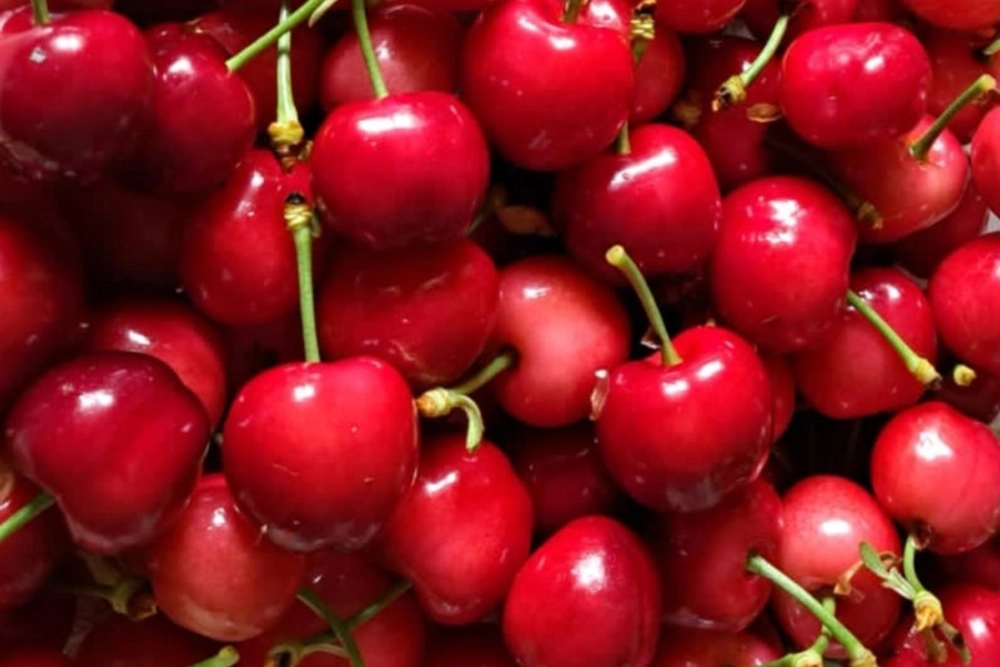
The season of the Ferrovia cherry from Apulia, with the south-east Bari area once again at the heart of production, closed with a two-sided outcome: high quality and above-average yields on the one hand, and competitive pressure on foreign markets on the other.
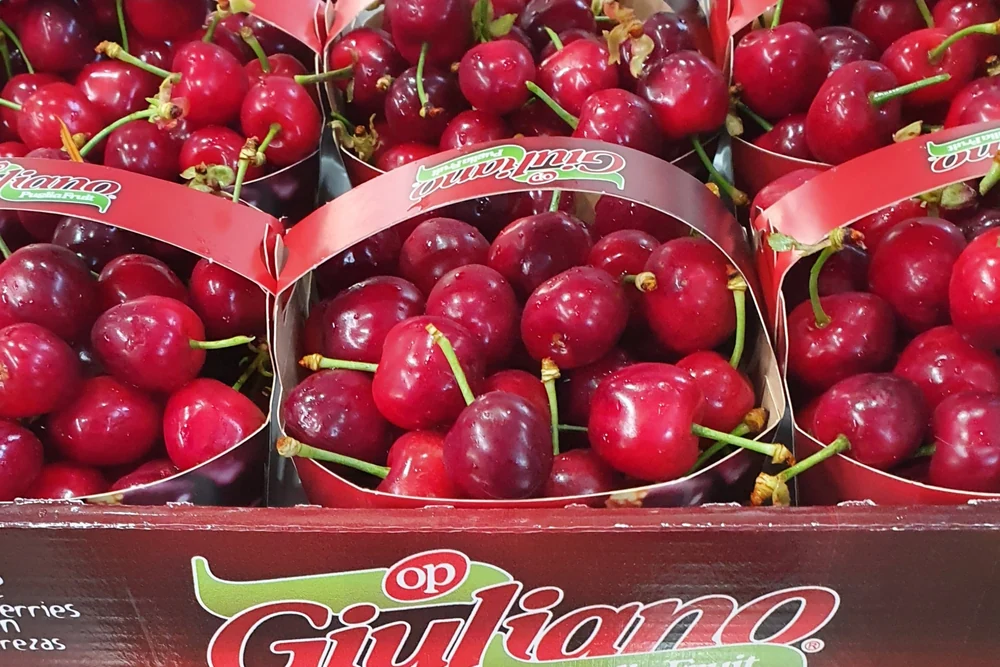
High quality, exports slowed by competition
Weather conditions supported a high-quality production, with fruit appreciated for its organoleptic characteristics and field performance. However, from the second half of June, the significant presence of produce from Greece and Turkey substantially reduced export opportunities.
The balance of the season was mainly supported by the Italian market. According to Nicola Giuliano, from the producer organization Giuliano Puglia Fruit, domestic consumption absorbed 90% of production, confirming itself as the main strength of Italian cherry growing.
Domestic demand, supported by consumer trust in the local product, made it possible to maintain an overall positive average price, despite abundant supply and concentrated volumes.
Staccato, the variety that extends the calendar
In this scenario, late varieties are taking on an increasingly strategic role. Among them, Staccato is standing out for its ability to extend the commercial window of the Apulian cherry.
Since the final days of June, Giuliano Puglia Fruit has been harvesting this variety, which is delivering encouraging results both in terms of yield per hectare and commercial performance. With harvesting coming to an end in many Italian production areas, prices have shown signs of recovery, particularly on the domestic market, creating more favorable conditions for enhancing the value of a fruit that is still able to express high quality standards.
Hilly areas can extend the season beyond mid-July
Staccato also opens up a long-term agronomic and commercial perspective: extending the Apulian cherry season beyond mid-July.
The trees currently being harvested are located in lowland areas, where ripening tends to occur earlier. The same variety, grown in inland and hilly areas, could instead ripen later, making it possible to broaden the harvest calendar and marketing period for Italian produce.
This is an important lever, especially in the presence of national demand that remains lively when fruit quality stays at the highest levels.
The role of Italian distribution
In his assessment of the season, Giuliano also highlights the contribution of Italian large-scale retail, particularly the main distributors which, through branded supply chains, guarantee visibility and positioning for local products.
For the Apulian cherry, the future therefore depends on a twofold challenge: defending the value of Ferrovia on traditional markets and investing in late varieties to extend the season, intercept new demand and maintain profitability in an increasingly competitive international context.
Source: freshplaza.it
Image source: Stefano Lugli
Cherry Times - All rights reserved