With the growing interest in healthier eating habits, the glycemic index – once confined to medical discussions – has become a central factor in consumer choices. Today, the “low GI” label increasingly appears on packaged food products, but for fresh fruit, and cherries in particular, specific analyses are still limited.
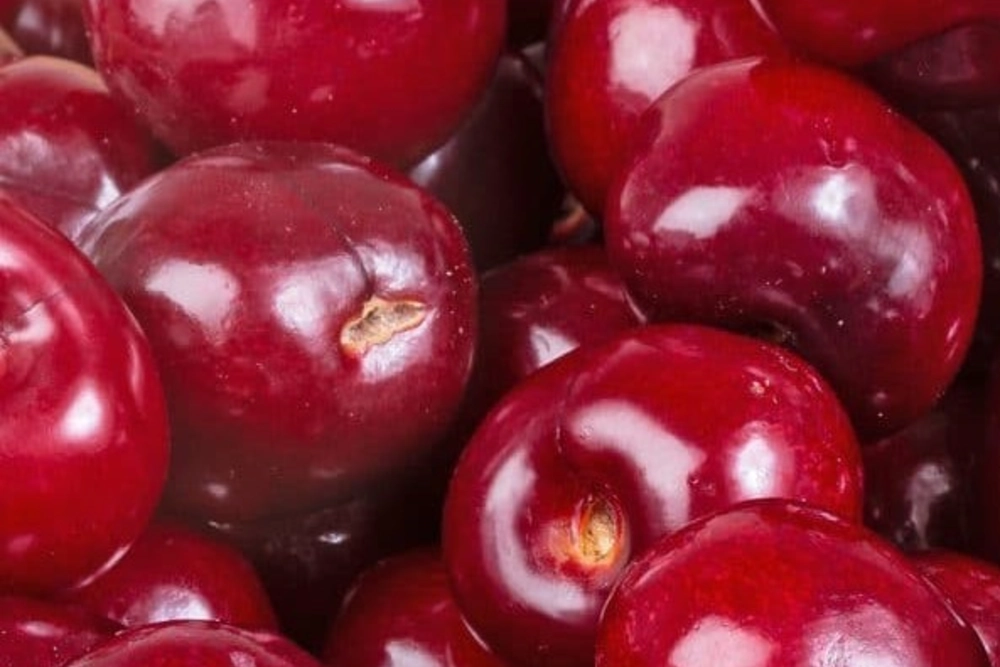
A recent development is now helping to partially fill this gap: Santina cherries, one of the most widely grown Chilean varieties worldwide, have been officially classified as a low glycemic index food.

What is GI and why is it becoming a key parameter?
The glycemic index (GI) measures the impact of a food on blood sugar levels after consumption. A low value indicates a slower, more gradual release of glucose into the bloodstream, reducing glycemic spikes. This is particularly important for people living with diabetes or prediabetes, but also for those who want to maintain stable energy levels and prevent hunger crashes.
The glycemic index scale ranges from 0 to 100, with pure glucose as the reference (GI = 100). A food is considered “low GI” if its value is 55 or lower, “medium GI” if it falls between 56 and 70, and “high GI” if it exceeds 70.
Sweet cherries, but with a reduced glycemic impact
Despite their sweet taste, Santina cherries have a GI value of 39, well below the 55 threshold. The test was carried out by a specialized Chinese institution, using recognized protocols that require fruit consumption by at least 12 volunteer subjects, followed by repeated blood glucose measurements to compare the effect with that of pure glucose.
This type of testing is complex and costly, but it is increasingly being adopted by companies and industry associations to communicate the real benefits of fresh fruit more effectively. Common perception, in fact, often associates sweetness with a high glycemic impact.
In reality, many fruits – thanks to the presence of fiber, water, and fructose – slow sugar absorption, with positive effects on postprandial glycemia.
Future outlook: Lapins and Regina also under review
Analyses will not stop with the Santina variety alone. During the 2025/26 season, Lapins and Regina varieties will also be tested. If the results confirm values below 55, the Chilean cherry sector as a whole will be able to claim that more than 80% of its exports (Santina, Lapins, and Regina together account for about 83%) fall within the low-GI category.
This is information that could prove strategic for nutritional marketing in international markets.
Winter cherries: flavor, nutrition, and now GI
During the winter period, when cold weather encourages the consumption of high-calorie foods rich in sugars or fats, fresh fruit represents a valid alternative: it is convenient, flavorful, and provides essential nutrients such as fiber, potassium, magnesium, and anthocyanins.
Cherries, already appreciated for their appealing appearance and intense flavor, can now also rely on a new ally in health positioning: the glycemic index.
In an increasingly health-conscious market focused on nutritional transparency, low-GI cherries become key players in a narrative that combines taste and well-being, helping to strengthen the reputation of this fruit as a smart choice for every season.
Source: www.producereport.com
Image source: Decoexpro
Cherry Times – All rights reserved