The South African cherry supply chain is picking up speed and aims to strengthen its presence in international markets. Although its global role remains marginal for now, the country is emerging as a promising player in the Southern Hemisphere.
The goal? To position itself as a strategic supplier during weeks of lower availability, leveraging an earlier harvest window compared to other producing countries.
Steady growth, still marginal
According to Hortgro, South Africa’s horticultural industry body, in 2024 the country accounted for just 0.1% of global cherry exports. By comparison, Chile dominated the market with a 49% share.
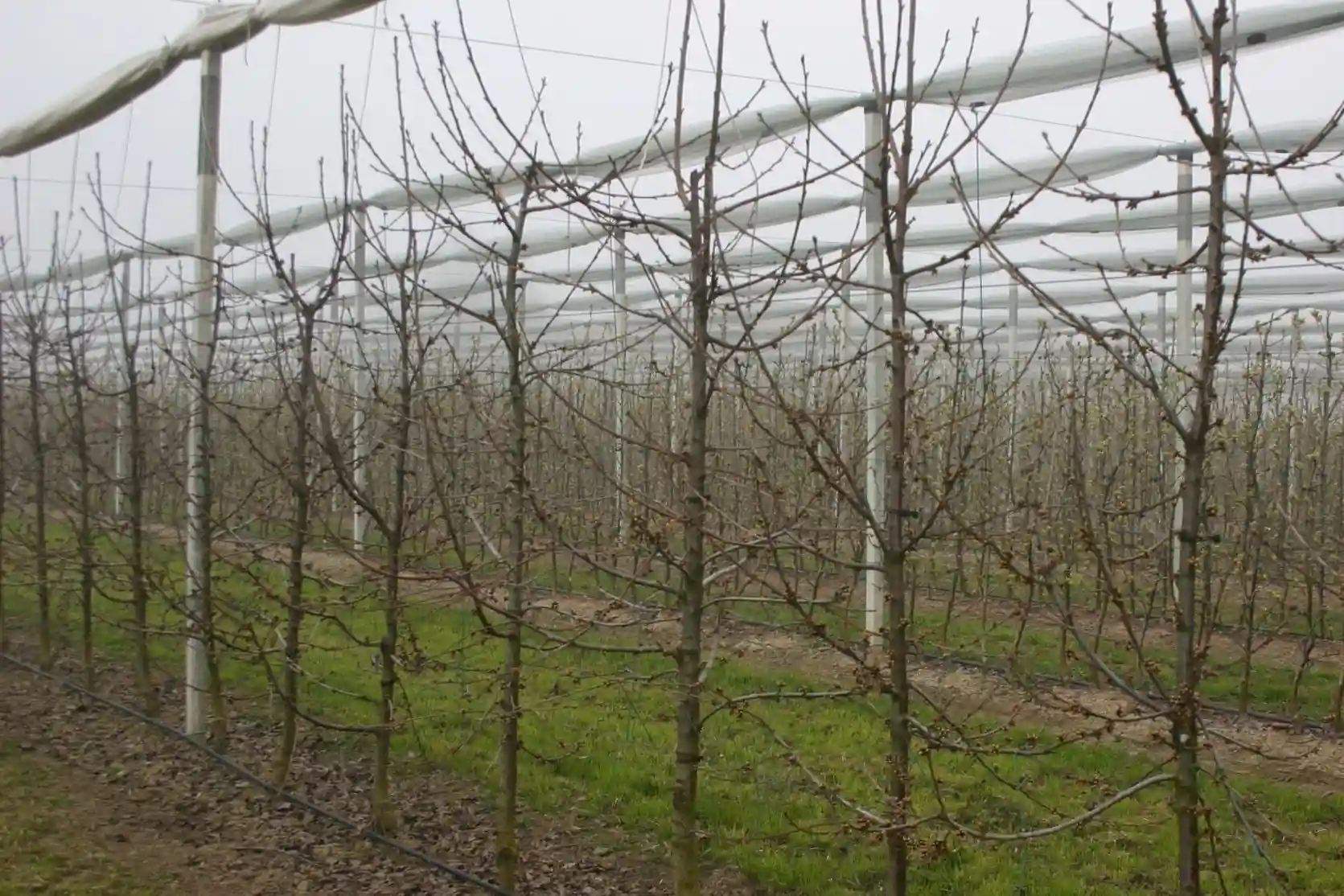
However, domestic figures point to significant growth: between 2012 and 2024, the cultivated area expanded from 185 to 819 hectares. This expansion reflects growing confidence in the commercial potential of South African cherries.
Key production areas and varietal innovation
The Western Cape remains the core production region, accounting for 61% of national plantings. South Africa currently grows around 80 different varieties, with Royal Hazel, Royal Tioga and Lapins standing out, together representing 34% of the total.
Approximately 40% of planted cherry trees have not yet reached full production. This suggests a potential increase in supply in the coming years as new orchards progressively come into production.
Growing exports and key destination markets
South Africa is placing increasing focus on exports. A survey conducted in 2025 shows that 58% of production is destined for export, while only 28% is sold on the domestic market. Less than 1% is processed, with the remainder classified as non-marketable fruit.
In 2024/25, the United Kingdom absorbed 60% of South African shipments, followed by the European Union (18%) and the Middle East (12%). Exports begin around week 41, approximately two weeks earlier than Chile, and peak between weeks 46 and 52.
Technical trials for access to China
The key long-term strategic objective is entry into the Chinese market. The industry is currently conducting a second round of cold treatment trials, a mandatory requirement to overcome phytosanitary barriers imposed by China. Initial results have been positive.
Remote inspections, carried out via video, are expected to begin by the end of 2025. If the regulatory process proceeds smoothly, South African cherries could reach China as early as the 2026/27 season.
The threat of Drosophila suzukii
Challenges remain. Among them is the emergence of Drosophila suzukii (SWD), a fruit fly that has already caused significant damage in blueberries and could also pose a threat to cherries.
To address this risk, authorities and growers have intensified monitoring efforts and obtained emergency approval for specific crop protection products, as part of integrated pest management strategies.
Positive harvest and favourable weather
The current season is closing with encouraging signs. In northern regions such as Mpumalanga, harvesting has already concluded with yields exceeding expectations. In the Free State and Western Cape regions, harvesting is ongoing and weather conditions have proven ideal.
Growers estimate a total production higher than in 2024/25.
A look at the roles of Chile and South Africa
For now, South Africa does not pose a threat to Chile’s global leadership or its dominance of the Chinese market. However, the earlier season and potential access to China could turn the African country into a strategic supplier precisely during periods of lower availability.
An opportunity to monitor closely in the coming years.
Source: mundoagro.io
Image source: SL Fruit Service
Cherry Times – All rights reserved