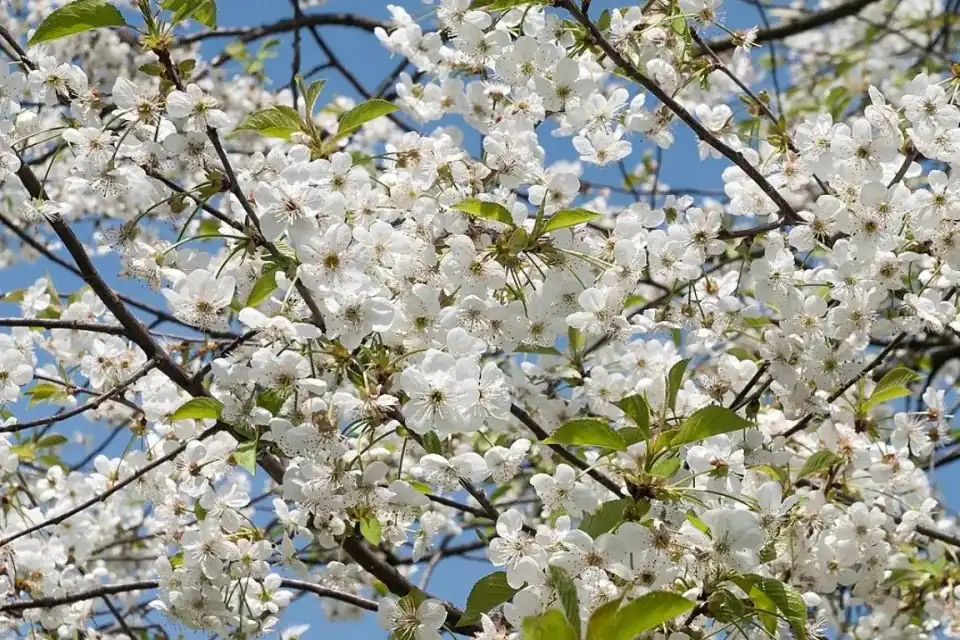
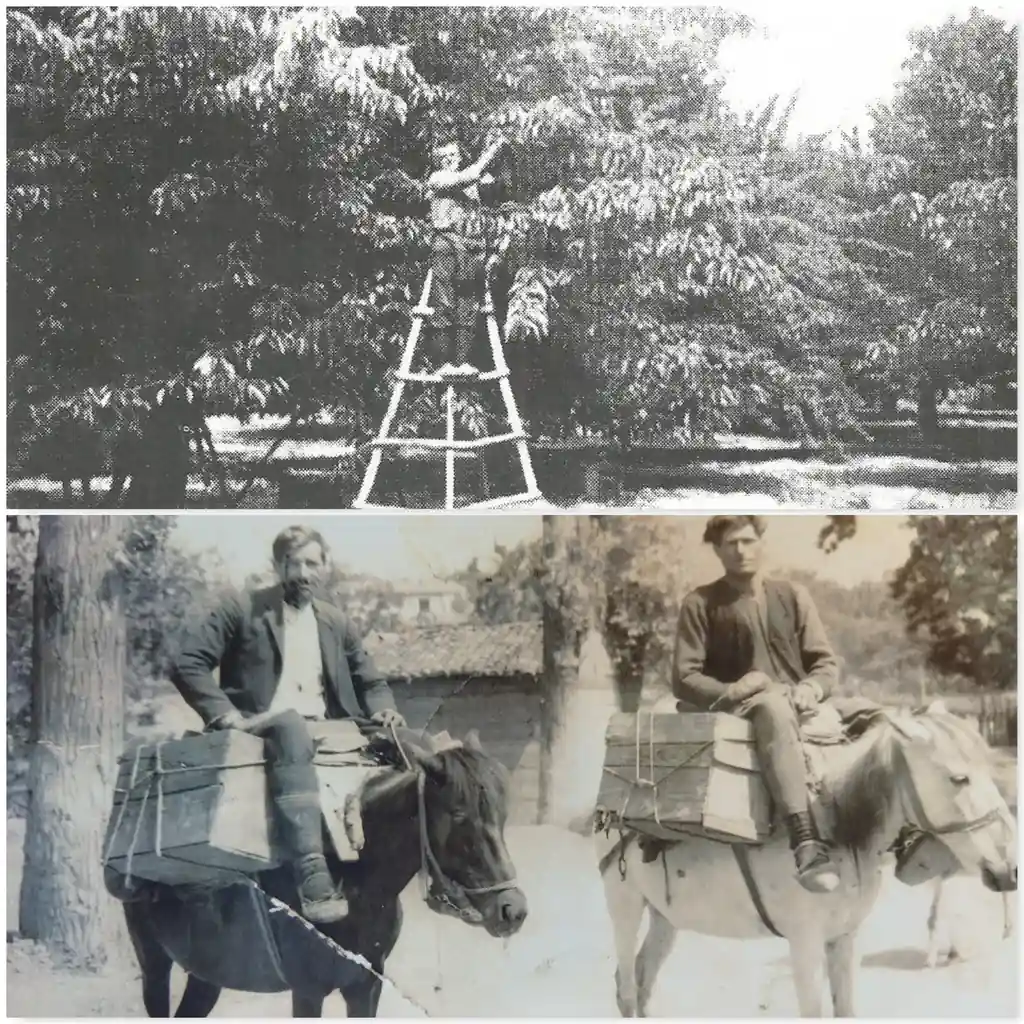
 Figure 1. Sweet cherry growers in the village of Margarita, Edessa, transporting cherries with traditional equipment during the early 20th century.
Konstantinos Kazantzis1, Symeon Marnasidis2, Konstantinos Kafetzis2
1 Department of Deciduous Fruit Growing, Institute of Plant Breeding & Genetic Resources, Hellenic Agricultural Organization DIMITRA, RR Station 38, 59200 Naoussa, Greece
2 Directorate of Rural Economy & Veterinary, Regional Government of Pella, 58200, Edessa, Greece
Introduction
Sweet cherries have been present in Greece since the ancient times, a fact that supports the cultivation of the species throughout the entire territory, including the islands (Kazantzis and Marnasidis, 2013). Historical references regarding cherry cultivation in Greece mostly concern isolated trees or small, non-typical orchards. The research question is: when did systematic cultivation begin in Greece?
Traditionally, the years soon after the First World War (1914-1918), with a surge in plantings of mixed orchards with various fruit trees in 1927 in the areas of Naoussa, Rizari-Edessa (Koukourgiannis, 2008). However, more accurate data locate the beginning of sweet cherry cultivation in the region of Edessa, dating back to the centuries when Greece was under Ottoman rule!
Cherry Cultivation in Edessa Today
With an area of 11,000 hectares, representing over 67% of the total cherry-cultivated land in Greece, cherry orchards occupy a significant portion of the agricultural land in the Regional Government of Pella (Edessa), North Greece (Data from DAOK Pella, 2023).
Total yield typically ranges between 50,000 and 60,000 tons, though they can reach up to 80,000 tons depending on weather conditions. Approximately 30-40% of the production is exported, primarily to European Union countries and secondarily to third countries. A significant quantity is directed to the domestic market for fresh consumption while stemless (pitted) fruits are directed to the freeze industry. Small quantities are processed into sweets, jams, liqueurs, and juices.
For centuries, the sweet cherries from Edessa, have constituted a unique gastronomic delight. The famous "Tragana Edessis" local variety, serves as a catalyst for the region’s recognition and competitiveness year-round. This prestige creates opportunities for organizing parallel promotional events, directly resulting in increased tourism.
Notable Historical Data
Edessa was conquered by the Ottomans between 1385 and 1389 (Kafadar, 2008; Voyatzis, 2007; Zachariadou, 1991). Many tax registers from the 16th and 17th centuries of the Edessa province have been preserved, which were collected and studied by Professor Phokion Kotzageorgis of the Department of History and Archaeology at Aristotle University of Thessaloniki.
These registers were compiled by the Ottoman central authority to record taxes arising from provincial income, which were used to pay the provincial army. It is important to note that the Ottomans taxed agricultural production that was noteworthy and commercial, thus refuting the speculation that the sweet cherries were a luxury crop limited to individual trees in gardens.
Cherry Cultivation in Edessa during the First Ottoman Centuries
The oldest known Ottoman tax registers for the Edessa region date back to the 16th century, specifically the year 1530. For comparison, data from 1542 is also provided (Kotzageorgis, 2014).
Table 1. Taxation Data of Edessa region during the Ottoman Period (1530 & 1542).
| 1530 |
Tax | 1 | 2 | 3 | 4 | 5 | 6 | 7 | 8 | 9 | 10 | 11 | 12 | 13 | 14 | 15 | 16 | Total |
amount | 3,890 | 588 | 350 | 350 | 20 | 930 | 30 | 60 | 15 | 1,500 | 6,000 | 1,000 | 50 | 100 | 30 | 300 | 15,213 |
% | 25.57 | 3.87 | 2.3 | 2.3 | 0.13 | 6.11 | 0.2 | 0.39 | 0.1 | 9.86 | 39.44 | 6.57 | 0.33 | 0.66 | 0.2 | 1.97 |
|
| 1542 |
Tax | 1 | 2 | 3 | 4 | 5 | 6 | 7 | 8 | 9 | 10 | 11 | 12 | 13 | 14 | 15 | 16 | Total |
amount | 3,256 | 1,000 | 400 | 400 | 150 | 930 | 30 | 70 | 20 | 1,800 | 5,050 | 1,000 | 60 | 120 | 30 | 740 | 15,056 |
% | 21.63 | 6.64 | 2.66 | 2.66 | 1.0 | 6.18 | 0.2 | 0.46 | 0.13 | 11.96 | 33.54 | 6.64 | 0.4 | 0.8 | 0.2 | 4.91 |
|
Source: Kotzageorgis Ph., 2014. Record n. 16: Sweet Cherry Orchard tax. The amounts are in akces (the akce -Turkish: akçe- was the monetary unit of the Ottoman Empire at that time).
1: spentza (tax on Christians based on income and family status), 2: cereals, 3: Muslim vineyards, 4: clover cultivation, 5: sericulture cocoons, 6: grinding mills (31 pieces), 7: mills (2 pieces), 8: tiles, 9: beehives, 10: unripe wine, 11: market tax, 12: fines, 13: garden income, 14: donkeys, 15: Duke's mill tax, 16: cherry orchard tax
The comparative data from the Ottoman tax registers reveals a significant trend in the local economy of Edessa during the 16th century. Most notably, the sweet cherry orchard tax (Item 16) more than doubled in absolute terms, rising from 300 to 740 units between 1530 and 1542. Furthermore, the share of sweet cherry taxation relative to the total tax revenue surged from 1.97% to 4.91% within just twelve years. This rapid growth serves as strong evidence of a transition toward organized and systematic cherry cultivation in the region, far earlier than previously established by modern records.
Thoughts – Hypotheses – Conclusions
The presented data leads to the indisputable conclusion that during the 16th century in the Edessa region, there was significant sweet cherry production which was officially taxed. We assume that the cultivation at the time was some kind of orchards with sparsely planted trees, without pruning or fertilization. However, regarding the cultivated genotypes, there are two prevailing hypotheses: either large-fruited individuals from wild cherries were being utilized, or the variety "Tragana Edessis" had already appeared. The "Tragana Edessis" variety is classified as an indigenous local variety and is reported to have originated and been first cultivated at the mountains of Edessa, unknown exactly when (Kazantzis, 2013; Chatzicharissis and Kazantzis, 2014).
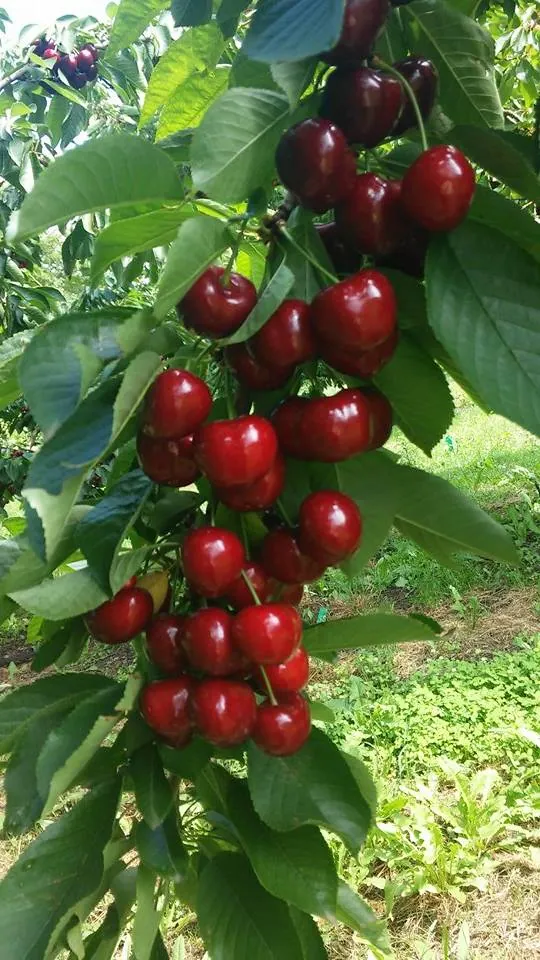 Figure 2. A branch of fruits from "Tragana Edessis" variety.
Acknowledgments
We thank Mr. Christos Bakyrtsis for his contribution to accessing bibliographic data, as well as Professor Phokion Kotzageorgis for his selfless and willing assistance.
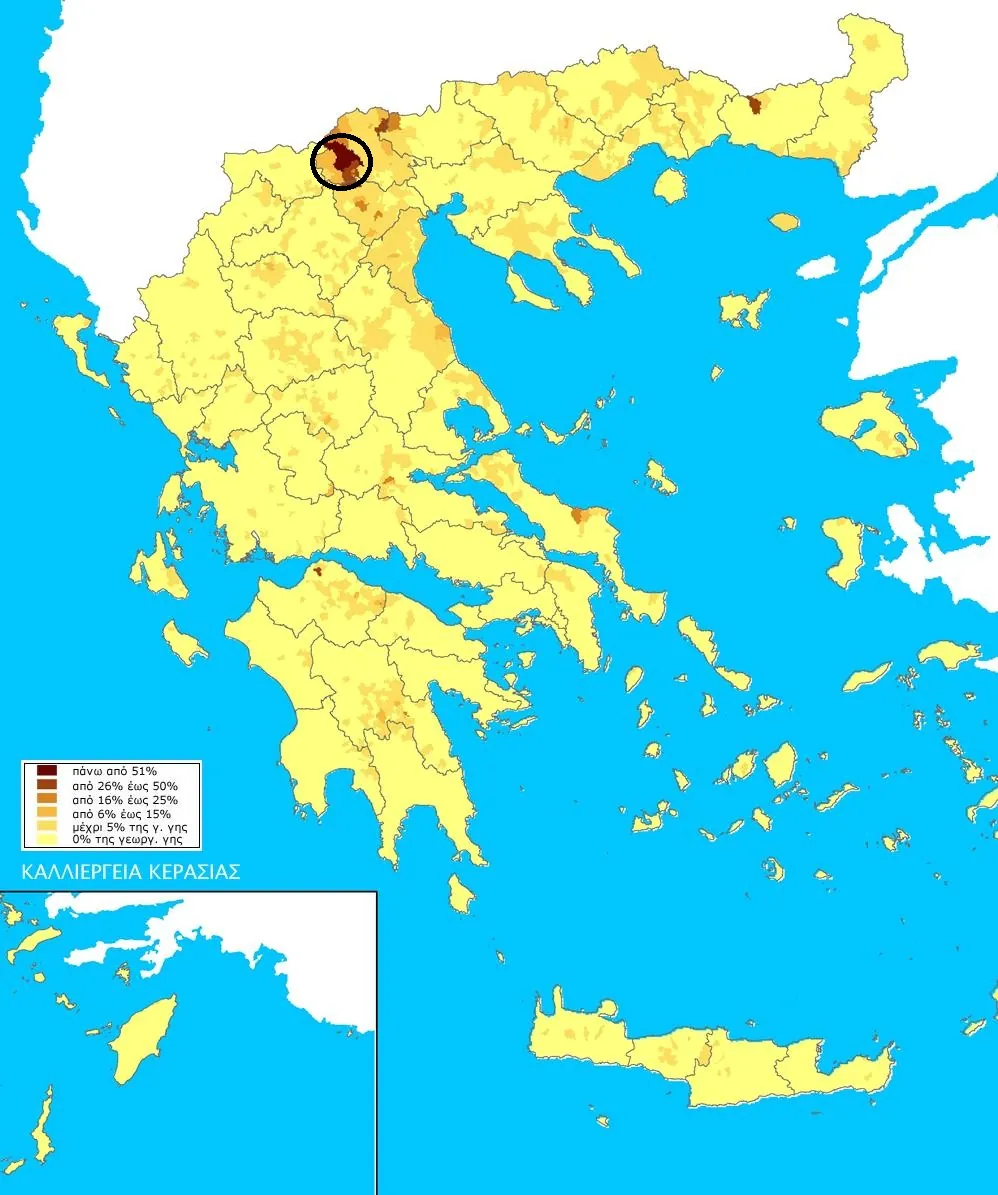 Figure 3. Scaling up of cherry cultivation in Greece (Greek Ministry of Agriculture) and the Edessa region.
Konstantinos Kazantzis, Symeon Marnasidis, Konstantinos Kafetzis
Fonte immagine apertura: Perimetros
References
- Voyatzis G. (2007). From Manzikert to Vienna. Readings of Turkish history from 1071 to 1529.
- Zachariadou E.A. (1991). History and legends of the old sultans (1300-1400).
- Kazantzis K. (2013). Monograph of sweet cherry varieties evaluated by the I.F.D., ELGO DIMITRA.
- Kazantzis K., Marnasidis S. (2013). Sweet cherry cultivation manual. ELGO DIMITRA.
- Kafadar C. (2008). Between Two Worlds: The Construction of the Ottoman State.
- Kotzageorgis Ph. P. (2014). Society and economy in Edessa during the first Ottoman centuries.
- Koukourgiannis V. (2008). Systematic pomology in Central-Western Macedonia.
- Chatzicharissis I., Kazantzis K. (2014). The sweet cherry tree and its cultivation.
Cherry Times - All rights reserved