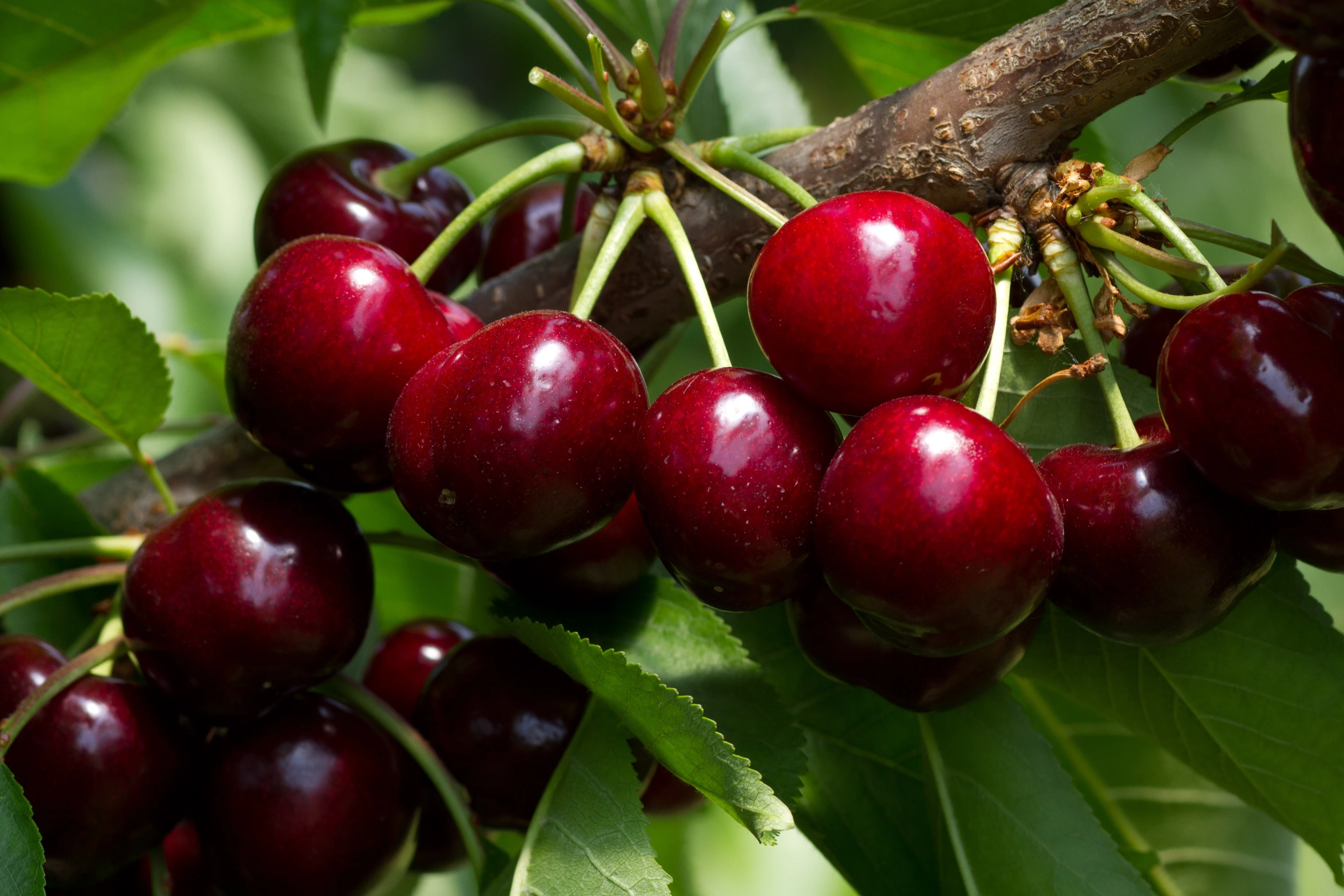
In recent years, tart cherries have captured the attention of wellness experts for their remarkable nutritional properties.
However, while juice can be overly sweet or high in sugars, dehydrated cherry powder has emerged as a practical and concentrated alternative.
Increasingly visible on food & wellness shelves, tart cherry powder raises a key question: is it really as effective as juice?
Here is an in-depth look at the differences, benefits, and optimal use of this superfood.
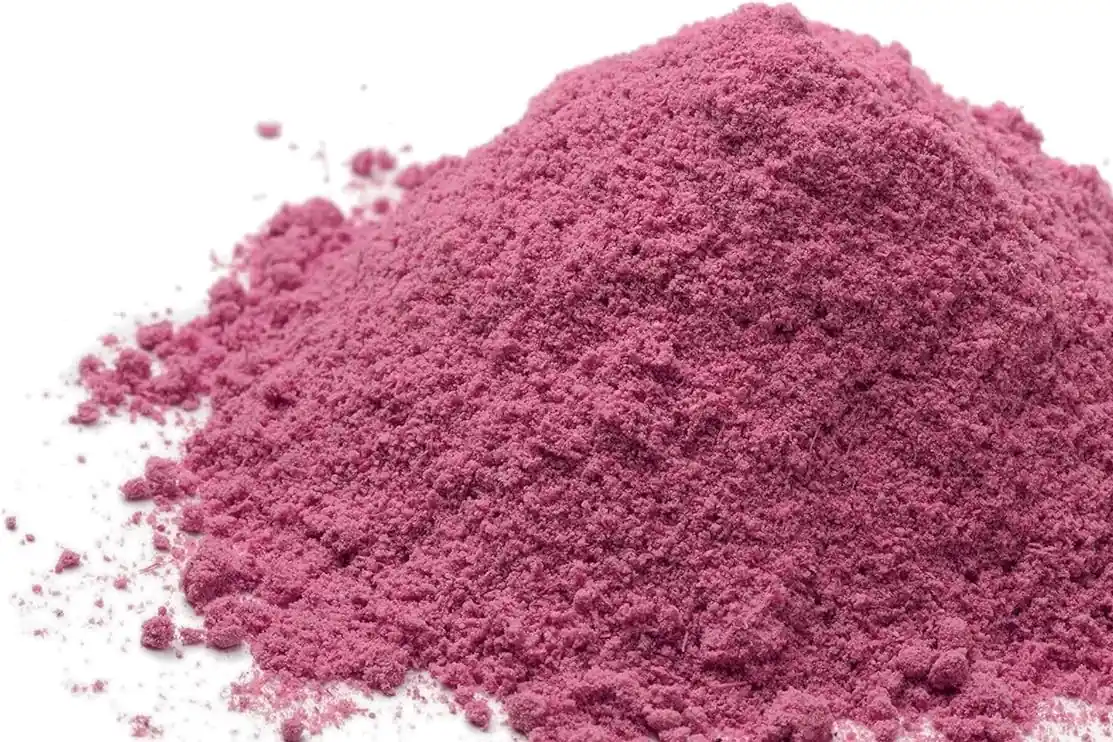
Tart cherry powder: a natural concentrate of wellness
Obtained through freeze-drying and subsequent grinding of tart cherries, the powder offers a versatile solution rich in beneficial properties.
Thanks to its high content of antioxidants, anti-inflammatory compounds, and vitamins, it is particularly valued for supporting sleep quality, relieving post-workout muscle soreness, and improving recovery times.
Studies also suggest a positive role in cardiovascular health, inflammatory response, and immune system support.
From a culinary perspective, it blends easily into smoothies, yogurt, porridge, or baked goods, adding color, flavor, and nutrients in a single step.
What is cherry powder made of?
The base is as simple as it is powerful: tart cherries, particularly the Montmorency variety, known for its high concentration of melatonin and anthocyanins.
After cold-drying, the cherries are ground into powder, preserving both flavor and nutritional properties.
This format allows for a concentrated, convenient intake with no added sugars.
Cherry powder or juice? The main differences
Cherry juice is extracted from fresh or frozen fruit and often contains natural sugars or added sweeteners, as well as preservatives.
Powder, on the other hand, is made from whole freeze-dried cherries, maintaining a more complete and stable nutritional profile.
In addition, the powdered form is easier to dose and suitable for a wider range of food applications.
Both versions offer similar benefits – from sleep support to inflammation reduction – but powder stands out for its convenience and purity.
How to use tart cherry powder effectively
To achieve tangible results, it is recommended to choose products made from Montmorency cherries, which are richer in bioactive compounds.
The ideal dosage ranges from 1 to 2 teaspoons per day (approximately 2.5–5 grams), preferably in the evening, to take advantage of its relaxing effect and promote deep sleep.
Consistency is key to benefiting from its anti-inflammatory and antioxidant properties.
Side effects: moderation matters
Like any natural supplement, cherry powder may have contraindications.
Excessive consumption can cause gastrointestinal discomfort (bloating, cramps, diarrhea) in sensitive individuals.
In addition, its oxalate content, if consumed in large amounts, may contribute to kidney stone formation.
Before incorporating it regularly into the diet, it is advisable to consult a healthcare professional.
Powder or juice? A personal, informed choice
Both cherry juice and powder offer tangible benefits.
Those seeking a convenient, sugar-free alternative may opt for powder, ideal for daily use and easy storage.
Juice, meanwhile, remains a natural and immediate option, albeit less versatile.
In both cases, the key is to listen to your body and use them in balance.
Conclusion: a natural ally for daily antioxidant intake
Incorporating tart cherries into the diet – whether as juice or powder – can be a simple yet effective strategy to increase antioxidant intake.
Thanks to the practicality of the powdered format, enjoying the benefits of this valuable fruit is now easier than ever, without sacrificing taste or health.
A small daily habit that can make a difference in the long term.
Source: www.joywinnatural.com
Image source: Ubuy
Cherry Times - All rights reserved