In a perfect world, every food manufacturer would have the opportunity to stand next to consumers in the grocery aisle and explain exactly where their ingredients come from, why they were chosen and what makes them unique.
In reality, brands have only a few seconds on-pack to answer important questions: Where did this ingredient come from? Why is it in this product? Can I trust the claims being made?
That's why recognizable ingredient marks and sourcing certifications have become increasingly important. A trusted logo can do a lot of heavy lifting, helping consumers quickly identify products that align with their values and giving them greater confidence in the ingredients inside.
When shoppers are faced with countless choices, clear signals of authenticity and transparency can help bridge the gap between curiosity and purchase.
Ingredient transparency
For ingredient suppliers and product developers, that means thinking beyond formulation alone. Today's consumers want products that not only taste great and deliver functional benefits, but also come with a story they can understand and trust.
Consumers increasingly value transparency, ingredient provenance and recognizable agricultural origins when making purchasing decisions. These attributes can help manufacturers communicate a compelling ingredient story while delivering meaningful product differentiation in an increasingly competitive marketplace.
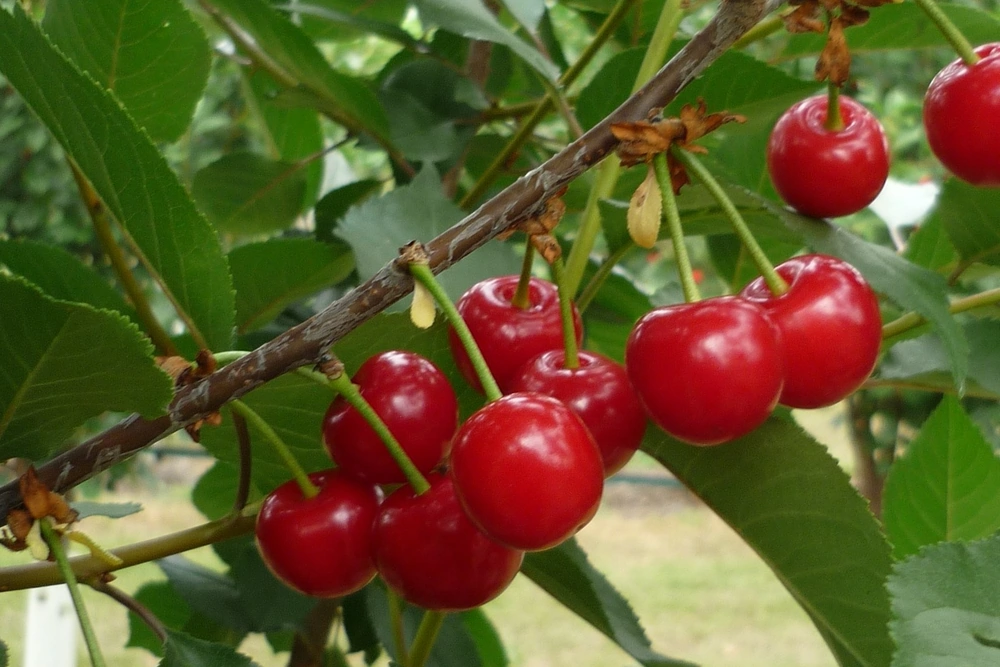
Few ingredients are better positioned to deliver on those expectations than U.S.-grown Montmorency tart cherries. Representing approximately 98% of tart cherries grown in the United States, Montmorency tart cherries have become synonymous with U.S. tart cherry production and offer a rare combination of traceable origin, strong consumer appeal and a substantial body of research.
The True Tart™ certification mark builds on that foundation by helping manufacturers, retailers and consumers identify products made with authentic U.S.-grown Montmorency tart cherries. By providing verification of ingredient sourcing, the mark brings greater transparency and confidence to the marketplace.
Montmorency advantages
But provenance is only part of the story. Beyond their traceable origin and recognizable identity, Montmorency tart cherries offer several advantages for product developers:
Distinctive flavor that works across categories
Montmorency tart cherries provide a balanced tart-sweet flavor profile that easily transitions from sweet to savory formulations. Their bright acidity can balance and enhance beverages, snack products, baked goods, sauces, glazes and dairy applications while helping add complex flavors to a range of finished products.
Naturally vibrant visual appeal
Color remains an important part of consumer perception, and tart cherries deliver a naturally bright red hue that can enhance visual appeal across applications. As clean-label considerations continue influencing formulation decisions, choosing an ingredient with naturally derived color can be advantageous.
Multiple formats for formulation flexibility
Montmorency tart cherries are available in a range of formats including dried, frozen, canned, juice and concentrate, allowing manufacturers to select the format that best aligns with texture, shelf-life, processing and application requirements across a wide variety of product categories.
Functional attributes backed by research As consumers increasingly seek foods with added wellness associations, ingredients with scientific support continue gaining attention. Montmorency tart cherries have been the subject of a growing body of research, particularly in areas such as exercise recovery and other wellness-focused applications.
This research helps position tart cherries as more than simply a flavorful or visually appealing ingredient.
A sourcing story consumers recognize
Ingredient origin plays an increasingly important role in purchasing decisions. U.S.-grown Montmorency tart cherries provide a traceable sourcing story tied to established growing regions, multigenerational grower expertise and a longstanding agricultural heritage.
Programs like the True Tart™ certification can further support transparency by helping consumers identify products made with authentic U.S.-grown Montmorency tart cherries at shelf.
A distinctive opportunity
U.S.-grown Montmorency tart cherries sit at the intersection of functionality, provenance and formulation flexibility. They offer a recognizable agricultural origin, a distinctive flavor profile, versatile application potential and a growing body of supporting research.
As ingredient transparency continues shaping the future of prepared foods, manufacturers are increasingly seeking ingredients that combine trusted sourcing with practical performance. For brands looking to deliver both a compelling ingredient story and formulation versatility, U.S.-grown Montmorency tart cherries offer a distinctive opportunity across categories.
Source: www.preparedfoods.com
Image source: Stefano Lugli
Cherry Times - All rights reserved