How Uzbek cherries play a key role in the Central Asian market

04 Jul 2024
2628

May and June mark the sales season for cherries imported from Central Asia in the Chinese market. This mainly includes cherries from Tajikistan starting from mid-May and from Uzbekistan and Kyrgyzstan starting from mid-June.

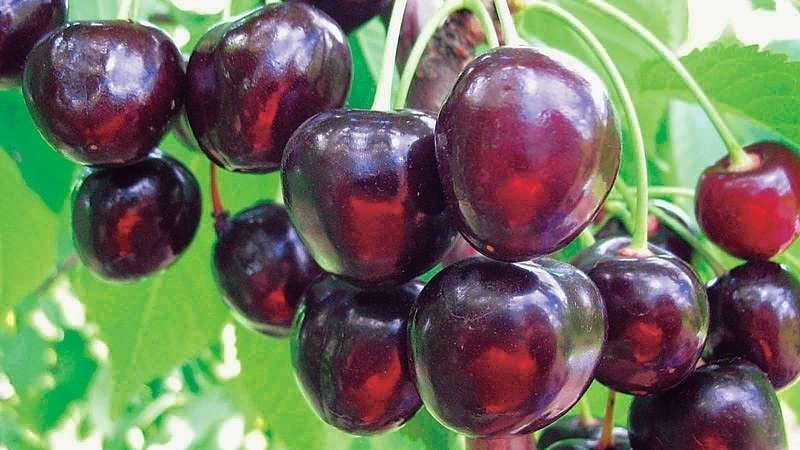
Zhu Jianfeng of Zhejiang Feishina E-Commerce Co. Ltd. is monitoring the market trends of Central Asian cherries: "Central Asian cherries have distinct characteristics. For instance, Uzbek cherries are naturally grown, have a high Brix level, and are priced lower compared to other imported cherries."

"This year's prices are similar to previous years and have slightly decreased. However, the rapid development of Chinese cherries has further impacted Central Asian cherries."

"When Central Asian cherries enter the market, they are available in large quantities alongside those from Shandong, Shaanxi, and other regions of China. Chinese cherries have good color and quality and do not incur cross-border tariffs or transportation costs."
"This year, the increase in national cherry production has caused price declines, and their relatively higher cost-effectiveness has further squeezed market share, impacting the performance of Central Asian cherries. Customers still inquire about Central Asian cherries, but most are inquiring and waiting. As a result, we have adapted our sales strategy to an order-based model."

Read the full article: Fresh Plaza
Image source: AKI Press


Cherry Times - All rights reserved

What to read next

China: Cherry output grows as imports set to hit 600K tons in 2025/26

Markets

05 Aug 2025

China’s cherry production is expected to hit 900K tons (+6%) in 2025/26, with record imports of 600K tons. Expanding acreage, new varieties and Chile’s dominance consolidate China’s status as the world’s leading and most influential cherry market for global trade.

Copper and soils: organic matter as an ally for soil health

Tech management

07 Jan 2025

A recent study conducted in cherry orchard soils in New Zealand analyzed in detail the effects of increasing copper concentrations (7-263 mg/kg) on three key biological indicators: earthworm behavior, soil respiration, and root growth.

In evidenza

Biological technology for controlling the fungi that cause wood rot in cherry trees

Crop protection

06 Aug 2026

Trunkguard, the biological inoculant developed by INIA, targets wood-decay fungi in cherry, apple, blueberry and European hazelnut while activating natural plant defenses. Greenhouse trials had promising results, particularly in cherry plants under controlled conditions.

Tasmanian cherry growers are adapting to climate change

Tech management

06 Aug 2026

A Tasmanian field trial is examining how rain covers affect orchard microclimate, light and cherry quality, helping growers manage hotter, drier summers, extreme rainfall and fruit cracking while protecting yields, premium production and the fruit’s commercial value now.

Tag Popolari