The cherry sector of Jerte and the picota of Jerte, which involve many families in the Jerte region of Cáceres, is facing serious problems due to the weather for two consecutive seasons. These issues have been exacerbated by problems with the current agricultural insurance coverage for this delicate crop.
The Regulatory Body of the Protected Designation of Origin Cherry of Jerte concluded a “very negative” season, with significant economic losses caused by heavy rains in April, May, and June, which ruined “large quantities of cherries and picota.”
The president of the Protected Designation of Origin Cherry of Jerte, José Antonio Tierno, lamented the loss of 40% of the season for cherries, which are harvested earlier, and 70% of picota, which matures later. This damage translates into economic losses exceeding 15 million euros.
“It is a tragedy for the families of the Jerte Valley because this is the second consecutive year that rains have destroyed a key part of the campaign. In the first year, the farmers could draw on their savings, but this bad season is another blow,” Tierno explained.
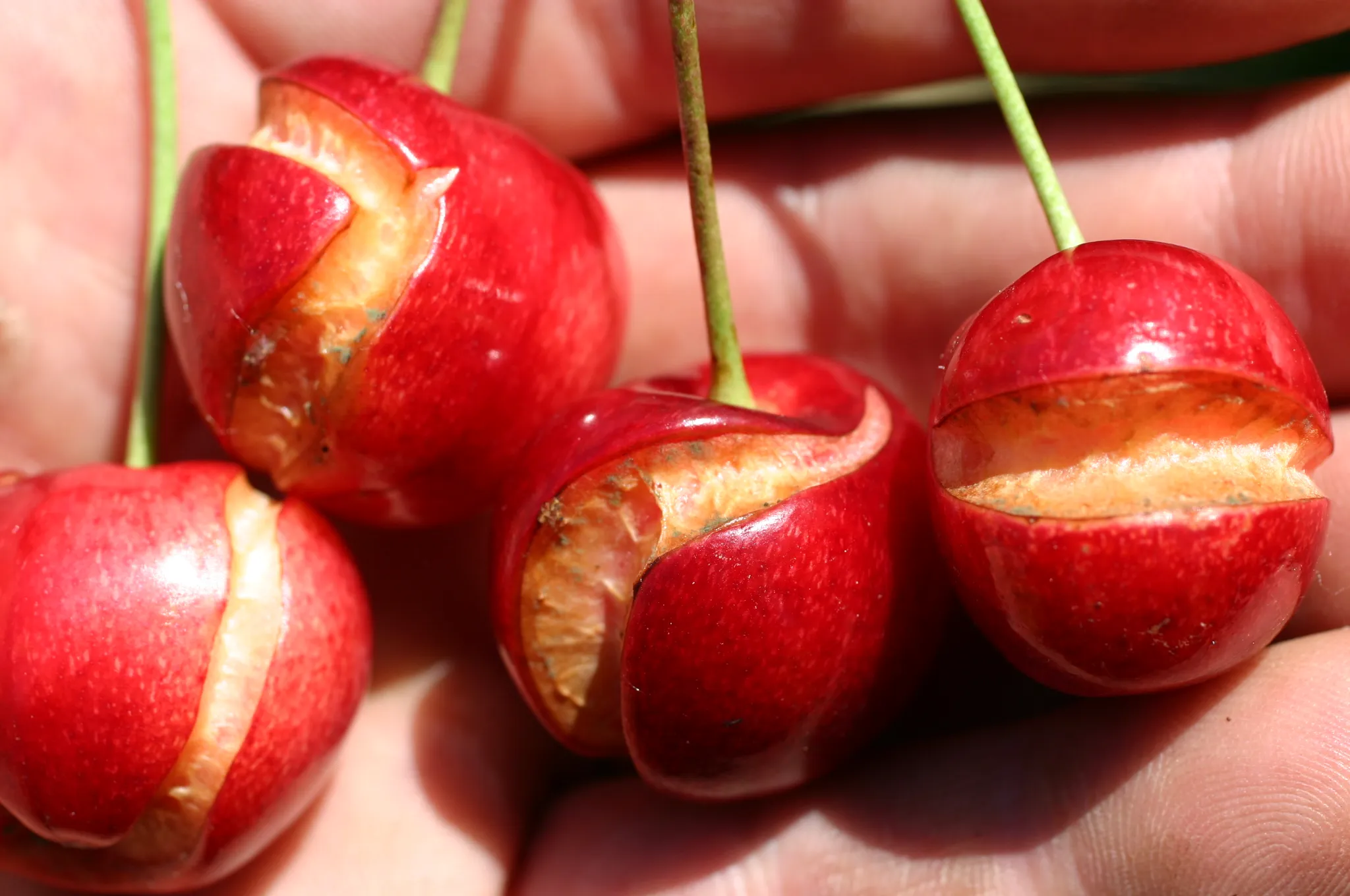
The Protected Designation of Origin Cereza del Jerte explained that “the campaign was severely compromised because the rains came during the harvest.” The DOP Cereza del Jerte concluded: “The rains fell weekly, consistently, during the months of April, May, and June, causing various varieties of cherries to rot and crack at the time of ripening.”
The European market continues to be a key market for cherries from the Jerte region. 50% of the 22,000 tons of cherries harvested this season were destined for the European market. The United Kingdom, Germany, the Netherlands, and Italy are the main exporting countries for Jerte cherries, explained the president of the DOP.
Insurance
The specific characteristics of Jerte cherries and the climatic variability during the critical months of ripening make agricultural insurance policies essential for growers. The producers’ sector and the Agrupación de Cooperativas del Valle del Jerte, which concentrates much of the production, are calling on Enesa and Agroseguro to revise the current insurance conditions.
“Currently, many farmers do not take out insurance policies because they believe they are inadequate and do not cover the damages,” says the president of the DOP Cherry of Jerte, who is also the president of the Cooperative Association of the Jerte Valley.
The UPA-UCE has also asked ENESA and Agroseguro, as well as the regional government of Extremadura, for a “radical” change in the current insurance policy for cherries in northern Cáceres. According to the organization, “with the changes made last year against the criteria of the sector, they worsened the contract conditions and increased the cost of insurance.”
"The consequence has been that contracts have remained stagnant, resulting in insured areas covering only 14% of the total this season. Furthermore, this will lead to a reduction in compensation for the insured due to worsening conditions,” said Ignacio Huertas, Secretary General of the association.
Source: Extremadura21
Images: SL Fruit Service
Cherry Times - All rights reserved