With the cherry season in full swing, Chinese ports have become the epicenter of an impressive flow of fresh cherry shipments. Quelen Fruit has been no exception, and its shipments have been met with excellent feedback from local consumers.
The freshness and appearance of the fruits are the characteristics that have allowed the holding company to position itself as one of the main competitors in this demanding market. Raúl Orellana, Quality and Post-Harvest Manager, comments on the various procedures implemented to ensure that the cherries arrive in perfect condition.
Consolidating Market Presence
The 2024-2025 cherry season in Chile promises to be historic, with an export forecast of 124 million boxes. This ambitious goal aims to consolidate Chile as one of the main suppliers of this prized fruit in Asia, especially in China, where demand increases significantly during the Christmas and Chinese New Year holidays.
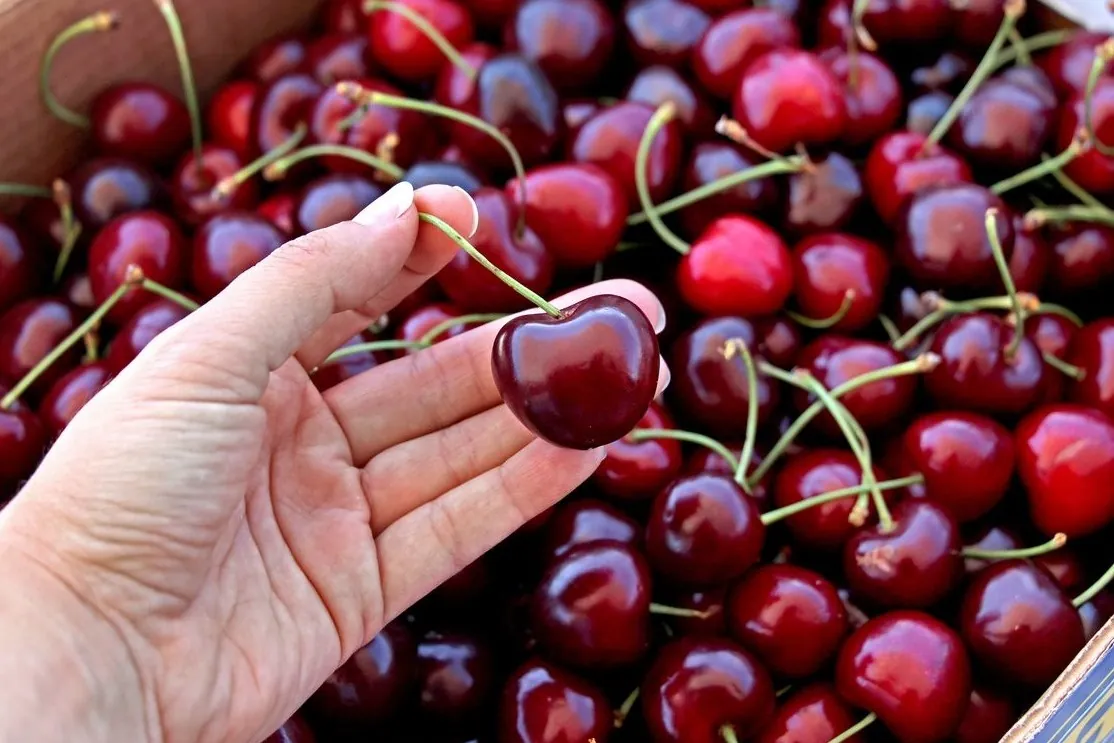
In the early weeks, several exporters are competing to position themselves as high-quality suppliers. To stand out in this market, Raúl Orellana emphasizes the importance of paying particular attention to three key aspects: firmness, brix level (sweetness), and the appearance of the cherry. This is the foundation for ensuring good positioning and the minimum required for export-quality fruit.
A Logistic Challenge: Ensuring Cherry Freshness During the Journey to China
One of the biggest logistical challenges for Quelen Fruit is ensuring the freshness of the cherries during the long journey from Chile to China, which, on average, takes 25 to 30 days by sea.
To achieve this goal, Raúl Orellana describes two key phases of the process:
- From harvest to processing plant: a strict cold chain has been implemented, using hydrocoolers and refrigerators to reduce the field temperature, hydrate the stem, and maximize the fruit's shelf life.
- From processing to export: cherries are packed in modified atmosphere bags, regulating oxygen and carbon dioxide levels. Oxygen is reduced by 10-12%, while CO2 is increased by 6-8%. This process slows down the fruit's respiratory rate, ensuring it arrives fresh and firm at its destination.
Raúl Orellana highlights that “firmness and the green color of the stem are key attributes for Chinese consumers,” as a brown stem is perceived as a sign of loss of freshness.
A Promising Future
Thanks to the implementation of advanced technologies, rigorous procedures, and a committed team, the first shipments of Santina cherries from Quelen Fruit have been successfully received in Shanghai, where they have been noted for their sweetness, firmness, and presentation.
This year, the company has set the ambitious goal of processing 15 million kilos of cherries, and current results indicate that this goal is close to being achieved.
This first step is extremely encouraging for the holding company, which in recent years has worked hard to strategically position itself as a high-quality supplier in the Chinese market.
Source: Quelen Fruit
Image: Quelen Fruit
Cherry Times - All Rights Reserved